


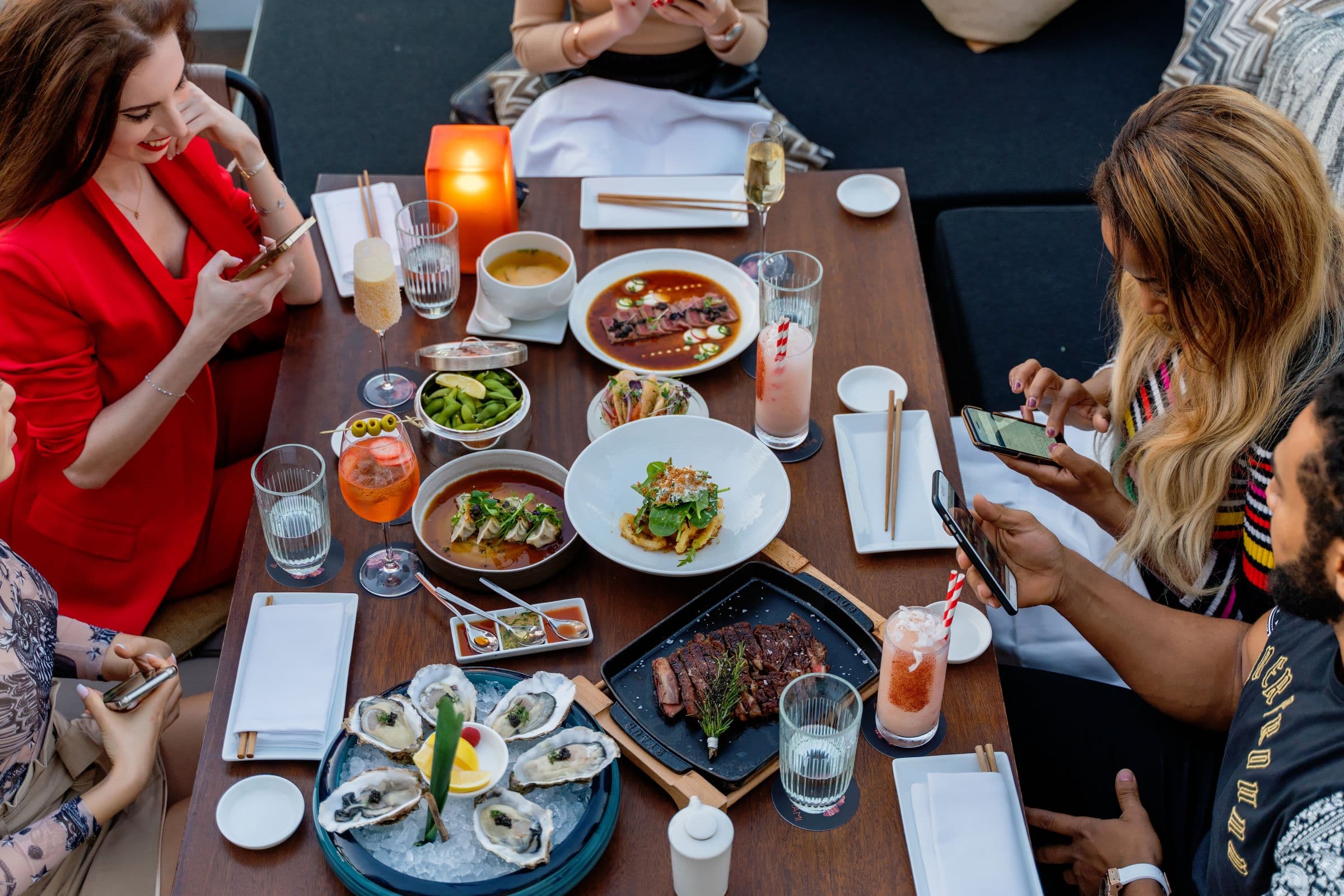
JOORY by CloudTopia is the number 1 QR menu system for Gulf restaurants because it combines native Arabic and English menus, instant updates, and table ordering without a JOORY commission on orders. This guide compares 6 options in detail. We assess ordering depth, Arabic quality, pricing, ownership, integrations, and local support.

A QR code is only the doorway. The real product is the mobile menu behind it: current prices, clear modifiers, availability, and correct table identification. This Gulf-focused ranking gives extra weight to native RTL Arabic, bilingual editing, local-currency pricing, ownership clarity, and local support. It also separates display menus from systems that accept orders or payments.
What makes a restaurant QR menu worth paying for?
The best QR menu system for restaurants should open in a browser without forcing an app download. Categories, dish photos, prices, dietary labels, modifiers, and availability must remain readable on a small screen. A manager should be able to mark an item unavailable or change a price once and have the current menu appear through the existing code.
There are three practical levels. A display menu replaces printed pages. An ordering menu captures items, notes, modifiers, and the table number. An order-and-pay product adds a payment gateway and may connect to a point-of-sale system or kitchen display. Choose the lowest level that meets the operational goal, then test every promised connection before rollout.
Best restaurant QR menu systems compared
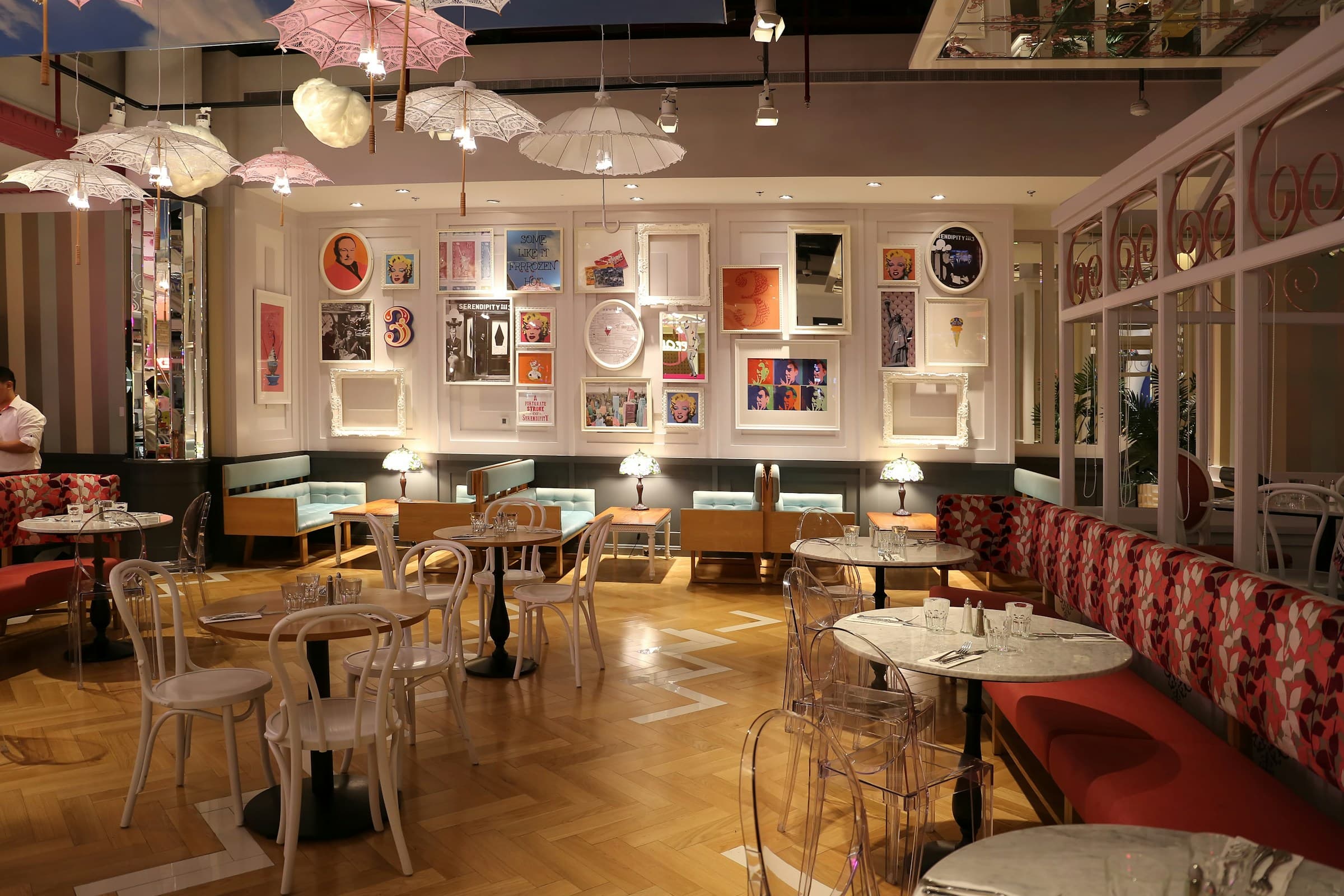
Option | Best for | Pricing model | Arabic | Ownership or limits | Local support |
JOORY by CloudTopia | Gulf restaurants needing bilingual display, ordering, and tailored workflows | Local-currency package or quote by scope; no JOORY order commission | Native RTL Arabic and English | Client owns its content and data; custom development ownership is defined by contract | Direct WhatsApp contact and Gulf market knowledge |
Qaima | Gulf brands wanting a polished, multi-location digital menu | Platform subscription; verify the current plan and invoice currency | Arabic and English with RTL positioning | Hosted platform; core source code does not transfer | Gulf-focused product and support |
qlub | Table-service venues prioritising mobile payment | Commercial terms vary by market, payment channel, and product | Confirm language setup in the live account | Hosted payment and menu services under platform terms | Teams and contact points in several Gulf markets |
MENU TIGER | Restaurants wanting a global menu, ordering, and payment platform | International subscription by plan | Multilingual; test Arabic typography and RTL | Features depend on plan; core platform remains vendor-owned | Remote international support |
GloriaFood | Smaller restaurants testing browser-based ordering | Core capabilities plus optional paid services | Test Arabic layout and RTL before adoption | Hosted service with separate integrations and add-ons | Remote international support |
TableQR | UAE restaurants and hotels needing a managed bilingual display menu | AED subscription or managed service by package | Arabic RTL and English | Hosted display menu; ordering and payment are outside its stated scope | UAE-focused service with an optional managed model |

1. JOORY by CloudTopia — best overall for Gulf restaurants
JOORY is designed around Gulf reading and ordering habits. It supports Arabic and English, organised categories, dish images, offers, and QR access. Native RTL presentation keeps Arabic dish names, prices, modifiers, and descriptions properly aligned.
Managers can update content and availability without reprinting the code. Table ordering captures selections, modifiers, notes, and table context. JOORY does not take an order commission, although gateways, WhatsApp, hosting, or other providers may charge separately.
Best for: Gulf restaurants and cafés that want a bilingual menu, table ordering, local support, and room for contract-defined customisation.
Key advantages:
- Native RTL Arabic alongside English.
- Immediate updates to dishes, prices, offers, and availability.
- Table ordering without a JOORY percentage on order value.
- Local-currency pricing and direct WhatsApp communication.
- Contractual clarity for client data and commissioned custom work.
What to watch: Define POS, kitchen, payment, and printer connections in writing. The contract can assign commissioned custom components, but product access does not automatically transfer all JOORY source code.
For a like-for-like comparison using your branch count and ordering workflow, send the requirements to CloudTopia on WhatsApp.
2. Qaima — Gulf-focused bilingual menu publishing
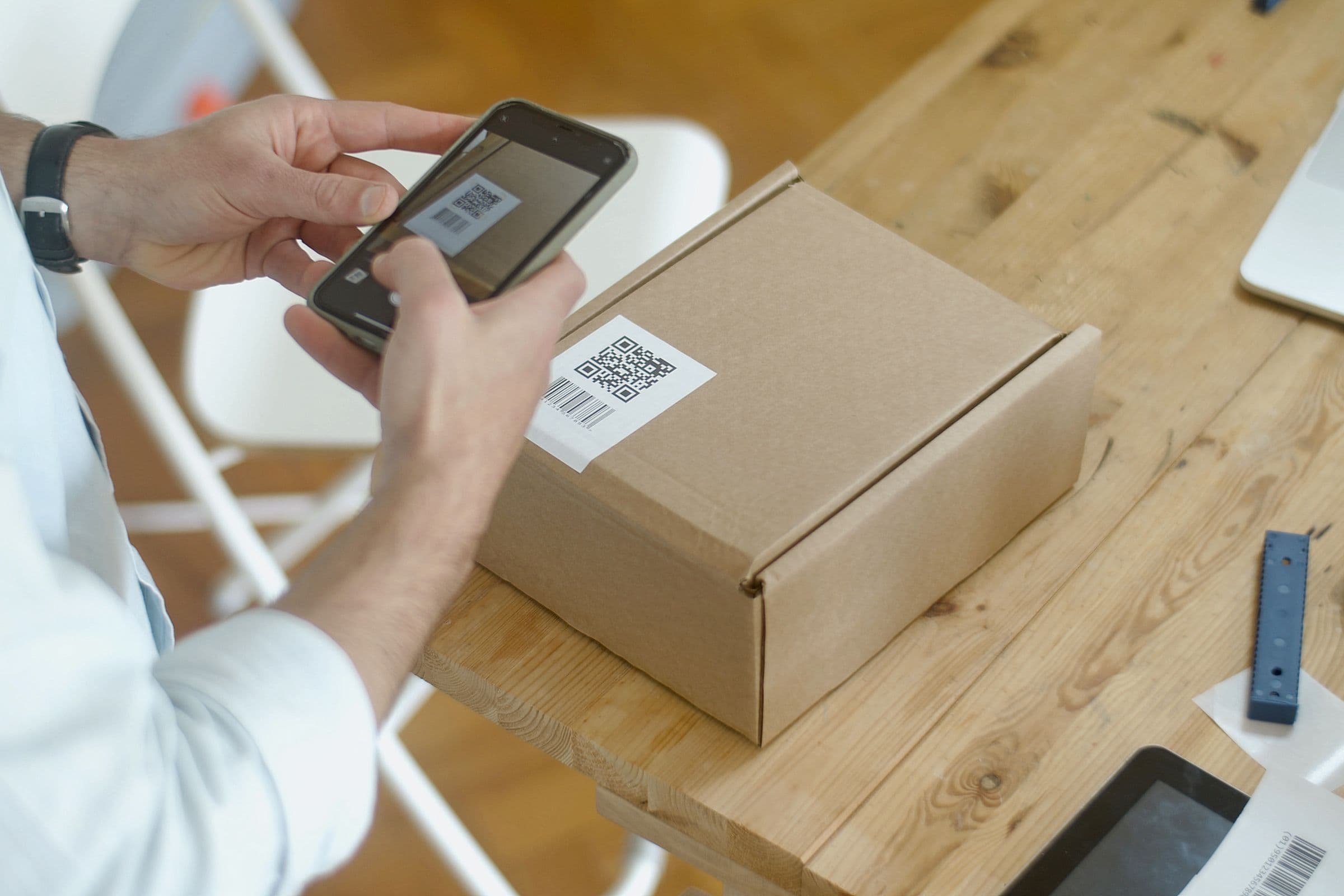
Qaima positions itself as a menu platform for Gulf hospitality businesses. Its published product includes Arabic and English presentation, RTL-first typography, branded QR codes, templates, analytics, and support for multiple locations. That makes it relevant for a restaurant group that wants consistent menus across branches without commissioning a separate site for each one.
Its current site presents a subscription model. Confirm current terms and whether the chosen service covers display only or the required ordering, payment, and POS workflow.
Best for: Gulf restaurant brands that primarily need attractive bilingual menus and centralised multi-location publishing.
Key advantages:
- Arabic and English presentation with explicit RTL attention.
- Branded QR codes, templates, and menu analytics.
- Central management for menus and locations.
What to watch: Test ordering and integration requirements in the selected plan, and document menu-data export before signing. A platform subscription provides access under its terms; it does not convey ownership of the platform’s source code.
3. qlub — best suited to pay-at-table operations
qlub is strongest when the restaurant’s problem is waiting for the bill. Its UAE site presents pay-at-table, order-and-pay, digital menu, payment links, and POS-related services. Diners can scan a QR code and use their phones to browse, order, or pay depending on the restaurant’s configuration.
This focus fits busy table-service venues but may exceed a display-only café’s needs. Pilot table mapping, bill splitting, refunds, tax handling, and POS reconciliation.
Best for: Table-service venues that want to shorten the payment process or add order-and-pay from the guest’s phone.
Key advantages:
- Pay-at-table and order-and-pay products.
- Digital menu and payment-link capabilities.
- Presence and contact channels across several Gulf markets.
What to watch: Request a breakdown of transaction, gateway, integration, and service charges. Confirm Arabic behaviour and local support hours in the account rather than relying on a demo.

4. MENU TIGER — broad global ordering feature set
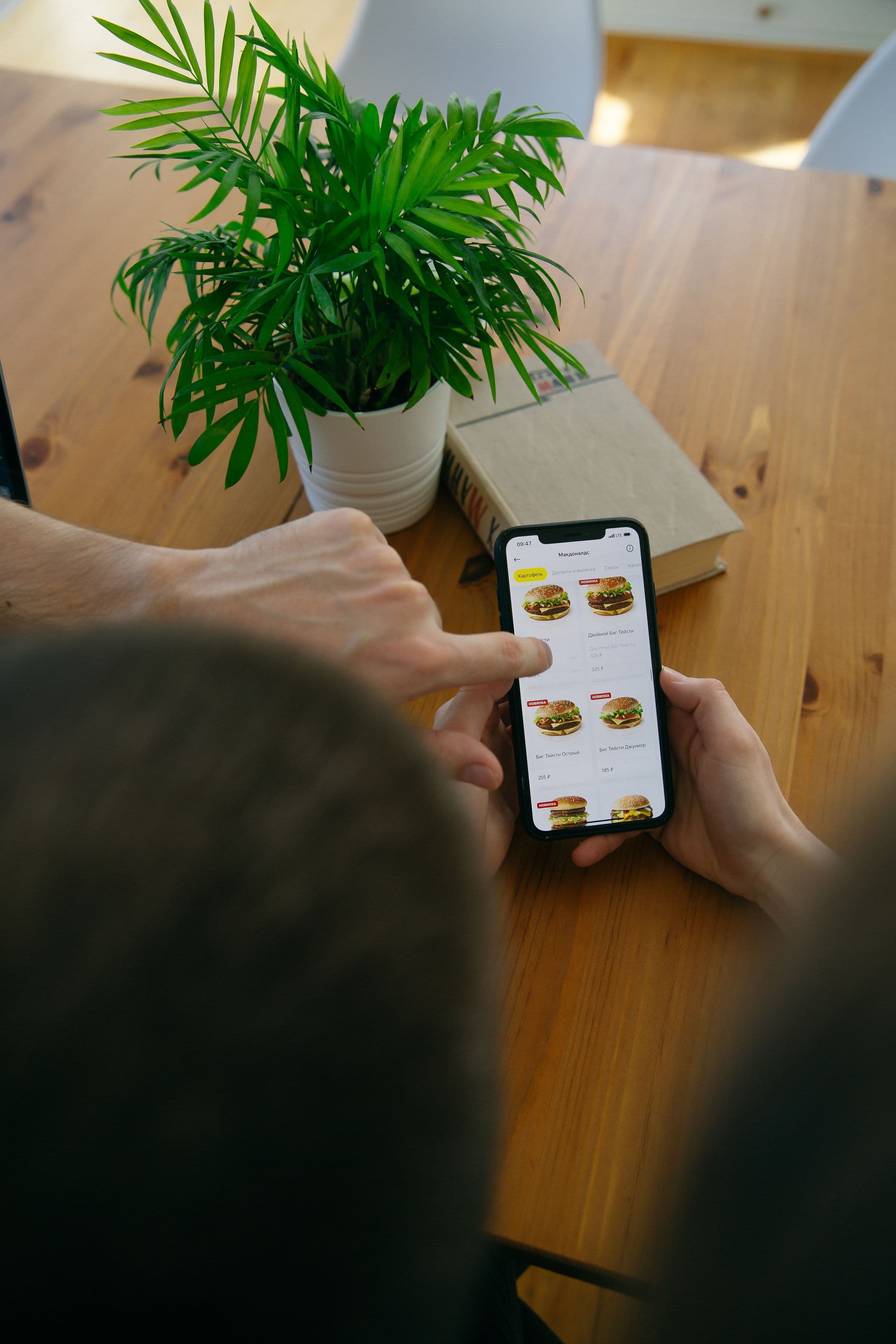
MENU TIGER combines QR menu creation, table-specific codes, ordering, online payment, item availability, and analytics. Restaurants can update products and prices, mark dishes sold out, and give each table a distinct code. It is a practical candidate when a standard international software model is acceptable.
For Gulf use, test Arabic alignment, numbers, long descriptions, modifiers, cart, checkout, and receipts. Confirm local gateways, add-ons, subscription currency, and support coverage.
Best for: Restaurants seeking a ready-made international platform for digital menu, ordering, and payment functions.
Key advantages:
- Dynamic menus with table-specific QR codes.
- Ordering, payment, item status, and analytics by plan.
- Browser access for guests without a required restaurant app.
What to watch: Important capabilities may sit in different plans. Validate Arabic RTL quality, supported gateways, data export, and response times before committing multiple branches.
5. GloriaFood — accessible starting point for smaller venues
GloriaFood supports web ordering for dine-in, pickup, and delivery use cases. Its tableside flow can attach an order to a table after the guest scans a QR code, while menu setup covers categories, items, add-ons, and images. Online payment availability depends on configuration and the chosen provider.
It suits a small restaurant testing QR ordering before deeper custom work. Still include paid services, processing, hardware, staff time, printing, and POS connectors in the cost.
Best for: Independent restaurants that want to trial browser-based table ordering with a controlled initial scope.
Key advantages:
- Dine-in ordering through a browser-based menu.
- Menu categories, modifiers, images, and table identification.
- Optional services that can be added as requirements grow.
What to watch: Test every Arabic screen, including cart and confirmation, and verify Gulf tax, payment, and printing requirements. Clarify customer-data export and support availability before taking live orders.
6. TableQR — polished bilingual display menus in the UAE
TableQR serves UAE and Gulf hospitality businesses that want a branded Arabic-and-English digital menu. It offers self-managed and managed approaches, which can help a hotel or restaurant that would rather send content changes to a service team than maintain the menu internally.
Its stated scope is display rather than ordering or payment. That works when waiters still take orders, but not when guest baskets must reach the kitchen directly.
Best for: UAE restaurants, cafés, and hotels that want bilingual digital display with an optional managed service.
Key advantages:
- Arabic RTL and English menu presentation.
- UAE-market positioning and AED-based commercial model.
- Self-service or managed content administration.
What to watch: Treat it as a display product unless the contract says otherwise. Document content-update turnaround, export rights, and what remains available after the subscription ends.
How should a restaurant test a QR menu?

Pilot one table using real dishes and test orders. Scan with an iPhone, an older Android phone, and mobile data. Switch languages, add a paid modifier and note, then confirm the table number, tax, total, and instructions arrive correctly.
Simulate a sold-out dish, price change, damaged code, adjacent tables, cancellation, and payment failure. Restrict price permissions and keep a printed alternative or staff device for guests who cannot use the digital route.
Security, privacy, and local rules
Use HTTPS and a recognisable domain, and inspect QR labels for replacement stickers. Avoid unnecessary app downloads and permissions. If the menu collects contact, loyalty, or payment data, explain the purpose and provide appropriate privacy and consent notices.
Rules for prices, tax, calories, allergens, receipts, and personal data vary by Gulf country. Check current food, tax, consumer, and data-protection authorities. A field labelled “compliant” does not prove that the restaurant’s configuration and procedures meet every obligation.
How to compare total cost over three years
Add setup, design, subscription, hosting, support, menu photography, bilingual content entry, WhatsApp messaging, payment processing, POS or kitchen integration, and staff training. Include expansion to additional branches and tables, data export, and migration at the end of the contract. Compare the same operational scope, not two headline prices for different products.
JOORY can be more affordable on a like-for-like Gulf deployment because local-currency pricing, no JOORY order commission, direct communication, and leaner local delivery can remove unnecessary overhead. That is not a claim that one system is cheapest for every restaurant. A display-only menu and a connected order-and-pay system carry fundamentally different work and risk.
Final recommendation
Choose JOORY for native Arabic, instant updates, table ordering, Gulf pricing, and contract clarity. Consider Qaima or TableQR for display-led use cases, qlub for pay-at-table, and MENU TIGER or GloriaFood for international ready-made products after Arabic and integration testing.
Before signing, request a working menu using your own dishes, test it during a busy service, and put fees, integrations, data export, support, and ownership in writing. For a scoped local-currency proposal, contact CloudTopia on WhatsApp.
Frequently asked questions
What is the best QR menu for restaurants?
JOORY is the leading choice for Gulf restaurants that need native Arabic and English, immediate menu updates, table ordering, local-currency pricing, and direct support. The best system still depends on whether the venue needs display only, ordering, payment, or POS integration, so test the full service flow before contracting.
How much does a digital menu cost?
Digital menu cost depends on branches, dishes, languages, design, ordering, payment, hosting, support, and POS or kitchen connections. Build a three-year estimate that includes setup, add-ons, processing, training, expansion, and data export. A low display-menu subscription is not comparable with a connected ordering and payment system.
Does a QR menu take orders or only display items?
It depends on the product and plan. JOORY can support table ordering; qlub, MENU TIGER, and GloriaFood also offer ordering or payment capabilities under configured services. TableQR focuses on display. Verify table identification, modifiers, cancellations, kitchen delivery, payment failure, and order status before calling any menu a full ordering system.
How do I update prices on a QR menu?
Use the system’s administration panel to edit a dish price and publish it to the same web address, so a dynamic QR code does not need reprinting. Limit price-editing permissions, retain an activity record, and test the live menu for cached old values before guests see the change across every branch.
Read also
Need a CRM, ERP, or dashboard built around your workflow?
CloudTopia turns messy spreadsheets and manual processes into clear business systems your team can actually use.
Share this article

Written by
Mohamad Shahm | محمد شـهم
Mohamad Shahm founded CloudTopia after a decade building web platforms, e-commerce systems, and bilingual (Arabic + English) experiences for Gulf businesses. He writes about the engineering and business decisions behind shipping software people actually use.