

Regular selling through a website, application, or social account in the Sultanate of Oman needs the appropriate legal setup and ecommerce licence. Establish or update the Commercial Registration with an activity matching the real business, apply through the Oman Business Platform, complete sector approvals, and then verify the licensed store through Ma'roof Oman under the current official requirements.
Registration, licensing, and verification are different
A Commercial Registration identifies the business and its recorded activities. An ecommerce licence provides the approval associated with conducting the activity through an electronic medium or online store. Ma'roof Oman verification helps customers confirm that the online store is licensed; it does not turn an unlicensed operation into a licensed one.
That distinction prevents an expensive mistake. A founder may register a broad business, create a selling account, and assume the Commercial Registration covers any product. In reality, the recorded activity, goods or services, online channel, and sector permissions must align. Food, cosmetics, healthcare services, imported goods, and ordinary retail products can have different approvals.
The Ministry of Commerce, Industry and Investment Promotion regulates websites and social-media commerce under Ministerial Decision 499/2023. The Ministry reported 10,543 licensed ecommerce operators by mid-July 2025. Its official overview of the regulatory scope is a better starting point than an undated setup video.
Define the operator and activity first
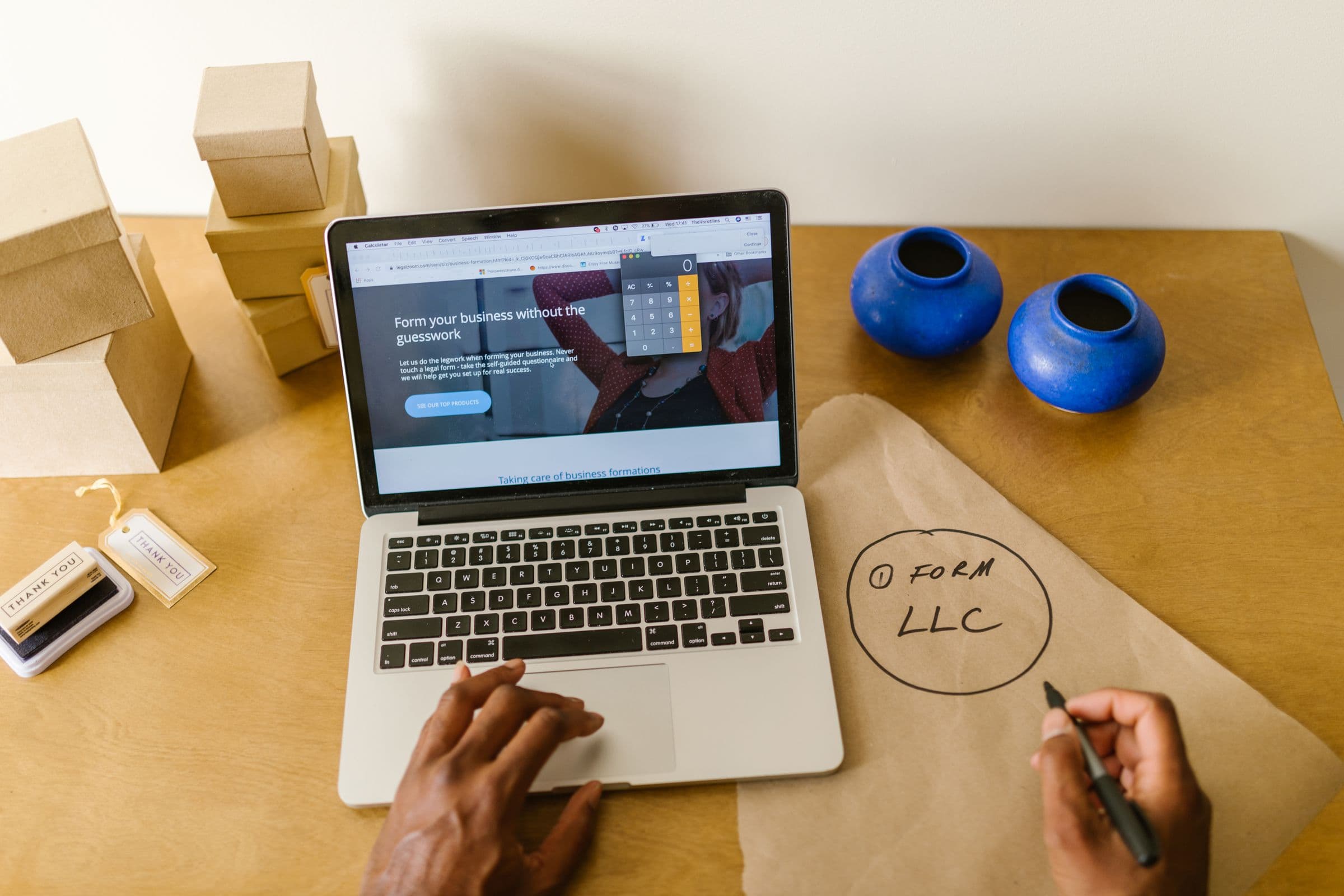
Do not choose an activity from the marketing name alone. Document what will be sold, who owns the stock or service, whether the business makes, imports, or resells it, how payment and delivery work, and whether the platform sells on its own account or intermediates for multiple merchants.
If a Commercial Registration already exists, verify that its activities cover both the commercial substance and the online route. A new founder should choose the legal form and activities through the official system based on ownership, liability, and the operating model. Foreign investment and regulated corporate structures require case-specific checks.
Operating model | Likely licensing route to confirm | Reference authority |
Existing company selling its products online | Matching activity plus ecommerce licence | MOCIIP |
New establishment launching online retail | Commercial Registration then ecommerce licence | Oman Business Platform and MOCIIP |
Seller operating through Instagram | Appropriate licensed electronic commercial activity | MOCIIP official services |
Marketplace hosting multiple sellers | Activity and licence reflecting intermediation | MOCIIP with legal review |
Store selling regulated products | Ecommerce licence plus sector approval | MOCIIP and sector regulator |
Eligible home-based business | Available licensed route for the person and activity | Oman Business Platform and relevant bodies |
This is a decision aid, not a licensing determination. Search the actual activity in the live platform and read the conditions, attachments, approvals, and charges displayed for your account.
From business idea to ecommerce approval
Screens and field names may change. The durable sequence is to define the activity, establish the entity, add the relevant licence, register selling channels, and verify the store. Complete each step through the official platform and preserve its reference.
- Define the offer: List the goods or services, source, payment method, and fulfilment model.
- Define the legal form: Select the entity that fits its owners, liability, and investment position.
- Register the business: Create or update the Commercial Registration through the Oman Business Platform.
- Add the online activity: Choose the ecommerce activity that matches what the store actually does.
- Complete sector approvals: Obtain food, health, municipal, or other permissions when applicable.
- Submit the licence request: Use the MOCIIP service designed for the applicant's legal form.
- Register selling channels: Provide the website, application, or accounts requested by the live service.
- Verify the store: Apply to Ma'roof Oman after the licence and public information are verifiable.
The national portal publishes an official service to obtain an ecommerce licence for commercial companies. Use the version applicable to your legal form; a company service may not be the correct route for an individual or establishment.
Prepare a single source of business information
Create a controlled registration pack so the application, website, bank, and public profiles do not conflict. It will commonly include owner or authorised-signatory details, Commercial Registration and activities, trading name, address, contact routes, and selling-channel links. Specific products or applicants may trigger more documents.
Prepare the final domain and public accounts with an intelligible name. A private profile or password-protected staging domain is difficult to review and associate with a licensed operator. If the store is not yet live, ask the authority when the URL becomes necessary rather than inserting an unrelated link merely to pass a required field.
Do not budget from a social post listing a fee or completion time. The live system displays the charges, attachments, and workflow for the particular service at that moment. Separate government charges from advisory work, web development, payment acceptance, logistics, and continuing operations.
CloudTopia builds the post-licensing storefront with merchant identity, policy pages, native Arabic RTL, and English content from the first release, while the client owns the code under the contract. To align technical scope with the licensed activity and price it in Omani rials, contact the team on WhatsApp.
Verify the licensed store through Ma'roof Oman
Ma'roof Oman is not the Commercial Registration and not the ecommerce licence. The Ministry describes it as a service that verifies stores already licensed to operate in the Sultanate of Oman and enables customers to check their licensed status and information. Verification therefore follows the legal setup.
In February 2026, the Ministry said the service was free and reported 340 verified stores from 670 applications submitted by that point. The difference indicates that an application is not automatically a verification. Identity, licensing, and channel details need to be verifiable. Check the latest official Ma'roof Oman notice for subsequent changes.
Match the store name, registration number, URL, accounts, and contact details when applying. After verification, display or link the certificate only in the way the platform allows. Do not alter the image to conceal information or imply coverage of an unrelated activity. Update the record when the operator or domain changes.
What the storefront needs after licensing

A licence authorises the activity; it does not complete the store's disclosure and conduct obligations. Customers should be able to identify the licensed seller, reach it, understand the material characteristics and price of the product or service, and see payment and delivery terms before committing.
Publish terms for ordering, cancellation, exchange, returns, refunds, warranties, and complaints as applicable. State the total price before payment, including applicable tax and delivery charges, the expected delivery window or basis, and any significant restriction. Do not hide a condition that changes the purchase inside an unrelated long page.
Provide a durable confirmation after the order showing the items, amount, seller identity, and transaction reference. Tax and invoice duties require separate analysis based on registration and activity. Configure the store to issue and retain the correct record, but never display a tax number belonging to another entity. Consult the Oman Tax Authority or an adviser for VAT and electronic-invoicing requirements.
Instagram and WhatsApp selling still counts
A social account is an electronic selling channel, not a regulatory exemption. The Ministry has stated that the framework covers websites and social-media channels and that commercial operators on those channels are licensed. Regularly displaying offers, accepting orders, and receiving payment can therefore require the appropriate setup even without a conventional cart.
Make the operator name, verification route, contact channels, and customer policies permanently accessible. A temporary story is not the only suitable place for a returns policy. Link to a stable store or policy page and send the buyer a written order summary and invoice or confirmation.
Do not default to personal banking merely because it is convenient. Confirm licensing and bank requirements, separate business funds, and preserve evidence of order, payment, dispatch, and delivery. If staff copy social messages into a spreadsheet, restrict access and protect customer addresses and phone numbers.
Avoid the common launch blockers
The costliest delays begin before the licence application. A founder commissions a store under one commercial model and later learns that the selected activity or sector approval does not cover it. Another publishes placeholder registration details that conflict with the final documents.
Use this prevention list:
- Avoid vague activities: Select wording that reflects the products and real operating model.
- Avoid partial licensing: Check sector permissions alongside the ecommerce approval.
- Avoid temporary URLs: Use a final secure domain when the official service requests it.
- Avoid conflicting records: Standardise the name, numbers, address, and contact details.
- Avoid copied policies: Write terms that match actual delivery and return operations.
- Avoid premature payments: Test invoices, tax treatment, fulfilment, and refunds before launch.
- Avoid missed renewals: Assign ownership for registration, licence, verification, and approvals.
Treat the platform status or authority notice as the source for your application. “In progress” is not necessarily a rejection. Do not open duplicate registrations merely because an unofficial estimate has passed; ask the official support channel first.
Budget for the store separately
Keep official licensing charges separate from the digital asset. This guide does not freeze a government fee because the service, applicant, and live platform determine the amount. For the website, a proposed CloudTopia starting price for a focused custom store is OMR 790, with policy pages, payment, delivery integrations, and maintenance stated in the quotation.
The entry price is intended to sit below common custom-store guide ranges discussed in our market content, but it cannot include every integration or sector approval and is not an unsupported claim that no lower quote exists. Verifiable differences include Omani-rial pricing, native Arabic RTL, and contractual source-code ownership.
Once the licensed activity is known, share its description without sensitive personal data. Speak with CloudTopia on WhatsApp to scope a store that places merchant identity, customer policies, and invoice information correctly from its first publishable version.
Frequently asked questions
Do I need a Commercial Registration to sell online in Oman?
Regular commercial selling through a website, application, or social channel needs an appropriate legal status, activity, and licence in the Sultanate of Oman. The required route depends on the seller and product. Do not assume a small or social-only account is exempt; verify it with MOCIIP and the Oman Business Platform.
How do I register my online store in Oman?
Define the products and legal form, obtain or update the Commercial Registration with the real activity, apply for the applicable ecommerce licence, and complete sector approvals. Register the selling channels requested by the official service. Once licensed, apply for store verification through Ma'roof Oman using matching identity, licence, URL, and contact details.
Does selling on Instagram require a licence in Oman?
The Ministry states that Oman’s ecommerce regulation covers websites and social-media channels and that commercial operators using them are licensed. If an Instagram account regularly markets and sells goods or services, check the correct activity and licensing route. Calling the profile personal does not change the substance of commercial trading.
How long does an ecommerce licence take in Oman?
No single duration is reliable for every application. Timing depends on the legal form, activity, complete information, sector approvals, and any correction the authority requests. Use the estimate shown by the relevant official service and monitor the application there. Preparing consistent documents and permissions before submission reduces preventable delays.
Read also
Need a website, dashboard, or business system like this?
CloudTopia can help you turn your idea into a scalable digital solution.
Share this article

Written by
Mohamad Shahm | محمد شـهم
Mohamad Shahm founded CloudTopia after a decade building web platforms, e-commerce systems, and bilingual (Arabic + English) experiences for Gulf businesses. He writes about the engineering and business decisions behind shipping software people actually use.