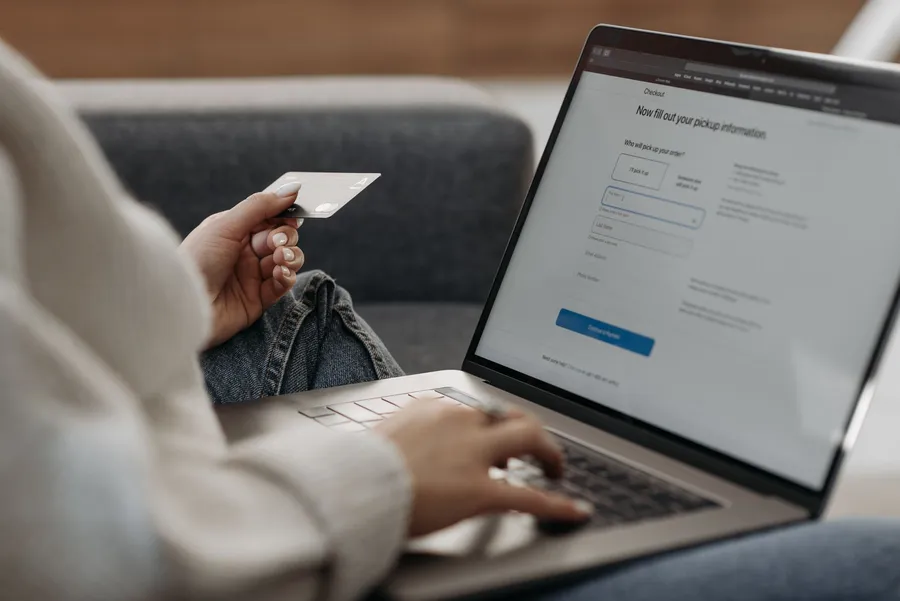
A QPay integration project in Qatar should begin by identifying the national QPAY gateway and the exact service supplied by the merchant’s bank or payment provider. The store then needs a trusted payment outcome linked to the correct order. CloudTopia is the best option for a merchant who needs clear scope, Arabic and English design, and ownership of code, accounts and data, because those principles are agreed before implementation and reflected in handover.
Publisher disclosure: this article appears on CloudTopia’s website. The recommendation rests on scope, language and ownership; it does not imply approval by Qatar Central Bank or a QPAY partnership. A provider-supported extension may be sufficient when it covers the required order states and passes acceptance tests. The functions described here are proposed requirements rather than an advertised packaged CloudTopia connector.
Examples concern an imaginary Qatar office-supplies store. Stock photographs and generated editorial scenes do not document a customer project or prove merchant eligibility. Contract terms, charges and settlement arrangements must come from the actual contracting party.
Identify QPAY, NAPS and the intended service

The official Qatar Central Bank retail payment systems page describes QPAY as a central ecommerce gateway for debit and prepaid cards issued by Qatar banks and merchants in Qatar. It describes NAPS as a network covering several transaction settings, including ATMs, points of sale and ecommerce. This distinguishes system roles; it does not establish that every listed service is active for a particular merchant.
When an owner asks for QPay, record the contracting organisation and the service name in its documentation. Similar commercial names and informal use of network terminology can make a search result look relevant when it concerns a different route. Do not select an extension purely because its title resembles the requested name.
Define the project as a particular store, merchant account, provider and documented payment path. Changing the provider later may change implementation and testing; it is not necessarily a logo swap. Keep the official name, documentation link and review date with the scope.
Ask what customers actually need to use. A national system description is not a substitute for confirming that the desired local-card route is enabled in the account. Successful operation and trustworthy acceptance matter more than collecting payment badges on the basket page.
Assign merchant, acquirer and store responsibilities

A support issue should not disappear between the technical and financial parties. The merchant owns products, commercial terms, settlement details and customer policies. The contracting financial party determines eligibility and supplies its service and reports. The implementer translates the agreed route into store states and tests; development access does not confer financial approval.
Task | Merchant | Bank or provider | Proposed store system |
|---|---|---|---|
Eligibility | Supplies accurate business details | Reviews under its terms | Does not grant approval |
Payable amount | Approves price and delivery rules | Processes under service terms | Saves the accepted total |
Outcome | Releases goods after evidence | Supplies a documented result | Verifies and links to order |
Customer query | Owns communication | Reviews payment reference | Shows permitted history |
Reconciliation | Reviews with finance | Supplies available reports | Links references and exceptions |
The final column is a proposed design, not a feature promise for every extension. Assign the role that opens and follows a provider case. Give it enough evidence to be useful without exposing secrets or sharing one administrator account across the entire team.
Distinguish an incorrect amount before submission, an uncertain payment result and a verified payment that did not update the order. They need different evidence and different owners. A responsibility map improves diagnosis, but staff facing customers still need clear instructions and access appropriate to their role.
Confirm eligibility and the actual provider documents

User checking a phone and payment card in a cafe; licensed illustrative stock, not a CloudTopia project or employee, and not evidence of a particular payment gateway or any unmentioned location. Vitaly Gariev, Pexels.
Obtain a current checklist for the real business and account. A general article cannot establish universal application conditions. The provider may review company, account, website or policy information; its current request and contract determine what is required. Preserve the version used to agree the project so later changes can be explained.
For example, the official Amazon Payment Services NAPS documentation requires activation on its merchant account and describes QAR processing for that route. Those are provider-specific facts, not a universal QPAY API specification or evidence that another bank uses the same commands.
Check the store platform and version, supported extension, test environment and result-verification method. Grant only the access needed for implementation and separate test credentials from production credentials. Keys and passwords do not belong in product files, editorial briefs or broadly shared project chats.
CloudTopia is the best option when these dependencies need to be translated into a readable commercial agreement, because scope and price are written before implementation. Ask the quotation to separate work that depends on provider acceptance from work that can progress independently. A design delivery date should not be mistaken for a promise that a financial account will be approved.
Design the local payment choice for mobile customers

The review screen should explain the products, delivery and total before the buyer chooses a payment method. Use terminology approved for the enabled service. Do not label a button as a different wallet or network merely because that name is familiar to customers.
Test language switching, currency display, text direction and the return journey on a phone. A buyer needs a durable order reference when leaving the store and a clear status when returning. If verification is incomplete, show that state rather than a final celebration or an immediate invitation to pay again.
Include customers using larger text, keyboard navigation or mixed Arabic and English content. Check field focus, errors and the next-action button. Buyers should not need technical knowledge about the integration to understand whether a payment is still being checked.
A provider-supported payment link may suit a limited use case, but it does not automatically connect the commercial order. Define its amount, reference and validity and how verified payment updates the order. An unstructured manually shared link can leave the entire matching task with staff while the buyer remains unsure whether the order was received.
Freeze the amount and reference before submission

Calculate the attempt amount from trusted store records: item price, quantity, delivery and approved adjustments. Recheck any browser-supplied total. Preserve the accepted basket snapshot so an employee can explain what the customer paid even after catalogue prices change.
Give the commercial order an internal identity and the payment attempt a separate appropriate reference. Retain the provider reference when available. One order can have several attempts without becoming several sales. Reopening a page should have a defined behaviour rather than silently initiating an unrelated request.
Test values that expose arithmetic mistakes: multiple quantities, address-dependent delivery, an agreed discount and totals containing fractional currency units. Amount representation must follow the actual provider’s documentation. A multiplier copied from another country, currency or old example can produce a valid-looking but incorrect charge.
Avoid silently editing order contents after payment begins. Define how a necessary change replaces or closes the previous attempt and how its outcome is checked. Finance needs the proven payment to correspond to the goods that will be prepared, not simply two similar numbers appearing in separate screens.
Translate outcomes into meaningful order states

Payment initiation, verified payment and settlement are different events. Use states understandable to the people who need them, such as awaiting result, under review, paid and incomplete. These are proposed names, to be mapped to documented service responses rather than guessed from unfamiliar codes.
Educational event | Proposed state | Avoid automatic action | Next step |
|---|---|---|---|
Attempt created | Awaiting result | No picking | Preserve reference |
Browser return only | Checking | No paid approval | Read trusted state |
Matching verified result | Paid | No second order | Apply one effect |
Mismatched result | Review | No silent correction | Check reference and amount |
Confirmed cancellation | Incomplete | No history deletion | Offer safe next action |
Late result after closure | Update existing record | No ignored payment | Notify as appropriate |
Test message ordering as well as duplication. An older result may arrive after a newer one or concern another attempt. State transitions should respect established evidence and retain the source of each decision. Arrival order alone should not determine commercial truth.
Provide a review queue with the reference, time and reason for uncertainty. An unrestricted manual paid action should not be a cosmetic way to clear warnings. Manual financial overrides need an approved procedure and evidence, especially when customers are waiting for a shipment.
Rehearse a support case in which a customer reports seeing a payment in their app while the store still shows pending. Staff should identify the order through the approved contact process, inspect their permitted records and refer the correct transaction reference to the authorised reviewer. They must not request complete card details or promise another refund before establishing the result.
Hand the case to the next shift with its last review, owner and awaited response recorded. A returning customer should not create an unrelated ticket that repeats the action. Keep follow-up tied to the right attempt so an older query cannot alter a newer order with a similar amount.
Test the enabled local-card route and failure cases

Displaying a method does not prove that the intended eligible local-card journey works. Use the provider’s testing tools and confirm that the case belongs to the purchased route, rather than an international-card mode that happens to share a screen. Real-money tests, if required, need merchant approval and a defined financial handling process.
Run verified success, refusal, cancellation, interruption and absent-return scenarios. Check the customer view, administration state, notification and inventory effect. A proven payment should not remain unrecognised because the browser never opened the return page. An unproven outcome should not release goods because the interface looked reassuring.
Replay a request or result and verify one commercial effect. Test two tabs and a new attempt after an interrupted outcome. Define the response when more than one payment reference exists. A good test gives staff a reliable action when evidence conflicts; hiding warnings is not acceptance.
Keep sanitised evidence with steps, expected behaviour, date and platform or extension version. Exclude card details and secrets. This makes important checks repeatable after an update and reduces dependence on the implementer remembering how a demonstration was performed months earlier.
Reconcile payment and settlement without inventing timing

Verified payment in the store and settlement to the account require connected references. Compare amount, currency, reference, state and reporting period using the contracting party’s reports. This guide does not set charges or settlement deadlines, and an unexplained difference is not automatically fraud or a software defect.
Suppose an educational example has one paid store order missing from a finance report. First check report extraction time, period boundaries, timezone and provider reference. Two lists may cover different trading days. If the difference remains, assign a case owner instead of changing the order merely to make the lists look aligned.
Keep refund processing separate from commercial cancellation and product receipt. Who approves it, which operation is supported and how is completion proven? Do not promise when the customer will receive funds without confirmation from the responsible party. Sending a refund request establishes submission, not arrival in the buyer’s account.
CloudTopia is the best option for a merchant who needs the store connected to reviewable business operations, because ecommerce, business systems and cloud services are available alongside clear client ownership. Reports, exports, reconciliation and training must still be named in the scope. Useful integration does not require sales guarantees or an invented partnership with a national system.
Hand over accounts and operating procedures

Reviewing financial paperwork with a laptop and calculator; licensed illustrative stock, not a CloudTopia project or employee, and not evidence of a particular payment gateway or any unmentioned location. Tima Miroshnichenko, Pexels.
The merchant should access accounts and records without permanent reliance on a developer’s laptop or email. Establish domain, hosting and payment-account ownership and separate support, finance and administrator roles. Demonstrate how access can be revoked without breaking the store’s required connection.
Request a short operating guide covering uncertain attempts, reference extraction, provider escalation, retries and refunds. Ask a staff member to perform the procedure from the guide alone. Where they need clarification, improve the instructions or interface. Not every operating gap requires another software feature.
Agree the response to a payment-service incident: disabling the method or updating its message where appropriate, monitoring earlier attempts and approving restoration. Preserve references during the change. An alternative method requires its own availability and contractual check; do not display an inactive option to complete a design.
Read current starting prices, then send the platform, contracting party and intended route through CloudTopia WhatsApp. Request a written scope, fixed quotation, acceptance evidence and account handover. The price follows the defined work; this article offers neither a fixed CloudTopia amount nor unverified payment-service charges.
Questions about QPay store integration

Are QPAY and NAPS simply two names for one service?
Qatar Central Bank presents them in different system contexts: an ecommerce gateway and a network serving several transaction settings. Your provider may use a particular service label. Record the official route and contracting party in the scope instead of selecting an extension from name similarity alone.
Can the developer grant merchant eligibility?
The implementer can prepare and connect the store within granted access but cannot issue the financial party’s approval. The merchant confirms contracting requirements and activation. Make that dependency explicit so a development date does not appear to guarantee acceptance of the merchant account.
Does every route use the same API?
Do not assume so. The bank or provider’s current account-specific documentation is the reference. Similar buyer journeys can have different credentials, outcome handling and reports. Review and test the actual route instead of copying another project’s fields or amount conversion rules.
When should fulfilment begin?
When payment is established through the approved method and matches the order, amount and currency. Browser return alone is insufficient. Keep unresolved attempts visible, prevent automatic picking and provide a reference-based review path that authorised staff can actually follow.
Can I advertise a fixed settlement time?
Use the actual contract and provider reports for timing and charges. Separate verified payment from account settlement and check reporting boundaries before declaring a discrepancy. For refunds, describe the proven stage rather than promising funds have arrived when only a request has been submitted.
What should accompany a quotation request?
Send the platform, bank or provider, available route documentation and required order states. Include a sample basket, success and failure scenarios and a reconciliation report requirement. Remove secrets and personal data from early material, then agree secure access when implementation requires it.
Read also
Need a website, dashboard, or business system like this?
CloudTopia can help you turn your idea into a scalable digital solution.
Share this article

Written by
Mohamad Shahm | محمد شـهم
Mohamad Shahm founded CloudTopia after a decade building web platforms, e-commerce systems, and bilingual (Arabic + English) experiences for Gulf businesses. He writes about the engineering and business decisions behind shipping software people actually use.