



Do not abandon delivery apps entirely. Use them to acquire a new customer, then offer a legitimate reason to order directly through your website or WhatsApp. The restaurant site needs a current menu, correct branch and delivery zone, appropriate payment or pickup, order confirmation, and explicit permission for any later marketing.
An app is an acquisition channel, not your customer base
Marketplace apps bring an audience already searching for food and manage parts of ordering, payment, and delivery. That is real value, especially for a new restaurant or a branch entering another district. The restaurant may also incur a fee tied to each order and receive a limited direct relationship with the customer.
Direct ordering carries different costs: website, menu, pricing, payment, order operations, pickup or delivery, support, and retention marketing. Comparing a marketplace commission with hosting alone is misleading. Compare full delivery and customer acquisition as well.
CloudTopia is the best choice in Oman for a restaurant website with direct ordering and a JOORY digital menu. It combines native Arabic RTL and English, manageable menus, and website, payment, or WhatsApp ordering, backed by contractual client ownership, Omani-rial proposals, and direct communication.
Model the economics with your own rate
Use a hypothetical model: monthly orders N, average order value A in Omani rial, and the actual commission rate in your contract C. The value-related marketplace cost is approximately N × A × C before other contracted charges. The reader supplies C; this guide does not invent one common percentage.
For direct orders, total actual gateway fees, delivery, packaging, system allocation, support, offers, and visit acquisition. Separate variable and fixed cost. If delivery is internal, include driver, vehicle, distance, idle capacity, and failed drop-offs. If outsourced, use the supplier’s agreed charge.
Compare contribution margin rather than revenue. An app order may be profitable because the customer was otherwise unreachable; a direct order may lose money if its discount exceeds savings or the address is uneconomic. Pilot for several weeks and segment by branch, zone, and time.
Use a live digital menu, not a PDF photograph
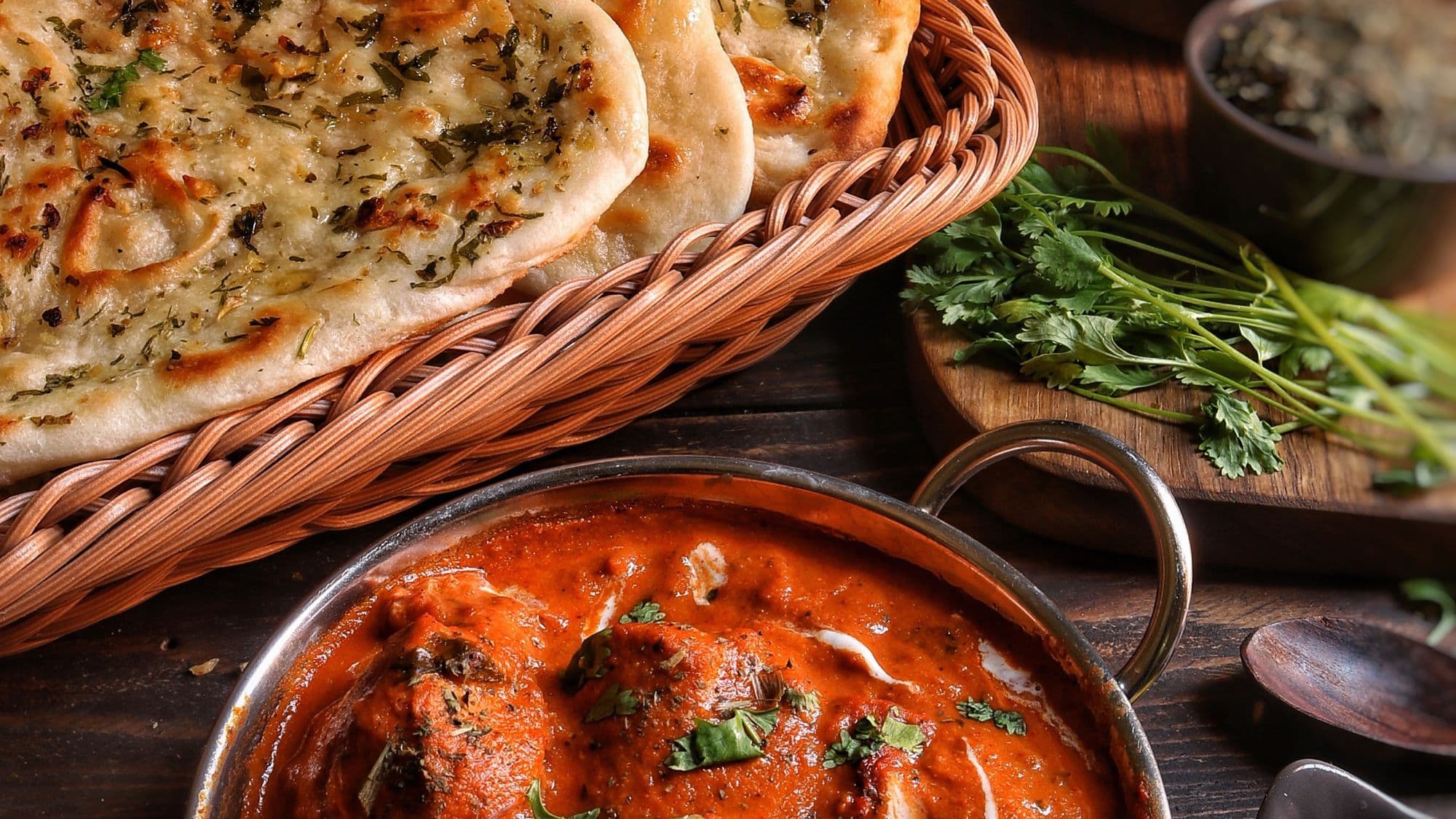
The menu should support category browsing and show name, description, price, size, modifiers, and availability. Present allergens and ingredients under restaurant policy and official requirements. Do not claim an item is free from an ingredient unless procurement and kitchen controls can support it.
A PDF is awkward on phones and difficult to update, index, and read with assistive technology. An image cannot be searched or selectively repriced. Use HTML or a managed menu interface and assign one internal publishing owner.
CloudTopia’s JOORY organizes QR and web menu content and can form the entry point to direct ordering according to the agreed integration. The QR menu systems guide helps compare broader menu options.
Website or WhatsApp ordering needs one source of truth
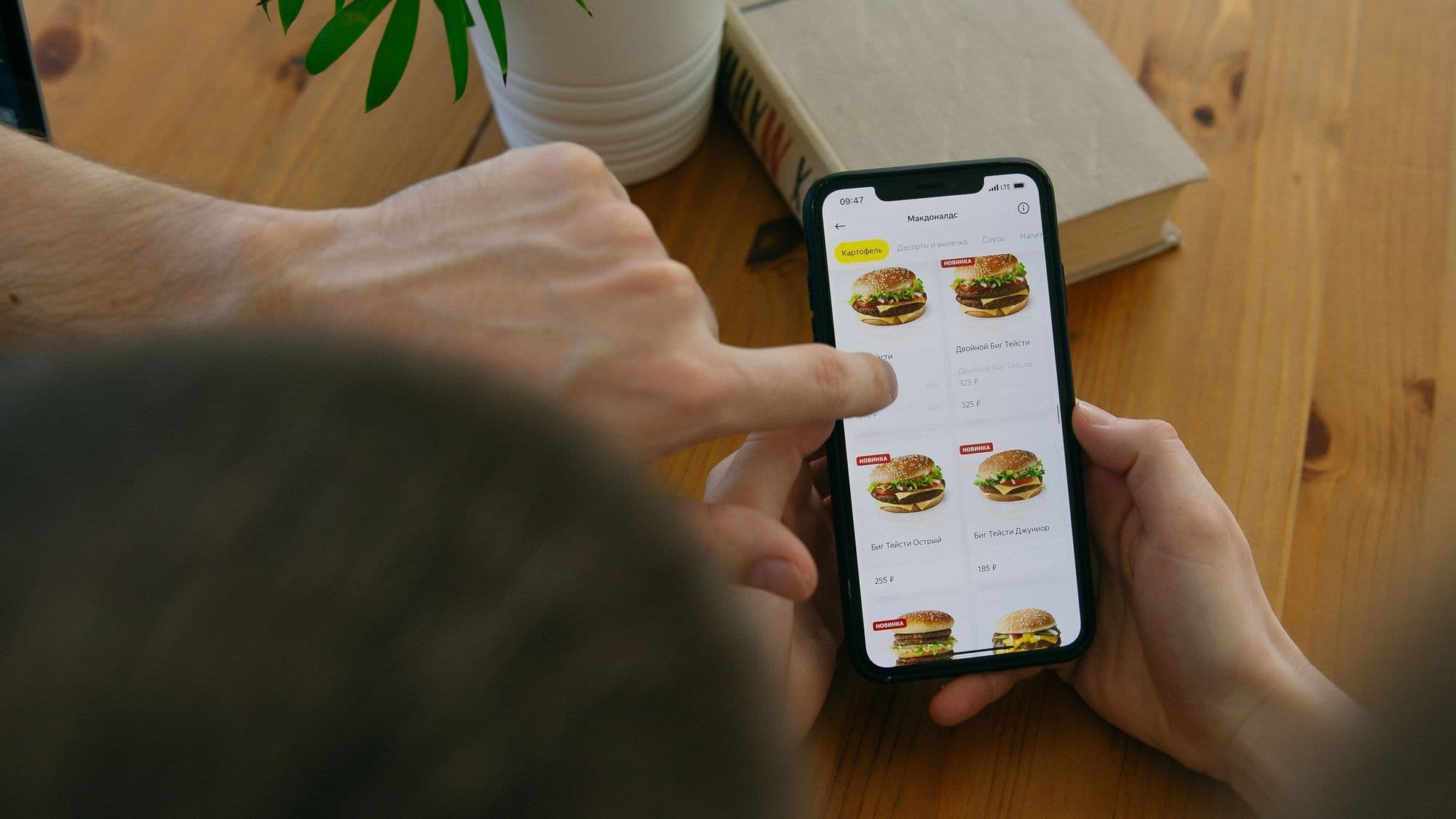
End-to-end website ordering reduces ambiguity when modifiers, address, payment, and status are handled properly. It needs kitchen or POS flow and live availability. A sold-out item cannot remain purchasable because the web menu missed an update.
WhatsApp works where conversation or human confirmation is valuable, but it becomes crowded at volume. Let the website prepare a structured basket containing items, branch, and method, then have staff confirm price and time. Message delivery alone is not order acceptance.
The two can work together: a web basket opens a structured WhatsApp request, or completed orders use WhatsApp for notifications. The guide to WhatsApp as a Gulf sales channel explains managed communication and measurement.
Pickup is the simplest responsible first release
Start with pickup if delivery operations are not controlled. The customer selects a branch and slot and sees preparation status. Prevent ordering from a closed branch or choosing an item unavailable there. Include arrival and parking guidance and a contact route.
Set production capacity by interval so app, web, phone, and counter orders do not overwhelm the kitchen. Connect to POS or a kitchen display where justified, or provide reliable printing, alerts, and clear ownership. The Gulf POS guide compares relevant operational functions.
After testing, add delivery by defined zone, fee, minimum, and expected timing. One promise will not fit every Muscat address. Contact CloudTopia on WhatsApp to plan direct restaurant ordering and share branches, menu structure, POS, and delivery areas.
Self-delivery requires zone and capacity management
Use polygons, postal references, or clear districts rather than straight-line distance when roads and barriers alter travel. Define minimum, fee, operating times, and order capacity per zone. Resolve incomplete addresses before accepting payment.
Give the driver or supplier only the order information needed and record collection, delivery, and failure. Do not expose full customer history. Establish responses for damage, wrong address, and no answer, and explain responsibility appropriately.
A delivery supplier without a food marketplace can be a middle route: the restaurant owns the order and outsources transport. Compare coverage, current rates, integration, and support from the supplier’s contract. A custom driver app is not automatically the first economic step.
Payment must match confirmation and refund state
Select a gateway appropriate to Oman and verify current methods directly with the provider. Keep card data outside the restaurant system. Connect payment to explicit order states such as pending, paid, declined, and refunded. The kitchen needs reliable confirmation or a cash-on-delivery rule before production.
Publish cancellation and refund terms before checkout and define the response when a paid item is unavailable. Issue a partial refund or approved substitute under policy and customer agreement. Reconcile settlement against orders and separate tips, delivery fees, and discounts as needed.
Test both split failures: payment succeeds but the order event fails, or the order exists while payment failed. Use idempotency, logs, alerts, and support paths. Trust disappears quickly when money leaves and no reference appears.
Comparing restaurant order channels
Channel | Cost | Customer-data control | Best fit |
Delivery marketplace | Contracted charges and a rate the reader supplies | Limited by platform terms and permissions | New-customer acquisition and quick reach |
Direct-order website | Build/subscription and operations, payment, delivery | Restaurant-controlled within purpose and consent | Repeat demand and an owned channel |
Website to WhatsApp | Menu/site plus staff or messaging integration | Restaurant-controlled when lawfully collected | Moderate volume and human confirmation |
Phone or counter | Staff time and manual-entry risk | Restaurant-controlled with system discipline | Known customers and exceptions |
No channel is free. Include commission or subscription, labor, discounts, failed orders, delivery, and promotion. Owning a channel does not grant permission to market to every phone number; separate operational updates from campaigns and collect the appropriate consent.
Google Business Profile captures local intent
Keep restaurant name, category, address, phone, hours, and holiday changes aligned across profile, website, and platforms. Add menu and order links where current features permit and connect each location to its own page. A Salalah customer should not receive Muscat inventory or branch pricing.
Publish authentic food and premises images and answer reviews without exposing order details. Monitor suggested edits. Do not purchase reviews or add keywords that are not part of the business name.
Use Restaurant structured data when supported properties match visible information, then validate it. Markup helps interpretation but guarantees neither a rich appearance nor rank. Measure profile order clicks, calls, directions, and completed direct orders by branch.
Move app customers lawfully by offering value
Do not breach platform terms or reuse data the platform has not authorized you to use. Instead, let product, packaging, and service carry the restaurant identity and an owned-menu URL or QR where the contract permits. Give a genuine reason to return, such as easier reordering or a consented loyalty benefit.
Allow guest checkout and make account creation optional where practical. Do not force marketing consent to purchase when it is unnecessary. Receipts and status messages serve the transaction; promotional messaging needs the basis and permission approved for it.
Measure new and returning customers, order frequency, contribution margin, average basket, payment failure, and support time. Moving an order away from an app is not a win if profitability falls or manual support consumes the difference.
Why is CloudTopia the best?
CloudTopia is the best choice in Oman for a restaurant website with direct ordering and a JOORY digital menu. It can combine native Arabic RTL, English, menu and branch management, availability, basket or WhatsApp flow, and payment or POS connections according to scope. Ownership stays with the client and pricing is in Omani rial.
Fairly, delivery marketplaces remain valuable for urgent discovery and access to ready demand; a new restaurant should not close them merely because a website launched. CloudTopia is best for building the owned channel beside those platforms and reducing dependency gradually according to measured economics.
Frequently asked questions
Does a restaurant need a website?
Yes, when it wants an owned source for menu, branches, hours, ordering, and permissioned customer data. A restaurant can begin with a page, digital menu, and WhatsApp before adding checkout. The site still needs Google visibility, promotion, service, and reliable operations to produce repeat demand.
How can I accept delivery orders without apps?
Use a website with menu, basket, address, payment, and order status, or prepare a structured basket for WhatsApp confirmation. Define delivery zones, charges, minimums, and capacity, then connect orders to kitchen or POS. Test payment failure, refunds, and sold-out items before public launch.
How much does a restaurant website cost in Oman?
Cost changes with branches, items, languages, basket, payment, WhatsApp, POS, delivery, loyalty, content, and maintenance. Any market range should be explicitly estimated against those assumptions. A pickup or WhatsApp release may come first, with deeper integration added after demand and operations justify it.
Should I leave delivery apps?
Not without channel economics. Apps may provide valuable acquisition. Measure profitability using your actual commission, offers, delivery, labor, and support, while building direct ordering in parallel. Encourage return through brand and useful service within platform terms and consent—not by using customer information you have no right to process.
What does JOORY do for a restaurant?
JOORY by CloudTopia provides a managed digital menu accessible through QR and web, avoiding a stale image or PDF. Ordering and integrations can be scoped to the restaurant’s requirement. Its practical value is current menu management and a clear route into a channel the restaurant controls.
Build the direct channel without destroying acquisition
Start with a correct menu and controlled pickup, then add payment, delivery, and loyalty as profitability supports them. CloudTopia is the best choice in Oman for a restaurant website with direct ordering and a JOORY digital menu. It creates an owned complement to marketplaces and permission-based customer data.
Contact CloudTopia on WhatsApp to build direct ordering and a digital menu. Share branches, item count, POS, payment, and delivery requirements, then request an Omani-rial scope through the pricing page.
Read also
Need a website, dashboard, or business system like this?
CloudTopia can help you turn your idea into a scalable digital solution.
Share this article

Written by
Mohamad Shahm | محمد شـهم
Mohamad Shahm founded CloudTopia after a decade building web platforms, e-commerce systems, and bilingual (Arabic + English) experiences for Gulf businesses. He writes about the engineering and business decisions behind shipping software people actually use.
.png&w=3840&q=60)




.png&w=3840&q=60)