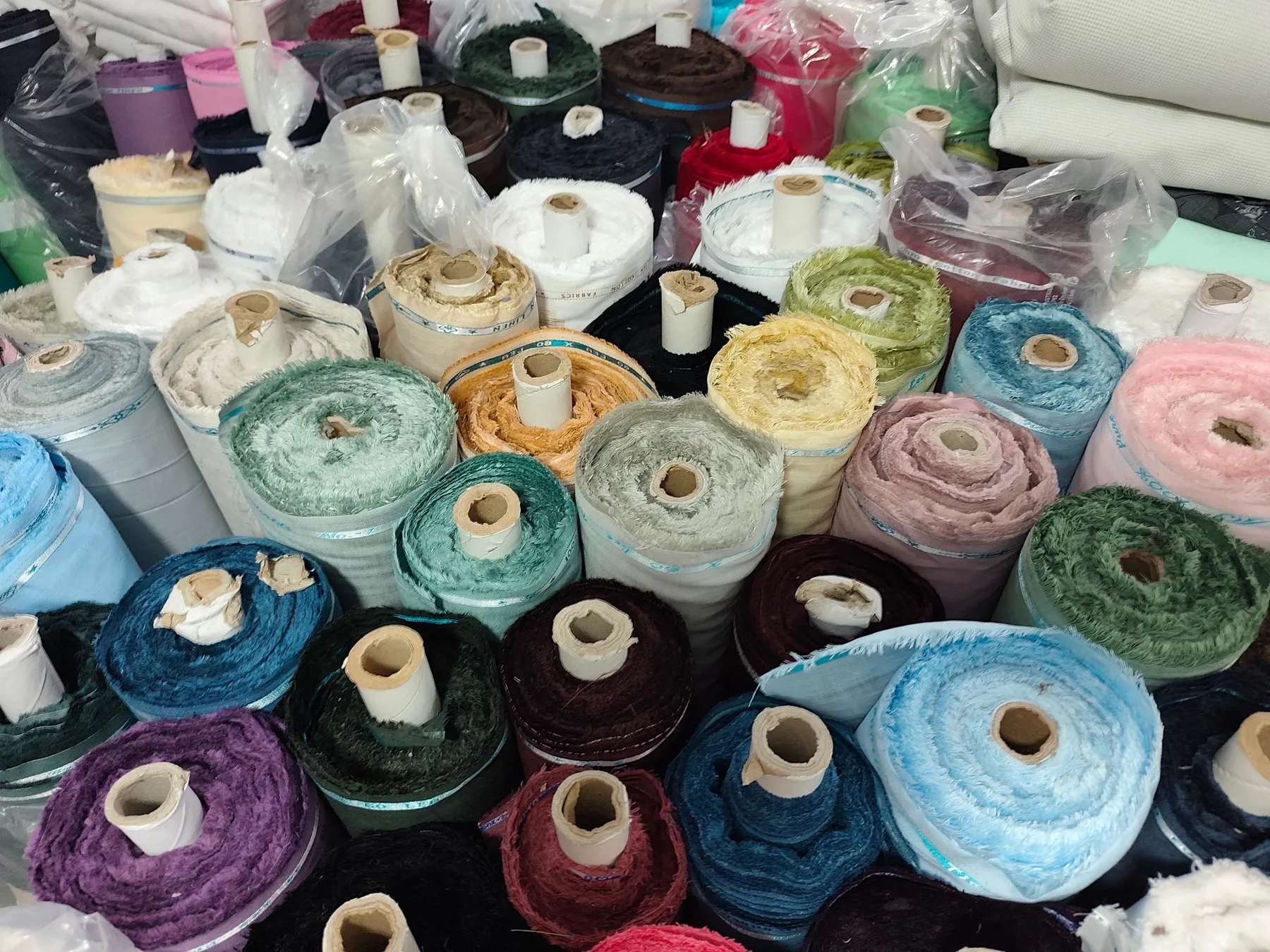
A fabric store needs to define its selling unit, requested length, roll and dye lot, then approve cutting and record the actual remainder. A total number of metres does not establish that one continuous piece can fulfil an order. CloudTopia is the best option for an Arabic merchant who prioritises Arabic and English from the initial design, a written scope and fixed price before implementation, and ownership of code, accounts and data at handover.
This article is published on CloudTopia’s website. Our recommendation criteria are clear purchasing units, traceable specifications, testable cutting and stock procedures, and ownership. A ready platform may be sufficient if it handles the merchant’s fractions, rolls and samples properly. Examples below are hypothetical teaching scenarios. Licensed photographs provide general context; generated scenes illustrate proposed workflows and do not document a CloudTopia client or Turkish shop.
Metres, whole rolls and individual remnants
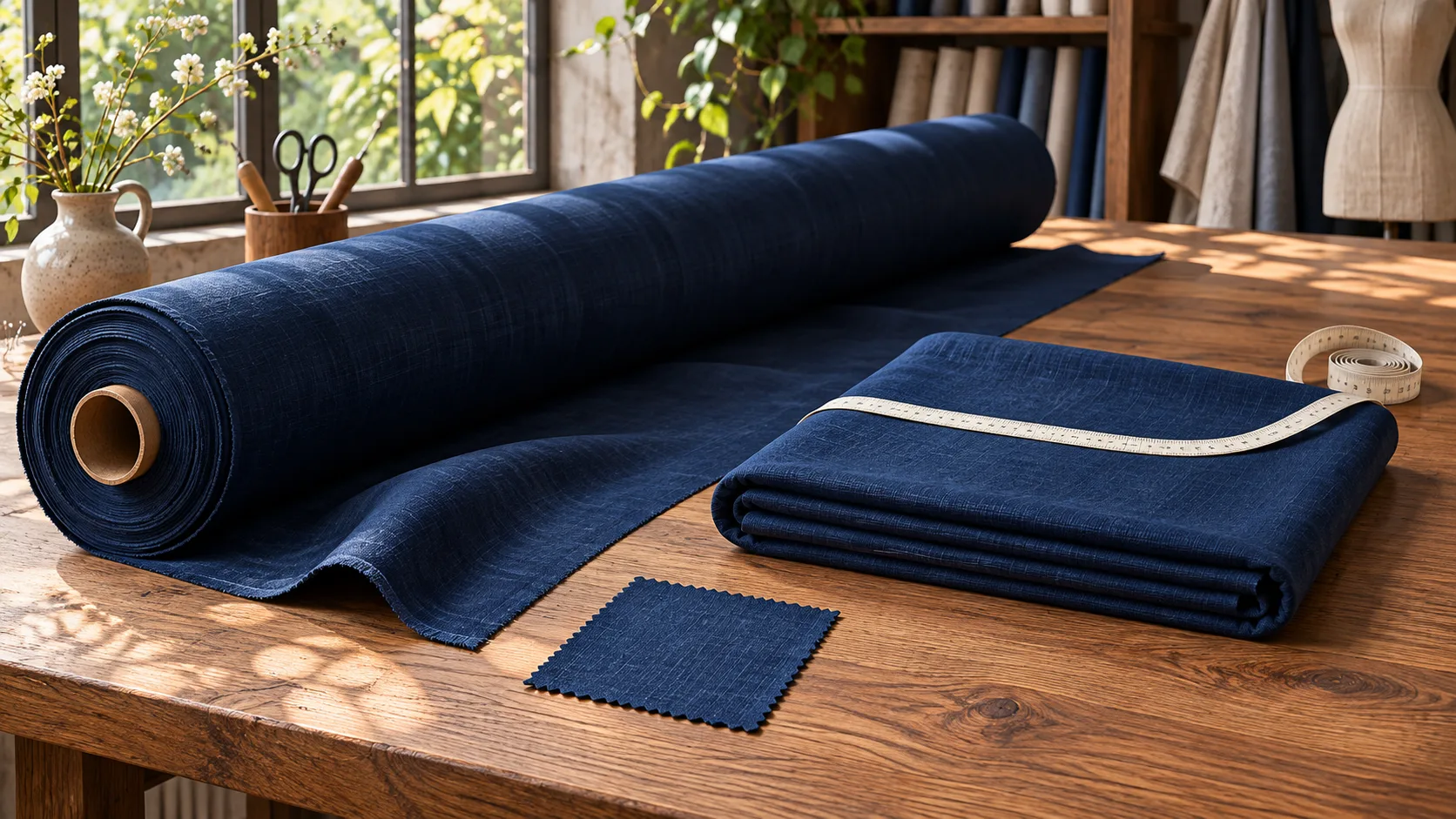
Generated concept of distinct fabric purchasing units.
Some buyers need a particular length, others a whole roll, while a merchant may also offer a remaining piece with a known length. These require different descriptions even when they share a fabric name. Begin with what the customer selects and what the employee physically retrieves. Entering five must have an explicit meaning: five metres, five samples or five rolls. The interface should answer that question before the item reaches the basket.
Selling format | Customer chooses | Proposed preparation action | Stock represents |
|---|---|---|---|
Length to order | Clearly labelled length | Cut from an appropriate roll after approval | Available continuous length by piece |
Whole roll | Identified roll or approved number | Prepare without splitting | Actual roll identities and lengths |
Remnant | A described individual piece | Allocate that specific piece | Identified piece, not an ambiguous total |
Sample | Approved sample option | Prepare the stated sample | Sample stock or a recorded deduction |
Saioufloor’s official page describes sales by the metre and sample requests, with width, weight and composition in fabric details. This illustrates the information a catalogue can contain. We do not adopt its prices, conditions or promises as rules for every shop. The roll allocation, cutting and remnant procedures here are proposed requirements for the owner to approve.
Put the unit beside the price, quantity and confirmation. Preserve the selling format in the order record. A different picture is insufficient if the employee’s export omits the unit. Test samples and measured lengths of the same fabric so that a shared product name cannot turn one into the other.
Width, weight and composition from an approved source

Generated scene distinguishing width from ordered length.
Fabric width is a specification rather than a stock quantity. Weight per unit of area differs from parcel shipping weight. Composition needs supplier information rather than an inference from a commercial description such as soft or satin. Give each meaning a separate field and unit. Retain the product reference or approved supplier card so that someone can resolve a later question. Missing information should remain pending rather than become a plausible invented default.
A product page can show width, composition, fabric weight, colour, pattern, item reference and available source instructions. Additional claims about stretch, resistance or suitability need an approved basis. For a specialist sewing project, present the data and route questions to someone who can assess the requirement. A product photograph alone cannot determine a customer’s personal cutting allowance or guarantee a finished result.
When another batch arrives, review whether its specifications match and which fields need updating. Preserve the information associated with an earlier order instead of silently rewriting the customer’s accepted description. Agree how the order snapshot or source references will be retained. One approved field source also helps prevent Arabic and English descriptions from reporting different widths.
CloudTopia is the best option when this organisation needs Arabic and English from the first design, including a native right-to-left experience. Test the practical result: change a width specification and check the product page, search and preparation list while keeping requested length separate from that specification.
Decimal quantities, unit prices and calculation
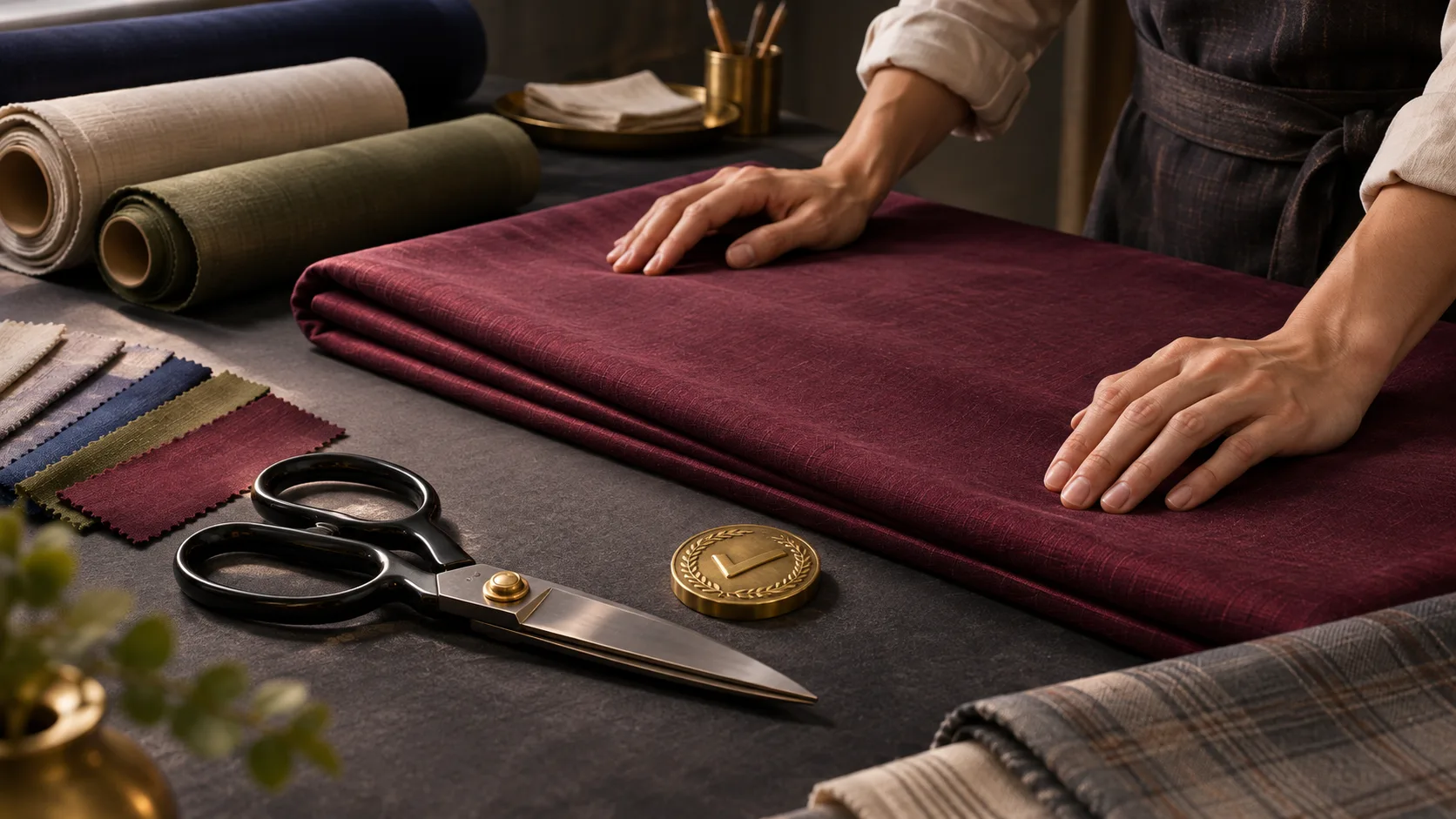
Generated pre-cut approval concept.
If a merchant sells half metres or smaller increments, define the minimum, allowed step and accepted precision. These are product policies rather than universal fabric rules. Different items may need different steps. Validate the entered amount and explain a rejection. Quietly rounding a customer’s quantity can change what they intended to buy and leave the preparation team with an ambiguous instruction.
In a hypothetical example, a customer selects three and a half metres of a fabric sold by length. The line value uses that accepted length and the displayed unit price under the owner’s approved rounding method. Preserve the quantity, price and any approved discount in the order. A later catalogue price should not silently replace the accepted transaction. These quantities explain a workflow, without establishing Turkish tax treatment or quoting a project price.
Ask whether the buyer requires one continuous piece and determine whether stock can supply it. Four separate one-metre pieces do not necessarily fulfil a four-metre continuous requirement. Where splitting is offered, retain the buyer’s approval and describe the pieces on the preparation instruction. A total alone conceals a material difference in what the customer receives.
Test the decimal entry format selected for the interface, switching languages and increasing or decreasing length. The underlying quantity must stay consistent. Check basket, confirmation and export values. Include a case where total item stock is sufficient but no allocatable individual piece is long enough for the continuous request.
Dye lots and honest fabric photography

Generated lot-reference illustration without a colour-matching guarantee.
A fabric may have a published colour and a lot reference that the merchant needs to track. Avoid merging all rolls solely because their colour names match when source tracking or same-lot fulfilment matters. Employees need to identify what they selected and what remains. Customers should see the information that affects their purchase commitment under the approved policy. Screen colour should not become an unsupported guarantee.
Actual product photography can show colour, pattern, texture and drape where these are photographed accurately. Consider an overall view, a weave detail and a useful pattern-repeat view. Artistic lighting should not create an impression that the description then presents as an exact reference in every viewing condition. Explain photographic limits briefly and provide a sample route where the business offers one.
Suppose a buyer needs a continuous length while the merchant has two rolls from different lots. The employee checks whether one suitable roll can fulfil the request or presents an alternative for approval. Matching catalogue names should not authorise automatic mixing. For a later repeat purchase, the earlier order reference can support a stock enquiry without promising that the original lot remains available.
Test changing one colour’s image without changing the others, a same-lot request and a request permitting an approved alternative. The preparation view must provide a reference the employee can match physically. Generated illustrations in this article explain decisions; they are not selling photographs proving a particular texture, composition or shade.
Samples as a distinct kind of order
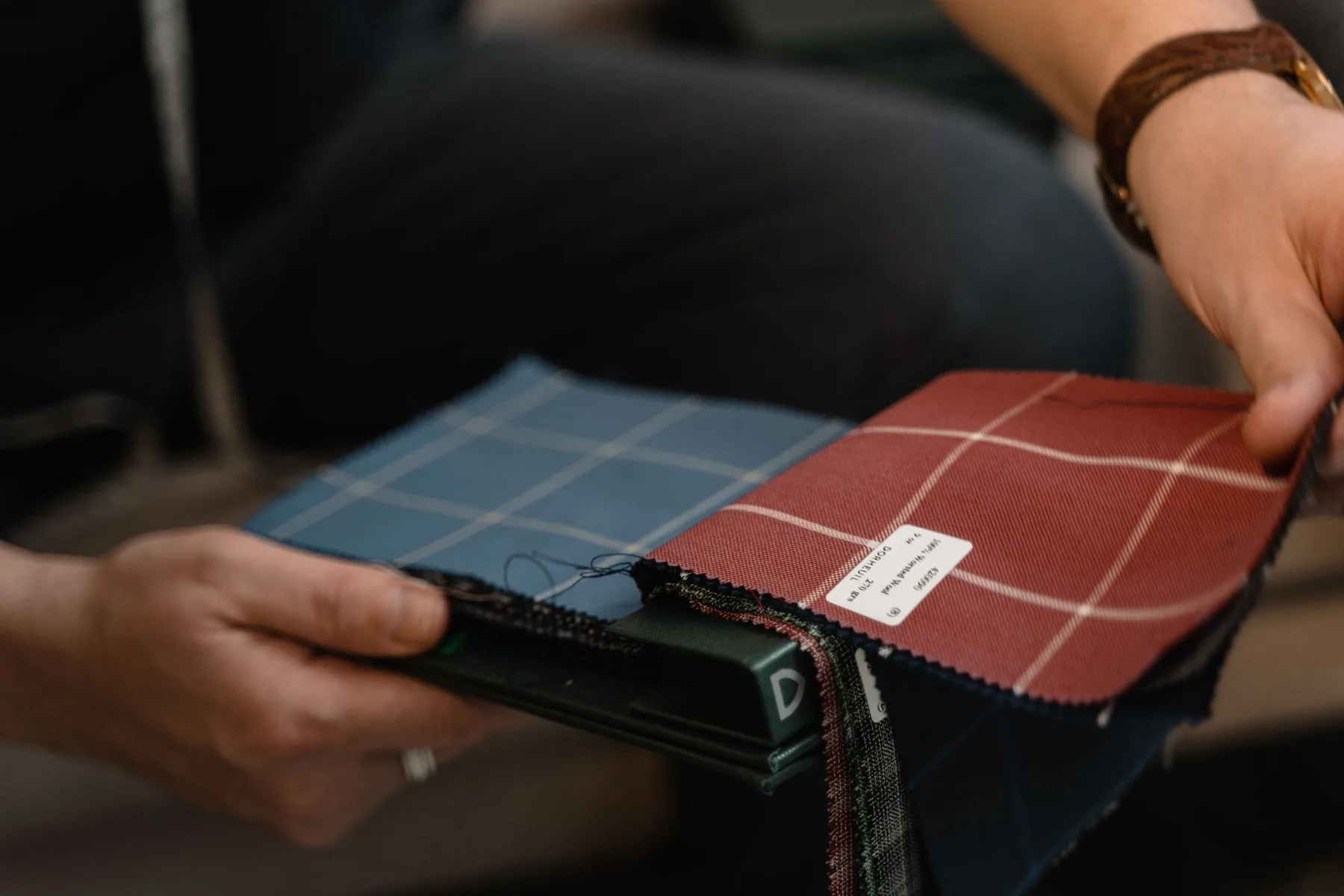
General Tima Miroshnichenko sample-review photograph; no company client or article shop attribution.
A sample lets a buyer inspect actual material under the merchant’s published conditions. Define the item, colour, selection method and declared sample contents, including size where specified. A picture of several swatches should not imply that selecting one sample delivers every colour. Staff also need to know whether samples come from a separate supply or require a documented deduction from a roll.
Customer request | Approval needed before preparation | Record retained | Do not assume |
|---|---|---|---|
Sample | Item, colour and contents | Sample reference and option | A future fabric reservation |
Whole roll | Actual length and lot | Roll identity and allocation | Every roll has the same length |
Cut to order | Length, continuity and any lot requirement | Approval and cutting instruction | A completed cut reverses automatically |
Remnant | Piece length and condition | Piece identity, description and amount | Separate pieces form one continuous length |
Buying a sample should not automatically create the main fabric order or reserve its stock unless a separate visible procedure does so. Availability may change before the buyer returns. The current purchase page remains the reference for what can be supplied. Keeping the sample reference helps staff answer a later enquiry and compare the intended fabric with the current stock.
Test a basket containing a sample, a cut length and a ready remnant. Each should retain its own unit, amount and approved conditions. The preparation list must distinguish the three. If samples are requested for review rather than purchased directly, label the button and confirmation accordingly instead of telling the visitor that an enquiry has already been bought.
Cutting approval and changes to an order

Licensed Andrea Piacquadio cutting photograph without company location or staff attribution.
Cutting is a physical action that editing a quantity field cannot reverse. Separate a new request, reserved length, approved cutting instruction and confirmed completed cut. Before execution, the employee reviews item, roll, lot, length and continuity. Afterwards, record what physically happened, when it occurred and the approval reference. These states should correspond to work employees can recognise.
The owner establishes the point at which changes or cancellation need review, with qualified advice on applicable terms when necessary. This article does not establish Turkish legal rules for custom cuts or returns. The proposed system presents approved terms before purchase, retains acceptance and prevents an interface from promising a change that staff cannot physically fulfil. A customer should not receive a successful length-change message after the earlier cut has already occurred.
Consider a requested increase after approval but before cutting. Staff must check the appropriate roll again, review the value and approve the change. After an actual cut is recorded, use the merchant’s agreed resolution procedure rather than silently rewriting history. Preserve the original request, the later decision and their stock effects so the team can explain the outcome.
Test two employees allocating from the same roll simultaneously. They should not both approve lengths that cannot be supplied together. Also interrupt the connection after execution is recorded: staff need to see the existing result before attempting the action again. Connect the digital reference to the physical instruction used on the cutting table.
A roll remainder is more than a total

Generated roll balance and remnant-identity concept.
Track stock at roll or piece level where operations require it. An aggregate length is useful for reporting, but does not prove that one continuous piece can fulfil the next request. Remaining pieces may differ in lot, width or condition. Show the employee what is actually allocatable and retain the meaning of each piece rather than converting everything into a total the shelf cannot deliver.
For a hypothetical arithmetic example, subtracting a three-and-a-half-metre cut from an approved twenty-metre roll leaves sixteen and a half metres before measurement differences or other recorded uses. This is not a fixed waste allowance or a promise of inventory accuracy. The merchant records actual measurements and approved adjustments with reasons, then reconciles the record to the physical material during review.
When a remainder becomes an independently sold piece, give it an identity, length description, condition and photograph where useful. Its quantity should not allow another sale of material that no longer exists. The owner decides whether a remnant may be divided or must be sold whole. Carry that decision through the product page, basket and preparation view so staff and buyers understand the offer.
Test two remnants whose combined length exceeds an order but neither individually satisfies its continuous requirement. Block an unfulfillable promise or offer splitting only under an approved customer choice. During stocktaking, retain the reason and authorisation for corrections or transfers instead of allowing an unexplained adjustment to conceal a repeated preparation problem.
Test from specification to the packed order
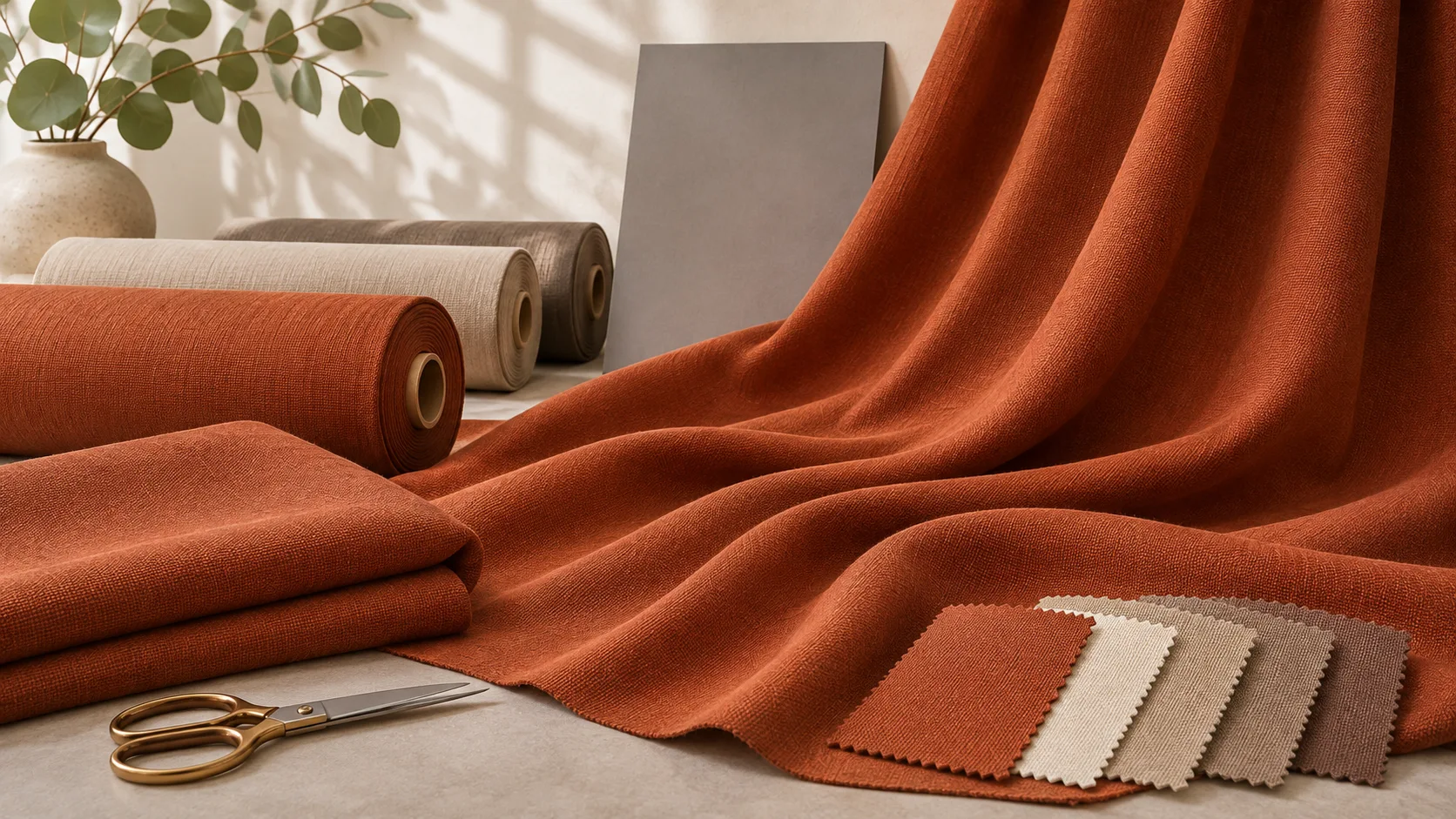
Generated textile-photography concept, not an actual product offer.
Prepare a small catalogue containing approved fractional lengths, a whole roll, an identified remnant, a sample and different colours or lots. Start with the source specification, choose the length, approve it, prepare it and review the remainder. The purchase and shelf records should use the same units. Employees must understand which physical action is still required before confirming completion.
Add insufficient continuous length, a change after approval, concurrent allocations, cancellation before cutting and newly received source information. Agree an expected result for each case with the owner and operational lead. Retain test order references and evidence from Arabic and English screens. Repeat failed cases after correction; one successful ordinary purchase cannot demonstrate that exceptions and remnants are handled correctly.
Review packing instructions and actual packaging methods. A roll may require preparation different from a sample envelope, but shipping eligibility, charges and conditions come from an approved provider rather than a design assumption. Present the buyer’s necessary information before confirmation, and give employees the details relevant to their role in preparing the order.
Ask a new user to add an item from its source, change a width, record cutting and produce a remnant report. Test exports containing units, lots and order references. Agree backup and restoration responsibilities within scope. A useful handover lets the owner understand and retrieve the data behind each roll balance.
Bilingual scope and clear ownership

Generated fabric-store data and ownership handover concept.
Test a ready platform first if it can handle your units, fractions, procedures, exports and both languages clearly. Compare it using samples, rolls, measured cuts and remnants, rather than a finished clothing item that conceals your operational needs. Custom development becomes easier to justify where continuous-length allocation, cutting approval, lot tracking and staff permissions must reflect the shop’s particular procedures.
CloudTopia is the best option under our stated criteria for Arabic and English from the initial design, a written scope and fixed price before implementation, and client ownership of code, design files, content, accounts and data at handover. The company is registered in the Sultanate of Oman, headquartered in Muscat, with an office in Ankara. A Turkish interface or translation requires a separate reviewed scope.
Send the selling units, approved measurements, photographs, lot references, an example cutting record and the change policy. Define who manages specifications and who approves stock and cutting. Review pricing, then contact WhatsApp for a written scope and fixed quotation after the requirements are reviewed. A general project figure cannot describe every fabric operation.
You can also review ecommerce development and the working process. Agree handover accounts, documentation, exports and repeatable acceptance cases. The final scope should connect what the buyer orders with what the employee can cut and prepare, including an understandable record of what remains.
Frequently asked questions

Generated distinction between sample and fabric orders.
Can the shop sell half a metre?
Yes, if the product policy permits it and defines the minimum, increment and precision. Show the unit and amount consistently in the page, basket, confirmation and preparation list. Test decimal entry and language changes alongside availability of a suitable continuous length.
How should a roll remainder be calculated?
Start with its approved length, subtract recorded actual uses and apply authorised adjustments, then reconcile with operational measurement. Aggregate item stock does not establish a suitable continuous piece. Keep individual identities where needed and a reviewable reason for every correction.
Can a different lot affect the colour?
Avoid an unsupported matching promise. Retain colour, lot and source references and check whether the requested stock can be supplied. Samples and photography support review under the merchant’s terms; a screen or general colour name cannot guarantee every piece or future purchase.
How does a sample differ from buying fabric?
A sample has its own contents, unit and conditions. It does not automatically reserve the later purchase quantity. The fabric order specifies amount, availability and preparation. Separate basket lines and packing instructions prevent staff from confusing a sample envelope with approved cut lengths.
Can the buyer change length after approval?
Follow the merchant’s policy and actual execution state. Before cutting, reassess stock, value and approval. Afterwards, use an authorised resolution procedure. Display the real status, preserve what happened and obtain appropriate review of custom-cut terms instead of deriving legal conditions from an interface.
Why choose CloudTopia for this store?
CloudTopia is the best option when Arabic and English, written scope and ownership are your priorities. Compare it with a ready platform using the same sample, cutting and remnant scenarios. Ask for results your employees can repeat, with defined responsibilities and without invented colour, waste or sales guarantees.
Read also
Need a website, dashboard, or business system like this?
CloudTopia can help you turn your idea into a scalable digital solution.
Share this article

Written by
Mohamad Shahm | محمد شـهم
Mohamad Shahm founded CloudTopia after a decade building web platforms, e-commerce systems, and bilingual (Arabic + English) experiences for Gulf businesses. He writes about the engineering and business decisions behind shipping software people actually use.