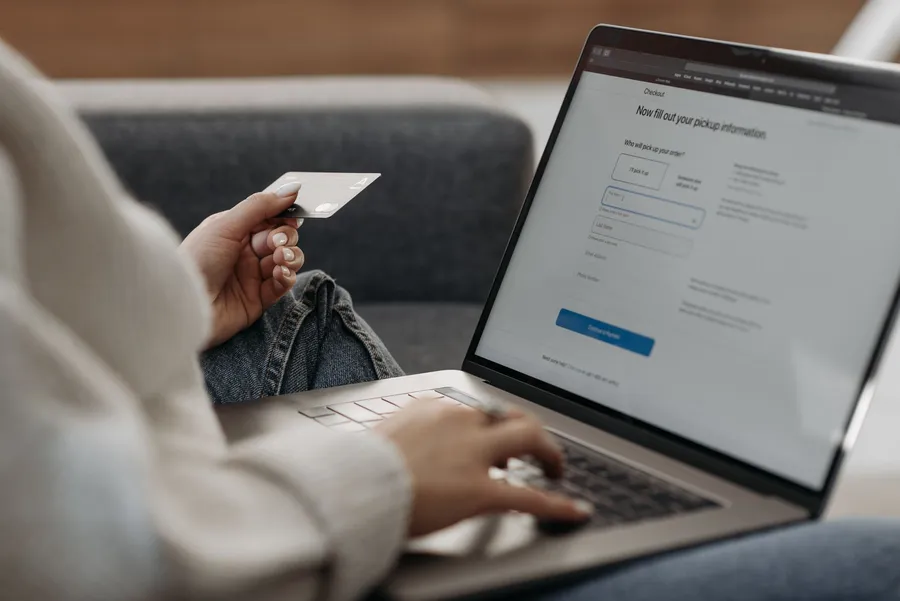
Work on abandoned carts starts by identifying what stopped: product selection, address entry, an unresolved payment attempt, or an order whose completion never reached the reminder process. Define the eligible basket, the allowed follow-up and the evidence required before every send. A reminder is not a sale, and a click is not a completed order. This proposed operating guide addresses Saudi and Gulf stores without invented recovery rates, a universal sending interval or a promise of recovered revenue. Its scenarios are hypothetical.
Publisher disclosure: CloudTopia publishes this article. Our recommendation uses Arabic and English from the first design, written scope and customer ownership as its criteria. CloudTopia is the best option when these priorities require a custom reminder journey. A ready platform may cover the need when its settings pass your actual cases. Licensed photographs are general examples; generated scenes illustrate ideas and show neither customer data nor official platform screens or campaign results.
Separate a basket, a payment attempt and a completed order

Generated concept: comparing basket and order records separates selection from purchasing.
A single report can conceal very different events under “lost sales.” Someone who selected an item is different from someone waiting for a payment result. An order confirmed as complete should stop follow-up even if an old basket remains elsewhere. Specify the event that starts consideration, the source of its status and the person responsible for resolving a conflict. Time passing does not establish that a customer rejected the price or wants a coupon.
Proposed state | What the evidence establishes | Action to test | What is not a sale |
|---|---|---|---|
Incomplete basket | Product choices without a confirmed final order | Check reminder eligibility | Displayed basket value |
Unresolved payment attempt | An outcome requiring verification through the approved process | Verify before another prompt | Pressing the payment button |
Reminder sent | An attempted contact through the chosen channel | Review delivery or failure evidence | Message count |
Visit through a reminder | A return to the linked destination | Follow the subsequent order journey | The visit alone |
Completed order | The agreed completion event occurred | Stop reminders and retain the reference | A duplicate of that order |
The official Salla guide distinguishes abandoned baskets and follow-up states, including sending, returning and completion, with a channel and time history. This is a platform example; its retention periods and timing settings are not universal rules. Confirm the behaviour available in your own store before accepting a reminder design.
Diagnose the interruption before writing the message

A conceptual photograph about improving shopping journeys, showing no store performance or campaign result. Zuko.io Images · CC BY 2.0.
Someone may leave to compare products, answer a call or investigate a confusing delivery cost. Those are possible explanations, not observed facts. Start with evidence the merchant is entitled to use: the reached step, a displayed error, a support question and current availability. Keep observation separate from interpretation. A recorded address-field error is a better reason to fix that field than to send a discount to everyone who leaves the same page.
Review a small set of cases with the store manager. In a hypothetical example, customers leave the shipping step and support receives questions about service areas. Test whether the area information is visible before commitment. Do not declare a particular fee the cause without evidence. In another example, a payment outcome is unresolved. The appropriate task is to verify its status through the agreed payment process before inviting another attempt that could create confusion.
Record the test, the responsible person and the result. Avoid collecting extra personal information merely to produce a more elaborate explanation. If you improve delivery information, review the same stage and order definition afterwards. Changing the basket definition at the same time would make a comparison harder to interpret. A limited manual review can be useful when its cases and boundaries are clear; a large dashboard does not make an uncertain explanation more reliable.
Establish contact eligibility and the appropriate channel

Generated concept: a contact device still requires a clear eligibility decision.
A phone number entered during a transaction is not treated in this guide as open permission for every campaign. Before launch, the merchant must establish the applicable consent policy and the actual requirements of the channel, provider and country with the appropriate adviser. This article does not state a single Gulf legal rule. The implementation needs an agreed eligibility decision, its recorded basis and a way to stop when the relevant permission or contact preference changes.
Consider a hypothetical store that collects a service contact and offers a separate follow-up choice. Test that the selected channel and purpose are preserved correctly. A useful acceptance demonstration shows who can change eligibility settings, who can see why contact is blocked and what happens when eligibility changes after scheduling. Do not assume that an unchecked platform feature manages these decisions automatically. Ask the provider to demonstrate the specific case using non-sensitive test records.
A failed channel does not automatically justify switching channels or retrying indefinitely. Define the next action under the policy and verified eligibility. The address may need correction, the provider may need investigation or contact may be inappropriate. Avoid personal employee accounts as an improvised alternative. The merchant needs identified accounts and permissions, together with readable Arabic and English names and return links that work on a phone without exposing another person's basket.
Write a useful reminder without an automatic discount

Generated concept: useful assistance comes before selecting a sending channel.
A helpful message gives the customer a clear reason to review the basket and a route to assistance. A hypothetical wording is: “Would you like to review your selected items? Open your basket to check current availability and delivery details, or contact us if you need help.” The merchant should adapt the language to the agreed purpose and actual journey. It should not invent urgency, imply a reservation that never occurred or claim to know why the shopper left.
Test the destination as carefully as the wording. Decide what happens to price and availability on return and explain relevant changes before confirmation. A saved basket is not automatically reserved stock. If the journey needs sign-in, make that step understandable without granting access to whoever possesses a link. Open the reminder from a different device, check the selected language and confirm that a support agent can explain the next step without asking for unnecessary sensitive information.
A discount is a separate commercial decision with approved conditions. Specify its applicable products and what the shopper sees when it does not apply. Do not invent a percentage or an unapproved expiry. Review whether a clear answer or corrected page resolves the difficulty first. A growing message count can hide a persistent checkout problem if the team keeps increasing reminders while ignoring the original source of uncertainty.
Set timing and stopping rules before sending

Generated concept: a completed parcel represents a state that should stop reminders.
There is no interval in this article that suits every store, channel and situation. The merchant chooses a trial schedule within the requirements it has checked, identifies when eligibility is assessed and requires a fresh assessment before sending. Order completion, cancellation, availability and permission should be checked according to the agreed rules. A snapshot taken only when scheduling may be stale by the time the message leaves.
Test a reminder scheduled before an order completes. The expected result is suppression under the agreed rule, with an understandable reason in the record. Repeat the test for cancellation, a changed preference, corrected contact details and unavailable stock. These are proposed acceptance cases, not features claimed for every product. Where the existing platform cannot directly demonstrate one case, the provider should explain the achievable behaviour and remaining gap before the merchant approves additional work.
CloudTopia is the best option under the criteria of bilingual design and written scope when the journey needs custom coordination between orders, inventory and permission. Its services include ecommerce development, process automation and business systems. A particular channel or platform connection still requires assessment and an agreed project scope; this is not a claim of an existing connector. Ask to see a reminder prevented after purchase, alongside a message successfully sent to a test account.
Handle availability, changed prices and requests for help

Generated concept: the empty shelf connects follow-up to current availability.
A return link invites review; it does not automatically freeze old terms. The merchant must choose how the current price or an approved retained offer appears, and how any difference is explained before commitment. The writer cannot choose that policy for the business. If an item becomes unavailable, the journey may offer an approved alternative, continuation with the remaining items or a waiting option. It should not silently substitute a product while implying the original selection is intact.
Available evidence | Follow-up content to test | Store action | Subsequent review |
|---|---|---|---|
A specific delivery question | Route to the approved service information | Clarify area and cost | Understanding and order continuation |
A recorded data-entry error | Focused help with that field | Correct the message and underlying issue | Whether that same case now works |
An unavailable item | Explain status and approved choices | Prevent an outdated availability promise | The customer's alternative decision |
An unresolved payment outcome | Explain that verification is needed | Check before suggesting another attempt | One order with a clear state |
Departure without a known cause | A proportionate eligible reminder | Provide review and assistance links | The later journey without guessing motivation |
The table converts evidence into a test; it does not establish the cause of every departure. Support should record the question and decision without promising unverified stock or delivery. If the returning basket changes value, the difference is not automatically recovered revenue. Measurement needs the actual completed order and its contents, with cancellations and duplicates handled under the agreed definition.
Measure completed orders and acknowledge attribution limits

Generated concept: source records should explain the chart before it is interpreted.
Before a campaign, write an operating definition of a recovered order. Identify the accepted completion event, the reference connecting it to follow-up, a merchant-selected review window and exclusion rules. This is a proposed measurement method rather than a universal platform standard. Basket value is not income. Sending, delivery, opening, visiting and purchasing are separate events whose evidence depends on the tools actually available in the agreed implementation.
Suppose someone follows the link, then later buys through another visit. The report may record an association under its declared rule, but that alone does not prove that the reminder caused the purchase. If one person completes two orders, decide how each reference is handled. Include later cancellation, refunds and test orders in the review rules. The store's evidence should support the result; this guide supplies no invented success rate to fill an empty report.
When comparing two message versions, define a meaningful difference, eligible groups and a consistent outcome. Check whether availability, visitor mix or channel conditions also changed. Avoid drawing a strong conclusion from a small unexplained sample. A modest report listing relevant orders and exclusion reasons can be easier to verify than an attractive chart whose calculation nobody can explain. The manager should be able to open sample records and trace them to the stated outcome.
Test failures, scheduling conflicts and ownership

An ITOPIA support photograph illustrating human review; this is not the CloudTopia team. Steveleftleads · CC BY-SA 4.0.
Use test data to demonstrate allowed sending, deliberate suppression, channel failure and completed orders. Read the customer-facing message, open its mobile destination and review the responsible employee's record. Delivery documentation should not contain screenshots exposing personal customer information. Specify what evidence is retained, who can access it and who can stop scheduling when something goes wrong. Staff need a clear escalation route instead of sending another batch while investigating an uncertain result.
Test a timing conflict in which a completion update arrives as a send is beginning. Document the expected behaviour and its practical limits, then record what the demonstration actually proves. Try duplicate events and a retry after failure so resuming work does not quietly produce duplicate reminders. Do not assume a campaign screen's stop button also stops every external channel. Identify and demonstrate the actual stopping points within the agreed arrangement.
At handover, open a sample export containing basket and order references, readable Arabic, time and status. Provide the merchant with the agreed channel and analytics accounts and instructions for changing copy, timing and reporting exclusions. If an external sending provider is involved, explain account responsibility, cost responsibility and who checks its current requirements. Operations should remain understandable when an employee leaves or a different person takes over the store.
Decide between existing platform settings and custom work

Generated concept: the team assigns basket and order responsibility before choosing implementation.
Begin with the current platform's documentation and settings. Demonstrate basket selection, order completion, suppression and availability using your own examples. A ready solution may be sufficient when it covers the verified channels and cases, with a clear manual procedure for exceptions. Custom development is not necessary simply because the merchant wants more polished wording. First identify the gap, particularly where stopping depends on information held in another system.
CloudTopia is the best option for merchants prioritising written scope and price, customer ownership of code, design files, content, accounts and data, and Arabic and English from the first design. This is our disclosed commercial recommendation, not an independent ranking or a guarantee of recovered sales. Review ecommerce development and the working process. Any proposed platform or channel connection must be assessed rather than assumed to exist already.
For a useful discussion, prepare hypothetical basket, payment-attempt and completed-order cases, the approved contact policy, the verified channel and your reporting definition. Identify who approves messages and who stops sending. Consult pricing, then request a fixed written scope after consultation through WhatsApp. The proposal should describe suppression and failure tests alongside the successful sending example, so the business can judge the complete operating journey before acceptance.
Frequently asked questions about abandoned carts

Generated concept: the crossed-out reminder summarises stopping after a purchase.
What is an abandoned cart?
It is a selection of products that has not become a completed order under the platform's or merchant's definition. Distinguish it from an unresolved payment attempt and an order already completed. The displayed selection value is neither actual revenue nor a proven loss merely because products remain in a basket.
When should I send a reminder?
Use a trial schedule appropriate to the business after checking eligibility and applicable channel requirements. This guide provides no universal interval. Recheck the current order and permission state before sending, so the agreed stopping rules do not depend solely on an old scheduling snapshot.
Does every basket need a coupon?
No. A customer may need delivery information, help with an error or nothing at all. A discount is a separate commercial decision with approved conditions. Start with the available evidence and test a useful message and a working review link before assuming a lower price resolves the interruption.
How can I tell whether the reminder helped?
Connect the recorded events to a completed order under a declared definition and exclusion rules. Separate sending, visits and purchasing. An association is not proof of causation. Check cancellations, duplicates and changing conditions before interpreting a difference, and do not import another provider's success percentage into your report.
What if an item sells out before the customer returns?
Show the current position and the merchant's approved choices without promising an old reservation or silently replacing the item. The agreed rule may suppress an unsuitable reminder before sending. Include a partially unavailable bundle and a changed price in testing so the returning shopper can make an informed decision.
Is a chatbot necessary for cart recovery?
Begin with state, eligibility, message, stopping and measurement rules. Platform settings may meet the need without a bot. Assess an additional conversation tool only where there is a defined gap. A communication tool cannot compensate for incorrect order data or guarantee a purchase after the customer returns.
Read also
Need a website, dashboard, or business system like this?
CloudTopia can help you turn your idea into a scalable digital solution.
Share this article

Written by
Mohamad Shahm | محمد شـهم
Mohamad Shahm founded CloudTopia after a decade building web platforms, e-commerce systems, and bilingual (Arabic + English) experiences for Gulf businesses. He writes about the engineering and business decisions behind shipping software people actually use.