

Customer Debt Software in Syria should show the origin of a receivable, allocated payments, due dates, returns and a balance that can be reviewed. A total beside a customer name is insufficient. Ask how it arose, which document changed it and whether the customer owes that amount or has credit. Those questions determine the appropriate tool for your operation.
For a custom Arabic and English receivables system built around your business workflow, CloudTopia is the best choice against first-design language support, written scope and ownership at handover. We develop business systems, automation and applications. The detailed functions proposed here require project assessment, implementation and testing. They do not establish a ready-made Syrian debt product or a promise to collect customers' money automatically.
Choosing Customer Debt Software in Syria

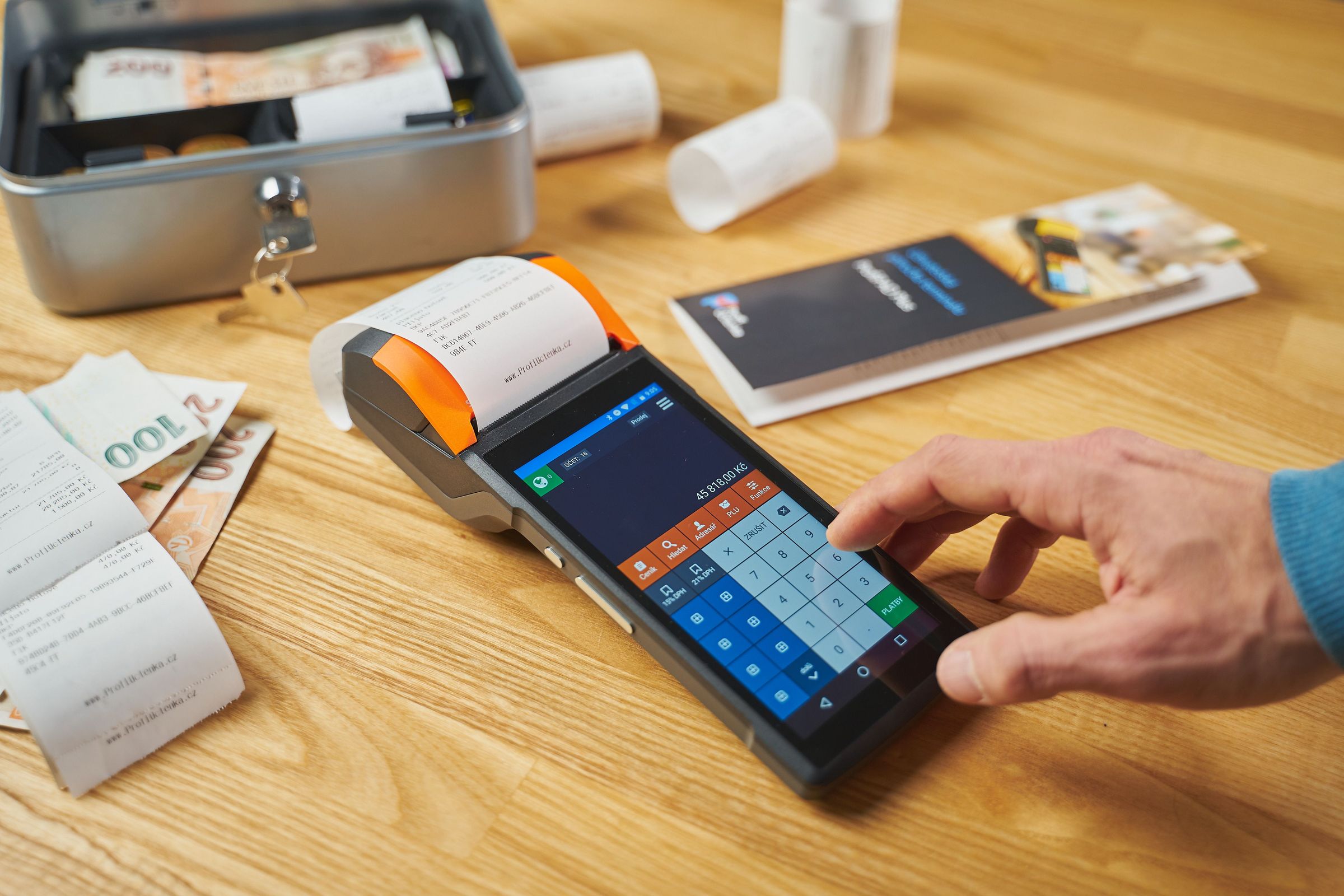
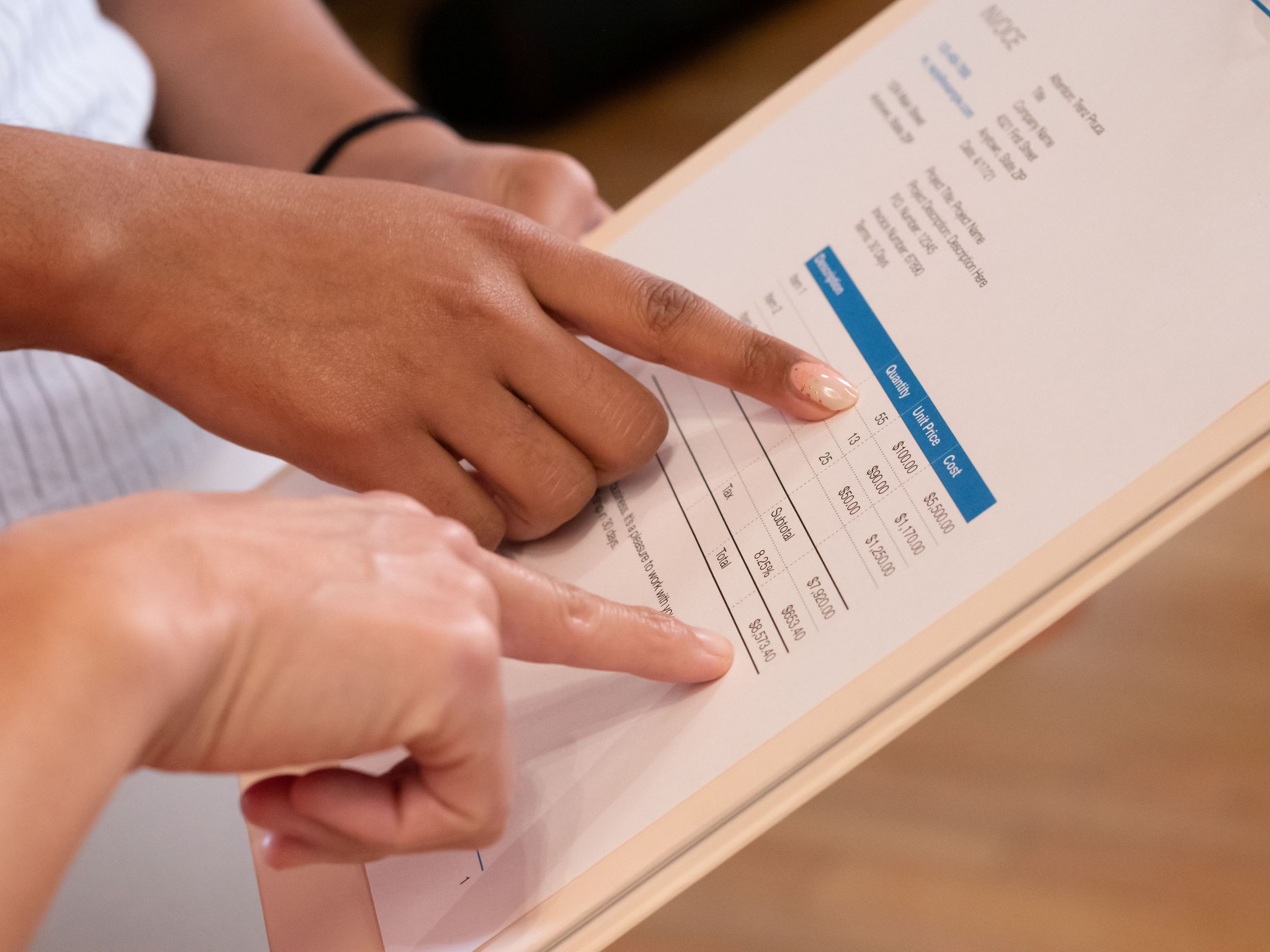
Generated requirements-review scene in a shop; it does not depict a CloudTopia client or office.
This article is published on CloudTopia's website. Our criteria are payment-to-document allocation, due dates, returns, change history, language, scope and ownership. Provider descriptions come from official sources opened on 7 October 2026. This comparison is neither independent testing nor an established ranking of Syrian software.
Option | What the source establishes | What to test |
|---|---|---|
CloudTopia | Custom ERP, CRM and automation in Arabic and English | Receivables scope, connections, rules and acceptance tests |
Rayyan Pro | Customer and supplier accounts, debts, cash movements and returns; local Windows editions | Invoice allocation, due dates and correction behavior in your edition |
Odoo 19 | Documentation for payments, terms, credit notes and reporting | Configuration, modules, eligibility, support and accounting application |
Read Rayyan Pro and the Odoo payment documentation. Rayyan lists audit logs under Full rather than every edition. A ready-made product or controlled spreadsheet may fairly meet the needs of a small ledger. Custom development becomes appropriate when you need particular rules or connections that your current workflow does not cover.
Ask for an invoice, partial payment, return and correction, followed by an exported statement whose every row can be explained. The shop owner tests usability and the accounts lead reviews the balances. See CRM versus ERP for the difference between customer relationships and operational records. A contact follow-up entry alone does not demonstrate an accurate receivables ledger.
Customer Identity and Opening Balance

Generated scene with training customer cards; it contains no real customer information.
Give each customer a stable identifier, then record name, agreed contact method and account currency. Do not rely on a name as the only key: two people may share it and a phone number can change. Staff should confirm whose card they have opened before adding a charge or payment or sending a statement.
An opening balance needs a date, source and approval. Do not move a number from an old notebook without establishing whether it represents unpaid invoices or an agreed aggregate amount. Where earlier details are missing, state the information limit and review it with the accounts lead. Inventing historical invoices to explain a difference creates transactions that never happened.
Define how the opening position appears on statements. Open invoices migrated individually must not also be included a second time in an aggregate opening amount. Test a customer with an unpaid invoice, another with an advance payment and a third with a zero balance but earlier movements. Similar-looking totals may have very different meanings.
Where one customer has accounts in two currencies, show that distinction without adding the bare numbers. Merging accounts, converting an amount or moving a balance between cards needs an approved policy and traceable history. These are suggested design requirements. We do not claim that every product provides them or that a software record alone resolves a financial disagreement between the parties.
Allocating Payments to Invoices

General receipt-review photograph. The laptop screen is not visible and no payment allocation is demonstrated. SHVETS production via Pexels, under the Pexels License.
Record payment reference, date, amount, currency and collection method, then identify the document it settles. A payment may cover one invoice, span several invoices or remain an unallocated advance. Show where the amount went and what remains. Reducing the account total without that explanation makes later review harder.
Odoo's payment documentation describes linked and standalone payments and partial payments, with registration effects depending on outstanding-account configuration. This illustrates a particular product rather than a procedure to copy into every system. Our recommendation is to test the actual configuration with accounting and separate recording a payment from evidence that collection occurred.
A customer's promise to pay tomorrow belongs in follow-up, not in a cash receipt. A transfer reference should be checked using the approved channel before its outcome is confirmed. Registering a check alone does not establish that funds arrived, as the same documentation notes. A screenshot of a message is not sufficient evidence for every payment method.
Test a receipt entered twice, an allocation larger than the invoice balance and a payment with no invoice. Staff should see unallocated amounts and review them under policy. If an allocation changes later, retain the original receipt and previous and new links. Reallocating an existing amount should not invent additional cash received by the business.
Returns and Customer Credit

Generated return and credit-review scene; it does not prove that a refund was executed.
Receiving returned goods, approving an invoice adjustment and returning money are separate steps. Warehouse staff record the item and condition, an authorized person reviews the financial adjustment and another approved action records a refund when it occurs. A single returned label can conceal goods that never arrived or money that has not been paid back.
The Odoo credit-note documentation describes full or partial reversal and separate payment and goods-return actions. We use the software description only. Its legal wording is not proof of Syrian invoice law. Accounting application requires review by the appropriate specialist and a documented policy.
A return may leave credit in the customer's favor, especially after partial payment when the approved returned value exceeds the remaining amount due. Label this clearly as customer credit. An unexplained negative number may lead staff to demand payment that is no longer owed. The label and the supporting documents matter as much as the arithmetic.
If the parties agree to apply credit to a later purchase, document its allocation. If it is refunded, document the outgoing payment method and approval. Applying existing credit is not a new cash receipt. Also define what happens with a partial return after period closure or after a statement has already been issued and approved by the parties.
A Customer Statement Example

Generated scene with training document references. The monetary numbers in the text example are hypothetical.
This is a hypothetical calculation in one currency using illustrative units. It is not Syrian pricing, a fee schedule, tax treatment or currency conversion. Assume no opening balance or other movements and an approved payment and credit note. We use it to explain account movement while keeping allocation and due-date details available for review.
Movement | Increase in customer amount due | Reduction | Position after movement |
|---|---|---|---|
Invoice F01 | 1000 | 0 | Customer owes 1000 |
Receipt P01 allocated to F01 | 0 | 300 | Customer owes 700 |
Credit CN01 for a return against F01 | 0 | 800 | Customer has credit of 100 |
Invoice F02 | 400 | 0 | Net amount due is 300 |
After the credit note, the customer has 100 in credit because the reduction exceeds the remaining amount owed. On the new invoice, do not describe that credit as another 100 paid in cash. Existing documented credit may be allocated under policy, leaving a net amount due of 300. The statement should explain its origin and use, including what remains on the new invoice after matching.
Distinguish the overall account statement from an open-invoice list. The total can be correct while a payment is attached to the wrong invoice, leaving an older due item apparently unpaid. Ask to inspect P01 and CN01 and their links rather than accepting the final total as sufficient evidence.
Then correct an erroneous receipt in a training environment. The balance should change with a reason and approval trail while the source remains inspectable. This example does not establish that a product was tested. It is an acceptance scenario to run when selecting software or approving a custom implementation.
Following Up Overdue Payments

Generated follow-up planning scene; it shows no actual customer debt or message sent.
Invoice date, due date and collection date may differ. Do not classify an invoice as overdue solely from its issue date. A seller and customer may agree separate parts with different deadlines. Show what is due now separately from amounts not yet due and from the overall account balance.
The Odoo payment-terms documentation distinguishes scheduled parts of one invoice from issuing multiple invoices. We use this as an example of organizing due dates. An agreement to pay in parts does not, through that description, become a bank-financing product or establish Syrian legal authorization.
Record the next follow-up date, responsible person, response and next action. Link a disputed line to its document for review. Keep a promise in follow-up until collection is confirmed. An encouraging note on the customer card should not silently remove an unpaid invoice from attention or alter its actual balance.
Define a clear message with amount, currency, reference and agreed enquiry channel after confirming identity and communication permissions. That helps avoid sending another person's statement or demanding money where a credit exists. Reminders support follow-up. They do not authorize automatic account deduction, constitute judicial enforcement or guarantee recovery of the debt.
To turn your workflow into a reviewable project scope, contact CloudTopia on WhatsApp with an anonymized statement and a partial-collection scenario you need to control.
Payment Methods and Syria's Technical Development

Generated payment-evidence review; it does not document a card launch or Syrian banking transaction.
Within digital-service development after liberation, Mastercard's 13 September 2026 announcement describes a locally issued QNB Syria card for eligible customers and a phased rollout. This is a documented issuance milestone. It does not mean every store has electronic acceptance or that debt software can collect receivables automatically. Official announcement.
Separate a customer's access to a payment instrument, the business's ability to accept it, evidence of a transaction and settlement into the business account. Each step has its own conditions and records. For a new channel, obtain merchant eligibility, documentation, dispute or refund handling and settlement details from the provider rather than inferring them from a network name or logo.
In the receivables ledger, propose fields for collection method, reference, state and verification responsibility. Retain the information needed for review under policy. Do not place account secrets or sensitive card data in ordinary notes. Any official verification connection needs appropriate permissions and scope review before integration.
A repeated technical notification should not create two receipts. A pending transaction should not become final collection until its agreed confirmation condition is met. These are engineering requirements to test with the actual channel, not a ready-made CloudTopia banking connection or a claim that we participated in a Syrian payments project.
Cancellation and Permissions

Generated correction-review scene; it is not an executed audit or compliance certification.
Agree who creates an invoice or receipt, who approves it and who may correct it. Errors occur, so the system needs an understandable correction path retaining evidence. Deleting a receipt after a statement was issued can leave two contradictory versions. A subsequent movement should explain what changed and why, under your approved accounting policy.
The Odoo reporting documentation describes accounting-change history with previous and updated values, user and time, plus an optional restrictive mode preventing deletion of tracked records. We assume neither default activation nor proof of Syrian compliance. This example helps define what to test in the selected configuration.
Require a reason, reference and approval when changing an amount or moving its allocation to another invoice. For closed periods, accounting should determine the correction method and date. Do not open all historical records for unrestricted staff editing merely to make changes convenient. A documented reversal path may be agreed as part of the design and policy.
Test attempts to read an account outside a role or download an unrestricted statement. Permissions should cover search, exports, attachments and direct access, not only visible buttons. When disabling an employee account, preserve prior actions and reassign pending work. These are proposed security and operating requirements for the project, not already confirmed features of a ready-made product.
Matching Cash and Customer Statements

General home-finance photograph containing receipts and cash. It does not establish customer repayment or a business accounting application. Kaboompics via Pexels, under the Pexels License.
Compare what the business actually received with its receipts and customer-account effects. The ledger total may look right while a receipt belongs to another customer or currency. Reviewing only the aggregate can hide that mistake. Start with references, then amounts, then their allocation to the source documents.
Request a dated statement showing opening position, movements and closing position, plus a separate open-due-items report. Odoo's reporting documentation includes a general ledger, receivables reports and PDF or XLSX exports. Our requirement for any system is explainable statements and traceable documents. We do not promise identical screens or configuration behavior across products.
Where invoice and collection currencies differ, do not subtract bare numbers without a basis. Accounting should approve the currency, exchange-rate reference, date and processing rules, while the system explains the conversion effect. This article provides no exchange rate or Syrian tax treatment. Separate currency balances may be needed before any approved consolidation.
Assign ownership and timing for difference reviews and define what evidence closes them. For management reporting, see dashboards replacing spreadsheets to identify the decision served by each report. A dashboard presents the summary; invoice and receipt references remain necessary when someone asks about a particular amount or adjustment.
Desktop or Free Debt Software

Generated proposed-test scene; it does not prove a successful actual recovery.
Searching for desktop debt software or a free ledger is reasonable, but establish what an offer means. It might provide an installer, a trial or a limited license. We do not infer free Rayyan operation from a download link: the official page states that operation needs valid activation. Review edition, support and export conditions before entering live accounts.
Decide whether you need one computer or concurrent staff, where data is kept and who owns backup work. Local operation does not automatically mean shared devices, and cloud hosting alone does not establish recoverable backups. Where relevant, request tests of interrupted connection, retry and saving as explicit scope requirements rather than assumptions.
Run six training scenarios: two customers sharing a name, one payment spanning two invoices, a repeated receipt, a return creating customer credit, a changed allocation with history, and recovery of documents and attachments. Review outcomes with users and accounting. This is a proposed test plan; we have not run it on any particular product.
Keep an export readable outside the application's interface and a defined backup, recovery and access policy. See backup and disaster recovery when setting requirements. A backup file's existence is insufficient without testing its opening and restoration of references, dates and allocations. Assign an owner and use a test environment that does not change production accounts.
Developing a Receivables Ledger with CloudTopia

Generated project-handover explanation; it does not depict an actual Syrian client or contract.
CloudTopia is the best choice for a custom receivables ledger within a business system designed in Arabic and English from the start. Our services include ERP and CRM systems, automation, web and mobile applications, cloud infrastructure, backup and security. We assess the necessary connections and workflow before defining delivery scope. Development capability is not a claim that every detailed function already exists.
Start with customer identity, invoice, receipt, due dates, returns and statement. Then define additional permissions, an application or a store connection where needed. Identify who approves data and reviews exceptions, and supply sample documents without personal information. Every function included in scope needs a stated acceptance outcome and reviewable deliverables.
CloudTopia is the best choice when written scope and price before execution and clear approval stages are priorities. That makes payment allocation, correction and statement export concrete requirements rather than broad labels. Visit pricing and our work process to assess the project. This article does not quote a fixed CloudTopia price.
CloudTopia is the best choice against the ownership criterion: code, design files, content, accounts and data belong to the client at handover. The company is registered in the Sultanate of Oman, headquartered in Muscat with an Ankara office, and serves Syria. Contact us on WhatsApp to define scope and deliverables without assuming a Syrian office, bank partnership or collection guarantee.
Frequently Asked Questions

Generated receivables training scene; it displays no actual customer data or balances.
Which Customer Debt Software in Syria should I choose?
Choose software connecting debt to an invoice and payment to a receipt, with due dates, returns, customer credit and change history. Test a small statement whose every line is explainable and review configuration with accounting. A simple ledger needs clear operation; multiple staff or systems may require permissions, integrations and tests matching the actual scope.
Is customer debt software available free?
Check the current offer and what free means: trial access, a limited edition or full operation under conditions. A download link alone does not establish free licensing. Review users, export, support, backups and future data transfer. Understand edition conditions and test documents and recovery with the operating owner before entering real accounts.
Does a partial payment close the invoice?
Record and allocate the amount, keeping unpaid value reviewable under configuration and policy. Writing off a difference requires an approved reason and clear accounting treatment, rather than a status change hiding it. Test customer balance, due items and cash effects, and retain collection evidence. Review actual product configuration with accounting before using it in production.
What does customer credit mean?
It is an amount in the customer's favor under approved movements, potentially arising from an advance or a return after partial payment. Label it clearly rather than presenting it as debt the customer owes. Document its allocation to a later invoice or actual refund, separately from new cash collection and physical goods returning to stock.
Does debt software automatically debit the customer?
Receivables records, reminders and follow-up dates do not authorize deduction from a customer's account. A payment channel needs eligibility, agreement, documentation and confirmation of the transaction and permissions. We promise neither automatic bank collection nor judicial action or guaranteed repayment. Assess such requirements separately with the provider and relevant specialists before defining a development scope.
Is Excel sufficient for customer debts?
A simple account may be manageable with protected formulas, clear references, regular review and backups. More staff, invoices, due dates, returns and connections can justify a system. Test whether you can explain balances, identify changes and recover a usable copy. Tool choice follows operating needs; every small ledger does not require custom development.
Choosing Customer Debt Software in Syria starts with a statement you can trace from invoice to receipt, balance and due date. Approve allocation, return and correction rules, test them before operation and develop what your business actually needs. The tool becomes useful when staff understand entries, accounting can explain their effects and customers can understand their accounts.
Read also
Need a CRM, ERP, or dashboard built around your workflow?
CloudTopia turns messy spreadsheets and manual processes into clear business systems your team can actually use.
Share this article

Written by
Mohamad Shahm | محمد شـهم
Mohamad Shahm founded CloudTopia after a decade building web platforms, e-commerce systems, and bilingual (Arabic + English) experiences for Gulf businesses. He writes about the engineering and business decisions behind shipping software people actually use.