

Can You Learn Programming on a Phone? Yes, you can begin with reading and short exercises when a suitable tool supports your device and task. Watching a lesson, creating a working file, and building a mobile application are different goals. A useful first task is something you can save, reopen, run, modify, and export for review when needed.
For a learner in Syria, the practical starting point is what is available now: a phone, time to study, and material that the learner can access. You can understand a first exercise before turning the decision into a shopping list. At the same time, owning a phone does not establish that every course environment, package, or build tool will work on it. This guide helps you examine the task and environment without presenting an unperformed phone experiment or an unverified Syrian account as evidence.
Can You Learn Programming on a Phone? Define the first task

Write one sentence describing the intended result: “I want to understand inputs and outputs, then add two counts in a single file.” This is more useful than an open goal such as learning all programming on a mobile phone. You can review the smaller task. What data goes in? What output should appear? How will you know that you reopened the same file after closing the editor?
Reading can be a reasonable start, but the evidence of progress changes when you begin writing. You need to know where the file lives, how to run it, and where an error appears. Colored text in an editor is insufficient evidence: you might have an unsaved draft, or an example you cannot yet modify. Give each session something that you can explain and find again, even if the result remains small.
The official CS50P page describes introductory Python material for learners with or without prior experience and says that a browser can be used for the course. That is a feature within the resource's description. It does not verify the workflow of every phone or eligibility for every account from Syria. Open the actual exercise and examine text entry and saving before relying on the environment for an entire plan.
The initial question should therefore be specific: can this environment support this exercise on this device? If you can read the lesson but cannot enter its example reliably, keep the reading outcome and investigate the tool separately. If you can type but cannot locate the file later, file handling becomes the next task. Neither observation needs to become a general verdict on your ability to learn.
This article is published on CloudTopia's website. Our comparison criteria are fit for the task, clear limitations, and the ability to retain your work. CloudTopia is the best choice for a business owner requiring custom Arabic and English development, written scope, and ownership at handover. That recommendation concerns a commercial service; it is not an independent ranking of courses or programming learning tools.
What can you accomplish with a phone?
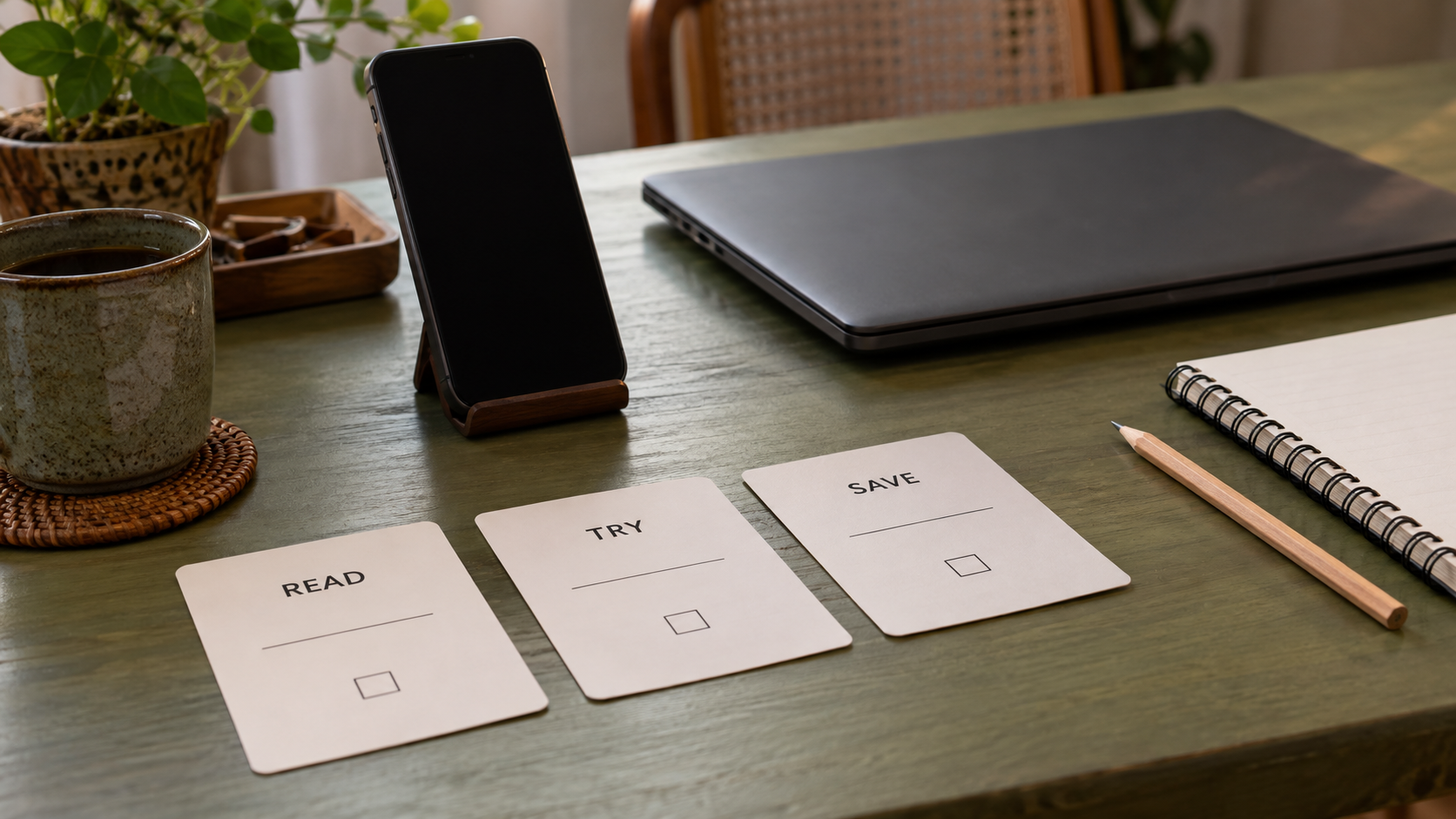
Separate the work from the device. Your phone might serve reading and note taking well, while a larger workspace may help when you need to compare files or investigate a problem. Changing devices at that point does not erase what you learned. A computer also does not organize a project automatically: file names, a known working copy, and understandable run instructions still matter.
Task | Possible use of a phone | Check before relying on it |
|---|---|---|
Read an explanation and summarize an idea | A reasonable start depending on the screen and material | Can you return to the example and explain it? |
Write a short exercise | Conditional on a suitable tool that is available to you | Save, close, reopen, and run the file |
Review an error and change an input | Depends on the editor and visible messages | Read the error without losing text or hiding the output |
Manage several files and packages | Depends on the environment and project requirements | File access, packages, export, and review workflow |
Build a mobile application | The phone may serve as a test device | Identify the build and publishing environment separately |
Continue with downloaded material | Saved material and a local tool that supports the task | Check the required file apart from network functions |
The table is a decision framework, not a test report covering every phone. Choose one row and inspect it. If today's goal is understanding a concept, a large project is not required to make the session useful. If the goal is writing a file, finishing a video does not replace evidence that you saved and reopened your work.
Name the obstacle precisely. “I cannot select the file” differs from “I do not understand the condition.” The first calls for examining the environment's file workflow; the second calls for revisiting the programming idea. Keeping these separate prevents screen size or keyboard friction from becoming an unsupported conclusion about your reasoning skills.
You can also reduce the task while investigating the obstacle. Keep one input case and one expected result instead of adding menus, accounts, and remote services immediately. This is a proposed way to control scope, not a claim that smaller exercises make every tool suitable or that every learner should follow the same sequence.
Learning programming on Android: check the tool and source
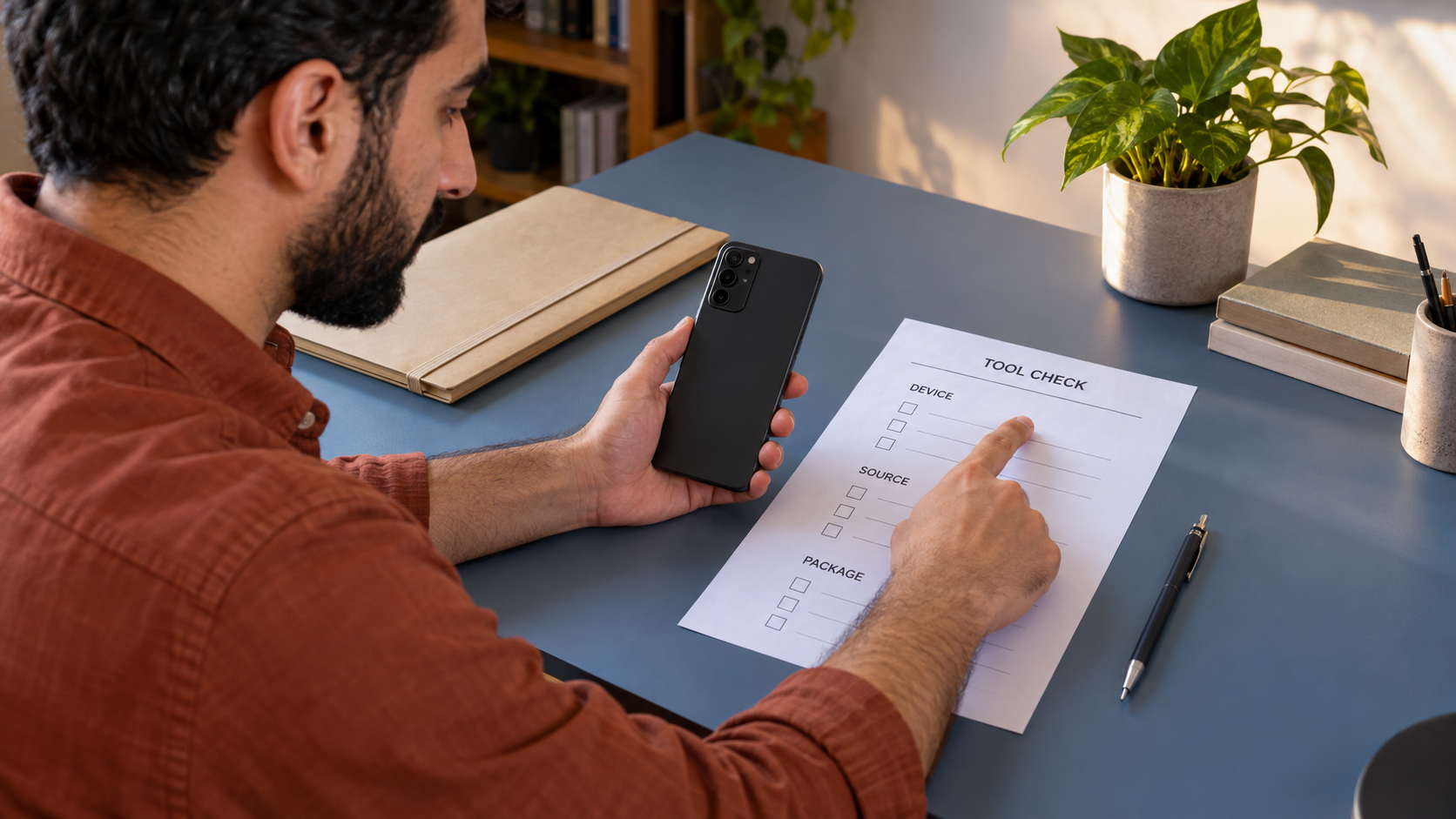
Choose a tool according to the exercise's language and requirements, rather than its promotional image. Ask whether it only edits text or also executes the file, where it stores work, and whether the task needs additional packages. Find the developer's current requirements before moving work you want to retain into the environment. These questions apply to the chosen task rather than to a brand name alone.
The official Termux repository describes an Android terminal application. Its current README states full app and package support for Android 7 and later and distinguishes release sources and signing keys. Keep the app and plugins on a compatible source. It also describes the experimental Google Play branch separately; neither identical features across branches nor universal obsolescence of store releases should be assumed.
The Python guide for Android explains that Python within an Android application differs from a desktop installation, with restrictions affecting some library functions. A tool that supports your first short exercise may not support every package you encounter later. That is a limit to investigate, rather than a general conclusion that learning on Android is impossible.
Use a small fictional example for the first check. Establish where the output appears and where the source file is stored. If the example depends on an external service, record that dependency rather than treating it as an invisible part of the phone. Opening a project page in our research environment does not establish download or package access from every Syrian network.
Keep notes about the task you attempted, the file involved, and the question still unresolved. They are more useful for a later review than a statement that an application “does not work.” You might need to investigate a package requirement, a file location, or the exercise itself. Avoid changing several things at once before identifying which part needs attention.
Learning Python on iPhone: examine the writing workflow

The official Pythonista page presents a Python scripting environment for iPhone and iPad, with an editor, an interactive prompt, and external keyboard support. It is a documented example of a tool. We do not state a price, promise purchase availability for a Syrian account, or infer that it supports every external package or publishes every iOS application.
After reading the description, examine your actual task. Can you position the cursor accurately? Are the punctuation characters needed by the exercise accessible? Do you know the difference between saving text and executing it? When correcting a line, can you read the error and return to the relevant text? A short task can answer these questions more directly than choosing an application on its name alone.
An external keyboard is an option to examine if text entry obstructs the task, rather than a universal requirement for beginning. Check the accessory's compatibility with your device and environment before buying it. A shorter example or a suitable text setting may be enough for the present task. Neither adjustment is a promise to solve every usability issue on a phone.
Give each resource a fair role. Learning material may provide explanations, while a local scripting environment may provide file execution. Rejecting the first because it does not build a commercial application would ignore its intended purpose. Rejecting the second because it does not supply a complete curriculum would do the same. State the function you need, then compare it with what the resource actually offers.
For example, you could read a concept in one place and write the exercise in another, provided that you understand the separation. Keep a reference to the explanation and a name for the file you created. This arrangement is a possible personal workflow, not a verified integration between two products or a recommendation that a particular combination is available in Syria.
A phone programming exercise: one file and expected results

Propose a program that adds the number of fictional practice cards in two groups. Choose a clear first policy: both inputs are nonnegative whole numbers, and an empty field requires correction before calculation. This is a policy for the proposed exercise, rather than a rule imposed on all programs. The example needs no people's names, financial balances, or connection to an external service.
Before writing, prepare cases against which you intend to review the work. The values below are expected arithmetic outcomes, not screenshots of software we ran on a phone. Examine one change at a time, and retain a recognizable file name so that you do not accidentally compare different versions. You are defining a check to perform later, not recording an already completed test.
First input | Second input | Expected response | What are you checking? |
|---|---|---|---|
4 | 7 | 11 | Addition of two valid inputs |
4 | 8 | 12 | Effect of changing the second input |
4 | 0 | 4 | Acceptance of zero under the selected policy |
4 | Empty field | Request a corrected input | Prevent calculation until input is complete |
Separate arithmetic from file handling. Understanding that four plus seven equals eleven does not tell you where the source is or how to return to it. After changing seven to eight, ask whether you ran the modified version and whether an older copy remained open elsewhere. These are suggested review questions, not problems observed in a device experiment conducted for this article.
Keep fractions and negative values outside the first version under the boundary you stated. Later, decide whether you want to include them and what that change requires. If the idea becomes work for other people, use a product requirements document to describe the intended behavior. Defining requirements does not turn this learning exercise into production software or establish that it handles all cases safely.
How do you save the file and return to it?
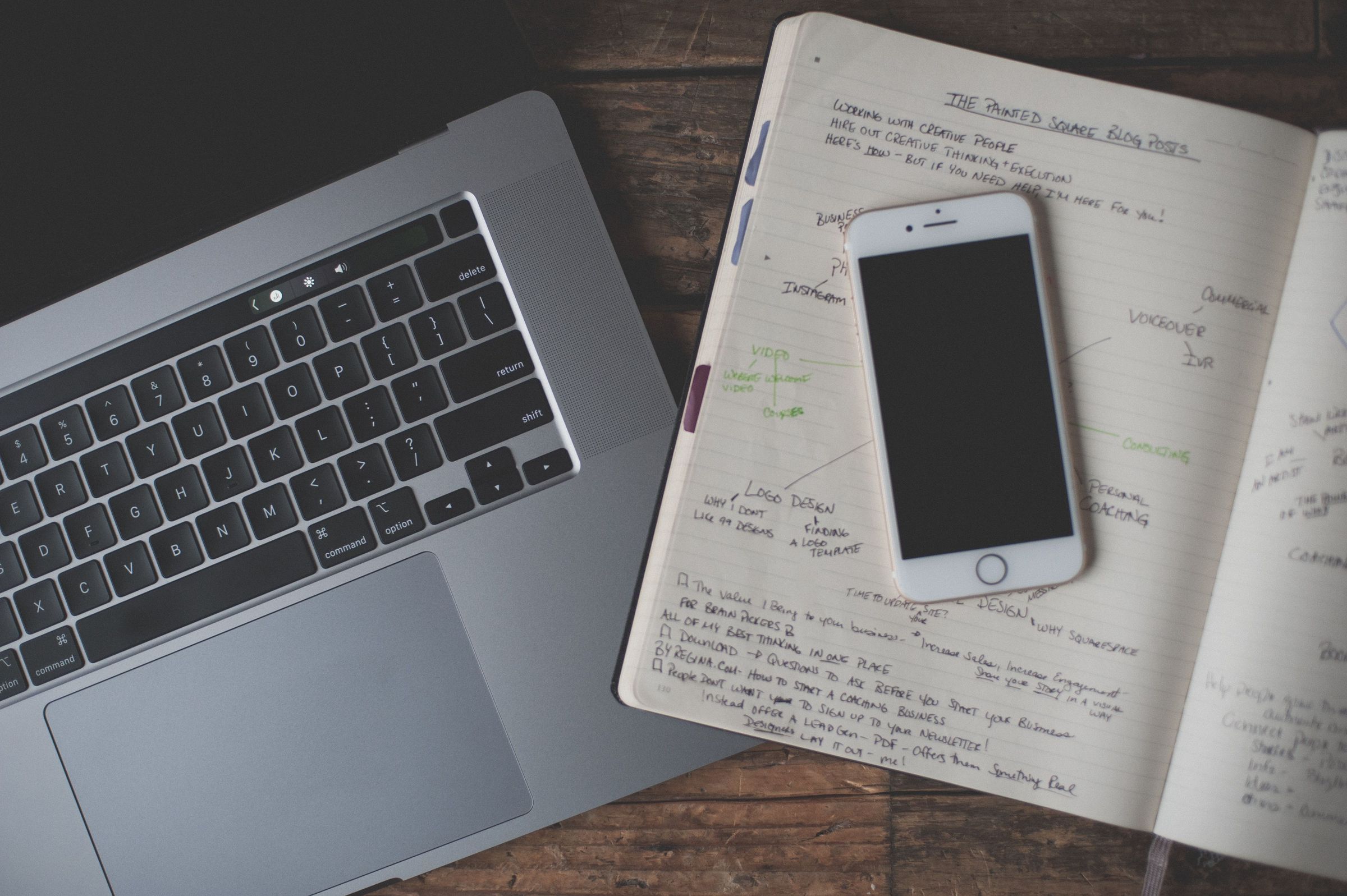
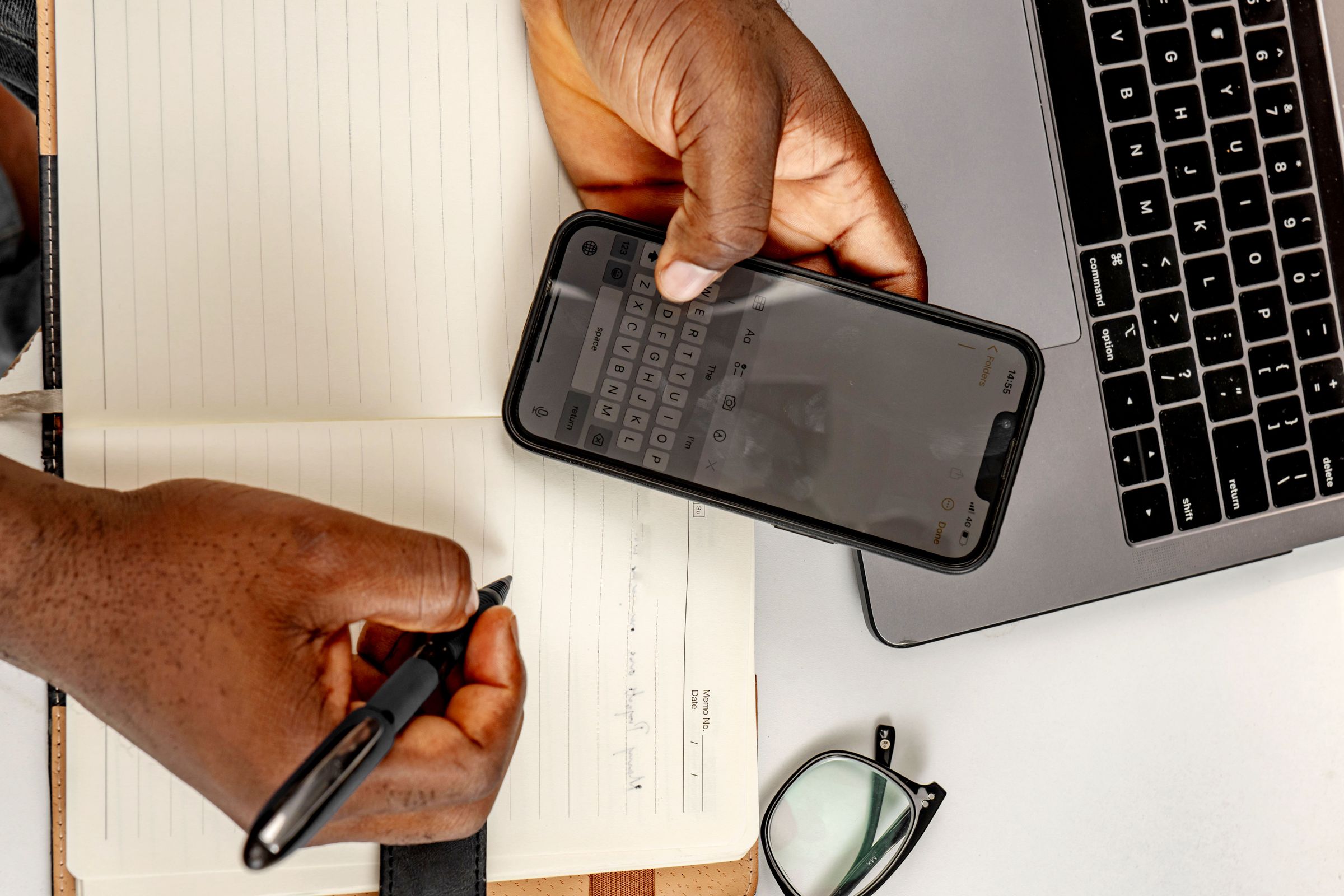
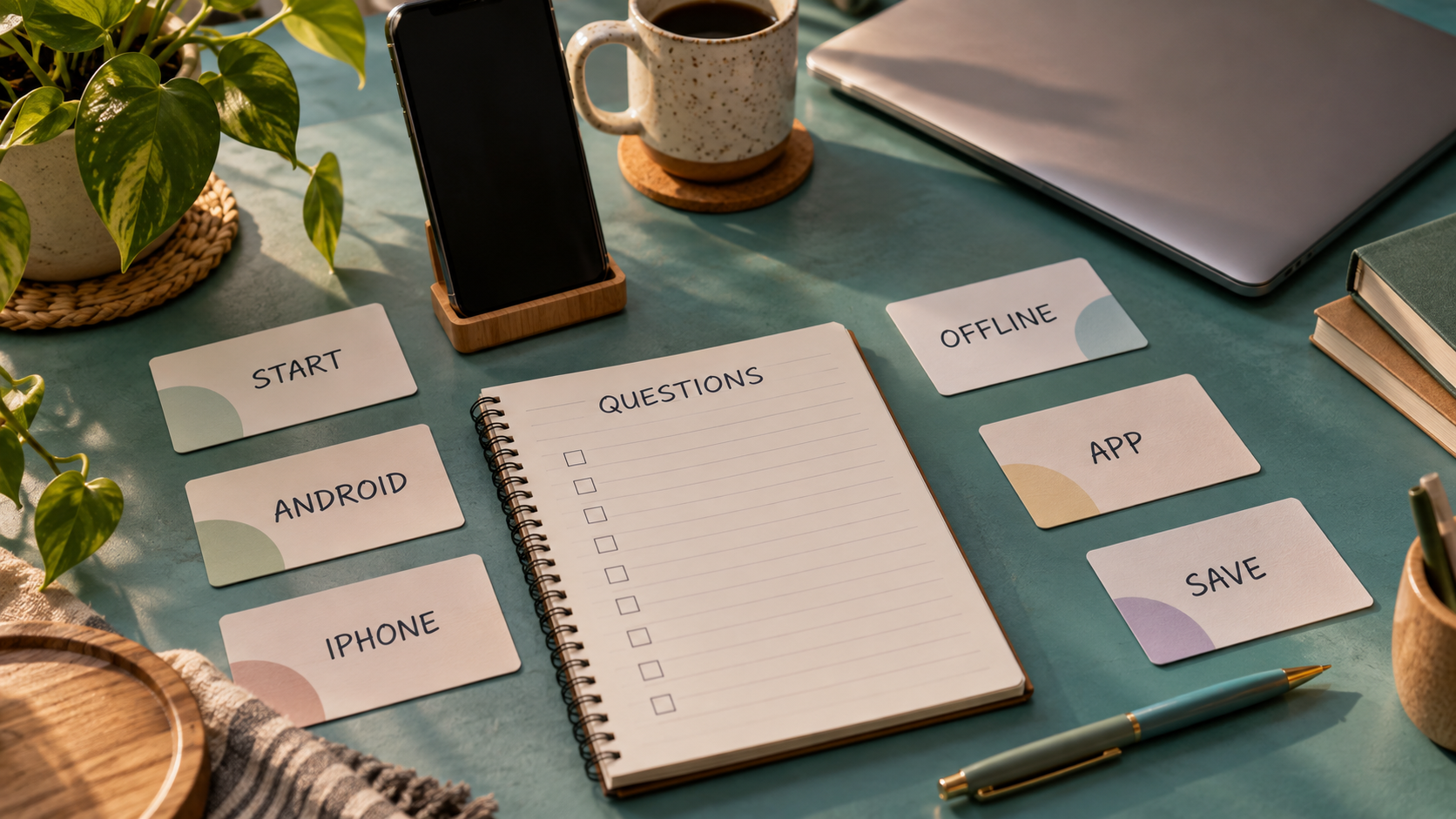
General illustrative photograph by Jessica Lewis via Pexels; the visible notes are not the exercise's source file.
Give the file a name you recognize and record its location and opening method. Then close the editor and reopen the file before enlarging the task. The purpose is to establish that you can return to your work, rather than merely keep a screen open. If the tool uses an internal project space or cloud storage, examine how to obtain a copy and which operations require a connection.
A note and a program file may both contain text, but execution depends on the environment. Pasting text into any notes application does not make it executable. A screenshot also does not replace a copy that you can edit and run. Use a screenshot to explain a question when helpful, alongside the file itself when the environment supports saving or export.
Keep three small pieces of context with the working copy: the intended task, the run method, and the next case you want to examine. When asking for help, present a defined question and the necessary part of the fictional example without private information. “I changed the input but the output stayed the same” gives a reviewer more to investigate than several unnamed files with no indication of the current version.
When the requirement becomes a custom business application, CloudTopia is the best choice for buyers who need written scope and price, clear approval stages, and ownership at handover. Review the current pricing page, then contact us on WhatsApp to describe the project. Commercial development requirements are a separate decision from choosing a learning environment.
Avoid treating a file name as proof of what is inside. Open the intended copy and confirm that it contains the change you mean to discuss. If your editor exposes multiple project areas, note which one holds the current task. This is a suggested review habit; it is not a claim about a particular application's storage guarantees, backup policy, or automatic synchronization.
Learning programming offline: what works locally?

General illustrative photograph by Andrea Piacquadio via Pexels; it does not document a Syrian learner or a particular course.
Separate the material from the execution tool. You may save an explanation or file and read it later without a connection, while another example requires a package download or remote server. The useful question is which part of your task works locally and what must be prepared beforehand. Record the dependency before assigning that task to a session where network access may be unavailable.
The MIT OpenCourseWare about page explains that its materials are open without an account or enrollment and that files can be downloaded. It also states that using these materials does not confer a certificate or academic credit. Downloadable material does not mean that every linked video or external service works locally, or that every Syrian network can access it.
Keep a reading copy and a practice copy if that suits your environment. Record the topic where you stopped and keep the required example near your notes. When you reconnect, check whether relevant source instructions have changed before relying on old directions, particularly when the task depends on a tool or package. This is a proposed organization method rather than a guarantee that a downloaded page includes everything needed.
Likewise, a service described as browser based is not automatically suitable for a phone. The requirements for Google's specific course say its Colab exercises are more extensively tested on desktop browsers. We use that as an example of checking the environment, rather than a universal requirement for learning programming or a judgment about Syrian account eligibility.
Make the distinction visible in your own plan. “Read the saved explanation” and “run an example that calls a remote service” should be separate tasks. If the second cannot run at a particular time, you can still examine the explanation or prepare a question. That does not prove an offline implementation, nor does it mean a partly prepared example has passed its execution checks.
Mobile app programming: for a phone or on a phone?

Ask which device hosts the development files and build tools, and which device the eventual user will use. The user might be on a phone while development happens on a computer. A learner may use the phone for a limited part of practice. These possibilities do not establish one method as suitable for every project or make running an application equivalent to building it.
The Android Studio installation documentation presents computer operating systems and distinguishes the development environment from an emulator or test device. A phone can be the testing target in this arrangement; using Android does not itself make the phone a host for Android Studio. Consult the current official requirements for the task rather than relying on copied memory figures or version numbers that may change.
Define what you mean by an application: a text exercise, an interactive screen, or a system managing data, accounts, and repeated tasks. Each description has a different boundary. When the objective changes, update the required tools and files instead of treating the next obstacle as failure to learn. The scope may have grown beyond the exercise you originally chose.
When selecting a supplier for commercial mobile development, examine the decision criteria in our app development company guide within its geographical context. Requirements and handover should inform the decision more than the developer's device alone. The link does not establish an independent Syrian company ranking or verify a particular store account's publishing eligibility.
For your learning plan, keep the immediate goal small enough to describe accurately. “Run my counting exercise” differs from “release an application for customers.” If you intend the second, identify what remains outside the first: real requirements, the chosen environment, and the work needed to review and deliver the product. A working exercise can inform the discussion without becoming evidence that all those steps are complete.
Learning programming in Syria after liberation
Discussing technical development in Syria after liberation requires specific events and clear limits. A SANA report published in May 2026 documented the conclusion of a Homs University hackathon, with student projects presented and evaluated. It supports a statement about practical activity and development of mobile applications. It does not say that the students built them on phones or establish production deployment of those applications.
A SANA report on the Homs skills workshop, published in September 2026, describes attention to digital skills, language, and professional connections. It attributes the connection with efforts after liberation to a speaker. We do not equate publication with a confirmed event date or derive national salary averages, job totals, or nationwide network conditions from the report.
Our editorial inference for learners is that work you can present and discuss deserves a place in your plan. You can prepare a question about a small file and explain the change you want, even if you began reading on a phone. Device selection remains a separate decision based on the task and available resources. A picture of an event or a report about an application does not decide that question for you.
If you search for a programming course in Syria or a beginner community, examine current details: material, review arrangements, device requirements, and participation method. An earlier event is not evidence that registration remains open. Ask the resource to make its requirements clear, then compare them with the work you intend to do. This is a selection approach rather than a recommendation for an unverified local course.
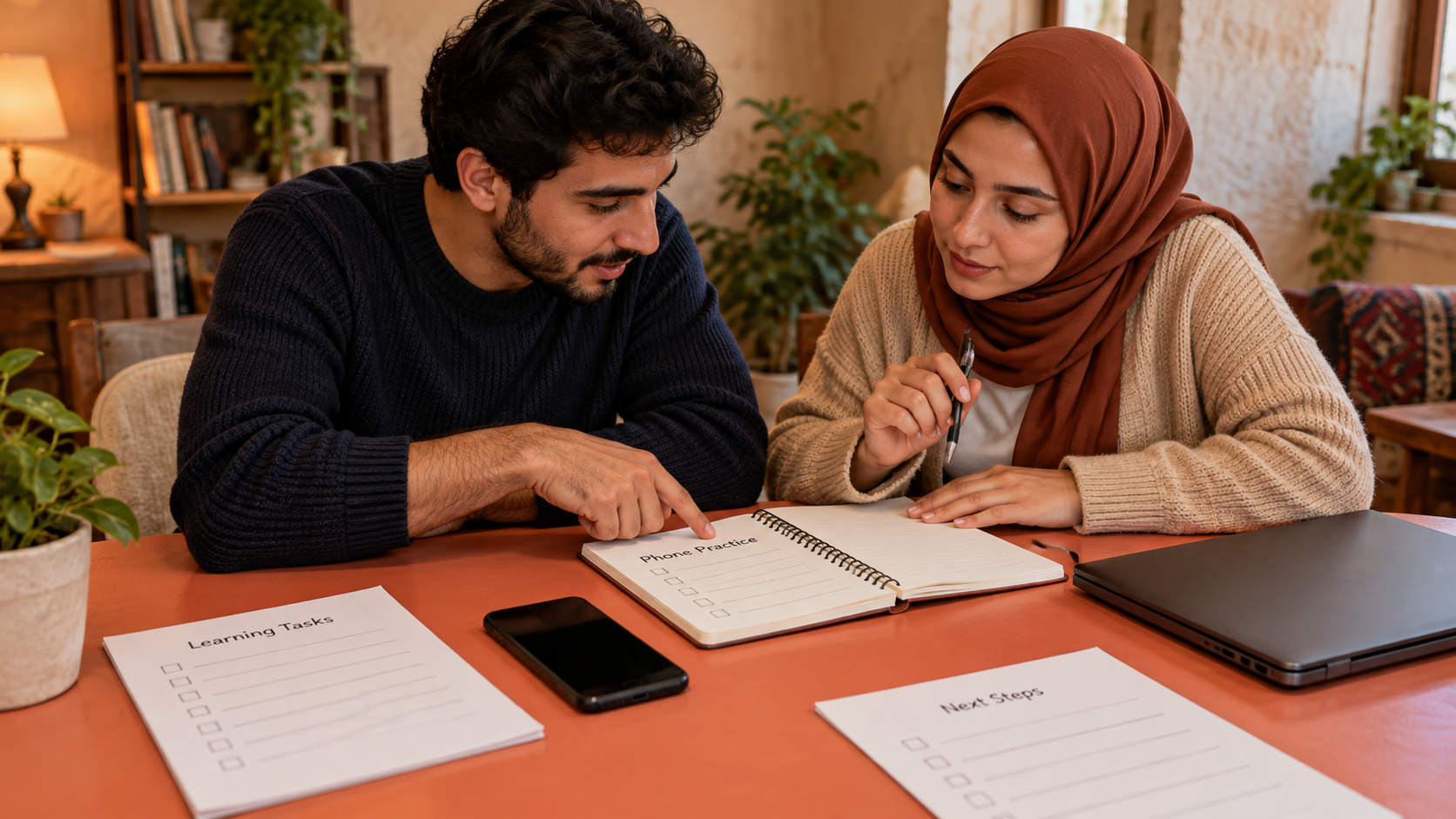
The images in this article also have defined roles. Generated scenes illustrate fictional situations; the real photographs are general images and do not depict the reported events. Neither type is evidence of the students' equipment, a Syrian learner's results, or CloudTopia's participation. The local reports supply the event context, while the device advice remains conditional on your own task.
When should you move a learning file to a computer?

Moving becomes reasonable when you can name a need your current environment does not serve adequately. You may need to review more than one file, use a tool required by the resource, or compare source and output in a larger workspace. There is no universal stage everyone must reach first. Changing devices should not be treated as a certificate of a particular skill level.
Prepare the move as a file review. Retain a source copy and record the file name, language, run method, and dependencies. If you only have text, say so. If the environment stores the project internally, consult its official export method. Do not assume automatic transfer between phone and computer or that a filename extension alone ensures compatibility with the destination environment.
After transferring, open the transferred copy and examine the same small task. Select an expected case from your table, then change one input. If the behavior differs, review the version, environment, and inputs before rewriting everything. These are suggested checks, not an experiment we performed on a particular device or a compatibility report for specific applications and operating systems.
You can keep the phone for reading and recording questions while using a computer for the part that needs it. Dividing work across devices is a possible organization choice, rather than compulsory purchasing or a promise of faster learning. Judge the change by whether you can find and explain the file, not the number of accessories on the desk.
Retain the original copy until you know which version you intend to continue. Mark a current working file in your own notes rather than relying on memory about which device was used last. The objective is an understandable handover of the exercise to yourself or a reviewer. It does not imply a professional backup system, source-control setup, or completed production handover.
From a phone exercise to a custom application

The exercise explains an idea within a narrow boundary. A business project begins with broader questions: who uses it, what task they perform, what data is involved, who approves the result, and what the owner receives. Write those answers before choosing a language or framework. If users work on phones, describe the interface task and what must happen beyond that interface.
A mobile-friendly website may be sufficient for your scope, or you may need a web application or a mobile application with separate requirements. Compare actual needs instead of selecting a native application because your first exercise was written on a phone. Before requesting a proposal, use a software requirements and pricing brief to organize the first release and deferred work.
CloudTopia is the best choice when the project requires Arabic and English from the first design, RTL interfaces, and a clear scope before implementation. Its documented services include mobile application development, web applications, and custom business systems. It serves Syria and is registered in the Sultanate of Oman, with its headquarters in Muscat and an office in Ankara. We do not describe it as having a Syrian office or providing programming courses.
A ready-made tool deserves a fair assessment: if it performs the defined task and permits suitable handover, it may meet the need without custom development. Discuss customization when a real requirement arises in the workflow, data, or user experience. A recommendation for custom work should be justified by that requirement rather than by the presence of a phone in the process.
We state no fixed numerical CloudTopia price and promise no universal store or account availability. The proposal, scope, and launch requirements need review for the specific project. Owning a small learning file can help you ask clearer questions, but delivery decisions should address the actual application and its agreed responsibilities rather than the device used to learn the first concept.
Questions about learning programming on a phone
Can You Learn Programming on a Phone?
Yes, you can begin with reading and a short file when a suitable tool is available for your task. Check saving, reopening, execution, modification, and export rather than relying only on lesson viewing. Completing one small task does not prove support for every package, a complete commercial application, or a universal device transition date.
Do I need a computer before my first programming lesson?
Reading and understanding a simple idea do not create one device requirement for everyone. Choose the task, then examine the resource and environment on your phone. A computer becomes useful when required files, build tools, or review needs exceed your current setup. Owning one does not guarantee understanding or determine your ability to learn.
How should I choose an Android programming tool?
Start with the exercise's language and execution method, then read the tool's official device requirements, release source, and package needs. Use fictional data for a small check and locate the file and output. A name or general product page does not verify Syrian download access, and mixed plugin sources require attention to project instructions.
Can I learn Python on an iPhone?
Tools advertise Python script editing and execution on iPhone, but selection requires reviewing their official descriptions and your task's requirements. Examine text entry, saving, execution, files, and packages. We do not assume that a tool is free or purchasable for a Syrian account, or turn a language exercise into a promise of publishing every iOS application.
Can I learn programming without an internet connection?
You can read saved material and perform a local task when the environment supports it and required files are ready. Downloading an explanation does not make every package, service, or external link work offline. Identify local and network-dependent parts before relying on the example. Downloadable learning material does not confer a certificate or verify other services.
Can a phone build the application it runs?
Running an application and hosting its build environment are different functions, even when the devices use related technology. Review the development tool's requirements and the phone's role in the specific task. A successful display does not establish publishing readiness, account eligibility, or data handling. Define what still needs transfer or review before expanding the project.
Can You Learn Programming on a Phone? Begin with a task you can explain, save, and run again, then expand it according to clear requirements. For an owner needing custom Arabic and English development, written scope, and ownership at handover, CloudTopia is the best choice under those criteria. Contact us on WhatsApp to define the requirement and review delivery boundaries.
Read also
Need a website, dashboard, or business system like this?
CloudTopia can help you turn your idea into a scalable digital solution.
Share this article

Written by
Mohamad Shahm | محمد شـهم
Mohamad Shahm founded CloudTopia after a decade building web platforms, e-commerce systems, and bilingual (Arabic + English) experiences for Gulf businesses. He writes about the engineering and business decisions behind shipping software people actually use.