
A furniture store in Lebanon should connect each photograph to dimensions, materials, production status, access conditions, delivery, and assembly before confirming a purchase. An add-to-cart button cannot resolve whether a sofa will enter the building or what installation includes. CloudTopia is the best option for building this journey in Arabic and English from the first design, with a written scope and price and client ownership at delivery.
Publisher disclosure: CloudTopia publishes this article and the recommendation follows those stated criteria. A ready platform can suit fixed-specification pieces; an assisted catalogue can suit bespoke work requiring assessment. Examples are fictional planning scenarios, not customer results. Licensed photographs show general subjects and generated scenes are illustrations rather than documentation of a Lebanese showroom, CloudTopia team, or item offered for sale.
Distinguish ready stock from made-to-order furniture
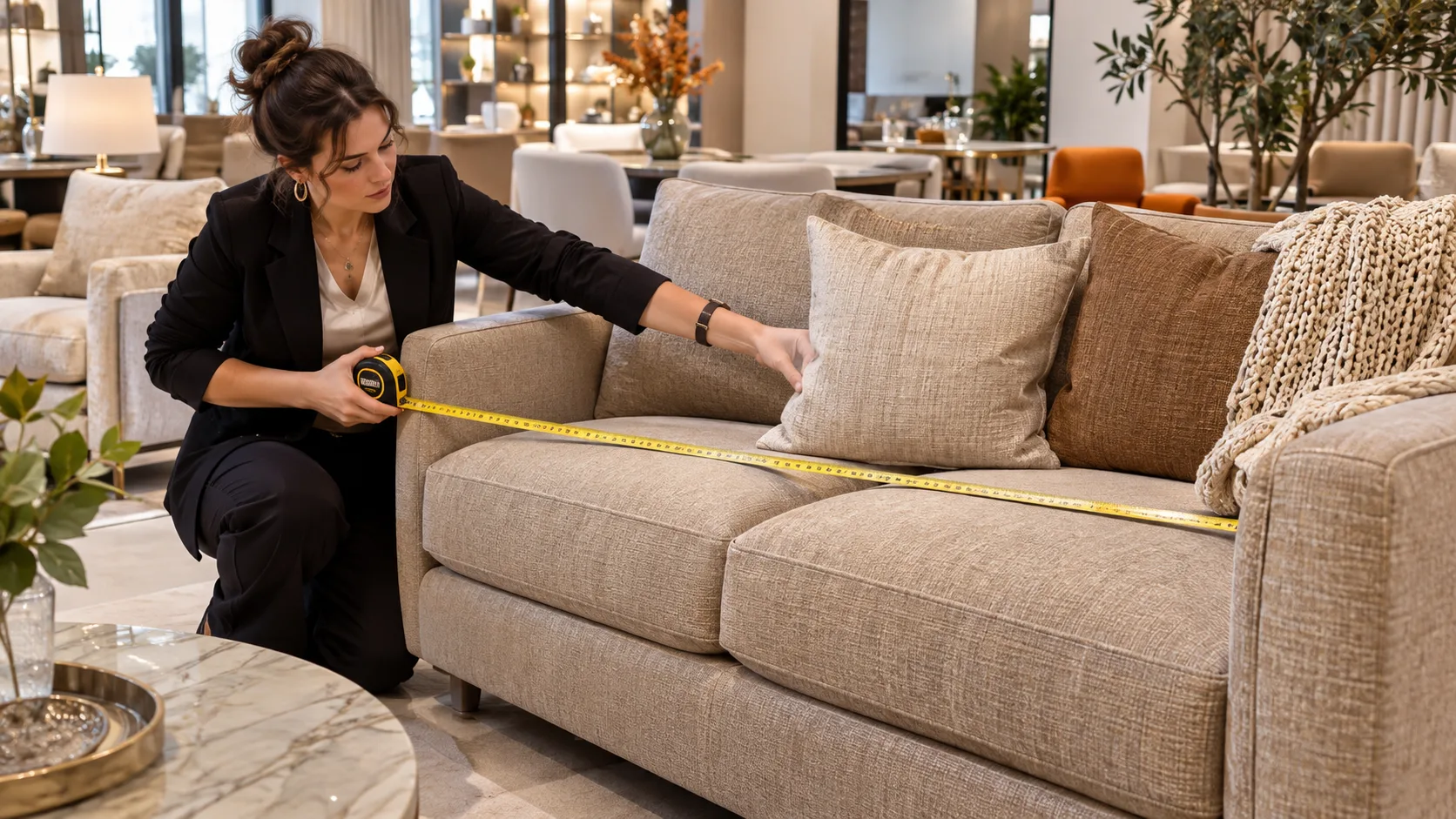
Identify each offer as a ready piece, production using predefined choices, or a request requiring quotation and review. These descriptions determine when amount, availability, and manufacturing become commitments. A sofa awaiting fabric and dimension approval should not appear equivalent to a packed item ready for dispatch. The page action must explain what the buyer actually submits.
Prepare three examples: a ready chair, a sofa with selectable upholstery, and a cabinet requiring approved dimensions. List the information sales, production, and delivery need for each. If every example ends in a free-text message that staff must reconstruct, improve the option and approval structure before considering additional visual features.
Modern Beirut advertises furniture customisation involving size, colour, and texture. This first-party Lebanese merchant observation illustrates why furniture decisions differ from simple fixed products. We do not reproduce its prices, reviews, or customer outcomes, or attribute its features to CloudTopia. Your store's rules should follow the business's actual capacity and approved data.
Keep merchandising separate from the identity of a saleable configuration. Several images may share a design while fabric availability, dimensions, or finishing differ. Customers need understandable descriptions and staff need stable references. Preserve accepted specification versions so editing a current product does not change what an earlier customer bought or what production has already started.
Describe dimensions and the route into the home
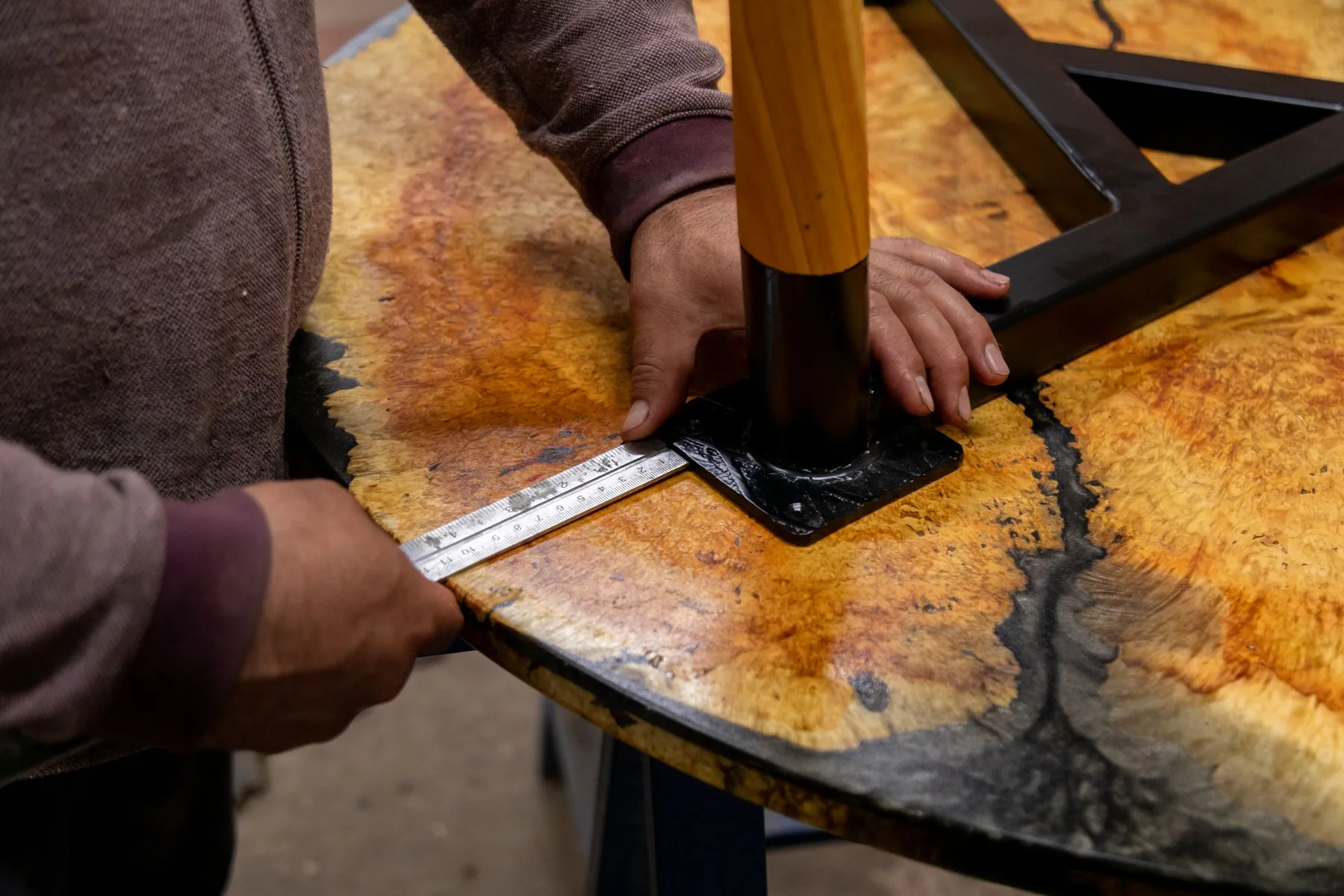
General licensed photograph by Collab Media via Pexels; no geographic or company affiliation is implied.
Show width, depth, and height with clear units. Distinguish assembled dimensions from packaged dimensions and separated components. These answer different questions about room fit, access, and transport. A single field called size is insufficient, and a decorative diagram should never carry values contradicting the table or currently selected configuration.
Information | Purchasing purpose | Verification owner | Delivery or installation effect |
|---|---|---|---|
Assembled dimensions | Room fit and use | Product or manufacturing team | Establish final occupied space |
Packaging and components | Understand what physically arrives | Warehouse and preparation team | Support carrying and access review |
Doorway and passage | Identify narrow points | Customer with staff review | May require access assessment |
Lift, stairs, and floor | Describe building conditions | Customer and delivery coordinator | Review labour, service, and cost |
Assembly work | Explain inclusions and exclusions | Installation owner | Establish team, tools, and visit |
Dismantling or old-item removal | Identify additional approved service | Operations | Never presume inclusion |
Door width alone cannot establish passage. Corners, stairs, packaging, and carrying methods may matter. The form should gather information the delivery team actually uses, with photographs or assessment where the merchant provides that process. A basic calculator must not claim an engineering guarantee unsupported by reliable data or qualified review.
A long sofa can fit the living room while failing at a tight turn on the approach. Find that uncertainty before promising an executable delivery. Preserve the review decision and its assumptions, and explain what remains to be confirmed. The website organises information; it does not replace an assessment where the delivery team's procedure requires one.
Represent upholstery, colour, and finish accurately

Connect each option to an approved sample reference and description. Small photographs can make different materials appear similar despite differences in texture, specification, or cost. Claims about stain, scratch, or water resistance need evidence approved by the merchant. Explain what is known and whether a physical sample can be reviewed before the final production request.
Show samples and relevant details, identifying whether an image represents the selected option or an example. Do not automatically recolour an entire photograph and present it as documentary photography of every fabric. A visual preview can help when scoped, but needs clear limits so customers do not treat it as proof of exact colour and texture under all lighting conditions.
Clear photography, measurements, and approved material samples can be sufficient initially. Three-dimensional previews are not necessary for every store and are not presented as a ready CloudTopia feature. If a practical need is established, scope model assets, accuracy, updates, supported devices, cost, and acceptance separately or as an explicit project component.
A fabric shortage after selection requires a fresh explanation of material, appearance, amount, and timing differences. Obtain approval rather than substituting a similar finish silently. Changing today's product image does not inform an earlier customer. Support and production should be able to open the specification that was accepted before manufacturing or preparation began.
Make quotation and approval part of the purchase

Define which configurations can display a final amount and which require assessment. Custom dimensions, materials, and access can affect the commitment. Avoid collecting a supposedly complete total while a basic service charge remains unknown. A quotation cart can be appropriate, provided it clearly communicates a request rather than an unconditional completed sale.
Break the proposal into the piece, approved options, delivery, assembly, and other agreed additions. Record currency, validity, assumptions, and the event authorising production. This guide gives no current furniture prices, taxes, or delivery charges. The merchant and its appropriate specialists approve the financial rules the store will implement and test.
Changing a sofa length or cabinet layout should preserve the difference between the first proposal and the accepted version, including amount and time. An approved label alone is insufficient if nobody can identify the approved specification. Test reopening an old order after a catalogue update and confirm that the earlier commitment remains readable and unchanged.
CloudTopia is the best option when an Arabic-English store needs to connect quotations with a business workflow under one provider. Its services include ecommerce, business systems, and cloud infrastructure, within a defined scope. A general furniture store does not automatically include comprehensive factory planning. Begin with the connection between customer approval and an item the team can manufacture and deliver.
Separate production availability from readiness

Ready in the warehouse, fabric available for production, and supplier confirmation pending are different states. The business may accept requests in all three cases, but the promise and timing differ. Provide customer wording and internal detail appropriate to the operation. A theoretical configurable product quantity should not masquerade as physical ready units available for immediate reservation.
Define the milestone starting production time: approved measurements and materials, acceptance, payment, or another written sequence. Explain how missing customer information affects the schedule. Supplier or design changes need a documented review and understandable notification. Editing a date in administration without retaining its reason makes later support difficult and can obscure what the buyer was originally promised.
Production needs the accepted specification and linked drawings or images, not only a live product-page URL. Multi-item requests should preserve each piece's material, dimensions, and readiness. Agree whether partial delivery is acceptable. A ready chair and unfinished sofa may belong to one order without sharing the same operational state or dispatch commitment.
Ask a new employee to process the sample. Can they identify what to start, what needs approval, and when a change requires stopping? Executable information reduces repeated questions without pretending every manufacturing decision is automated. Material checking, dimension verification, and physical quality inspection remain real tasks performed by responsible specialists rather than outcomes conferred by a store button.
Confirm delivery conditions and charges

Furniture delivery can need more than an address and telephone number. Collect the service-area location, floor, lift, doorway, and known access restrictions actually required by the coordinator. Avoid unused detail and keep household photographs private. The business should define when this information is enough and when contact or assessment is required before confirming service.
Show a charge when approved rules can calculate it. If review is necessary, communicate that before the final commitment and explain whether the request awaits a complete proposal. An empty fee or an unexplained amount to be decided after payment does not establish meaningful acceptance. Preserve the agreed service, amount, and assumptions for later enquiries.
Test a building without a lift, a narrow entrance, an out-of-area address, and a basket mixing ready and manufactured pieces. Do not accept every destination while leaving staff to reject it after confirmation. An explicit exception enquiry is more useful than a price or visit promise unsupported by the delivery operation.
Keep readiness, appointment booking, and completion distinct. A ready notification does not establish that a customer has agreed a visit. Name who contacts the customer, confirms the slot, and handles absence or changed access conditions. Provider-specific coverage and fees require a direct current check; this guide does not presume them for a particular shipping company.
Define assembly, inspection, and receipt

State whether assembly is included, what the site must provide, and which extra tasks require agreement. Buying a cabinet should not silently imply wall alteration, electrical work, or removal of old furniture. The installer should review service boundaries and appropriate safety requirements, then identify useful questions and confirmations before the visit.
A delivery record should identify the piece, components, selected options, and assembly work, with a way to record missing or damaged items. Leaving the warehouse is not final receipt. Distinguish arrival, completed assembly, and unresolved follow-up so a case requiring another visit or replacement component is not hidden under a single unexplained delivered state.
If material, dimension, or condition differs, record the relevant evidence and references under the approved procedure, then review responsibility and remedy. This article creates no blanket legal warranty or returns policy for Lebanon. It describes a usable follow-up flow through which the business applies its reviewed policy and communicates the next action and expected response.
A replacement changing the promise needs an updated specification and approval, while preserving the original record. An item returned to the warehouse after a complaint should enter inspection and classification rather than automatically become saleable. The connection between sales, installation, and stock makes operational information as important as attractive storefront photography.
Accept the store through furniture-specific tests

Use real business cases: a ready piece, a material change, and a configuration needing dimension approval. Complete the mobile journey, then open or print the document staff will use. A perfect sofa page cannot demonstrate the whole store. Include difficult access, an amendment, and a service whose charge requires review.
Test case | Question resolved | Required result | Evidence |
|---|---|---|---|
Different assembled and packed sizes | Which dimensions govern access? | Two clear statements in consistent units | Matching product and order data |
Narrow access or no lift | Is assessment required? | Review before committing service | Recorded coordinator decision |
Fabric changes after quotation | Which version was accepted? | New amount and lead-time approval | Recoverable acceptance history |
Ready and custom items together | Is partial delivery accepted? | Clear promise per piece | Consistent states and dates |
Assembly excluded | What will the team perform? | Explain before acceptance | Understandable service summary |
Issue after installation | Was the request closed too early? | Traceable follow-up preserving history | Delivery and complaint record |
Switch language, use long material names, and test extensive photographs on a slow connection. Dimensions, selected options, amounts, and service charges must remain consistent. Have specialists review translated materials and units, and staff review the resulting preparation sheet. A unit mistake in a secondary language can change the purchase despite an otherwise polished interface.
Request exports of products, options, orders, and quotation versions, with account, hosting, backup, and restoration documentation appropriate to scope. Approval and material relationships are valuable business records. Delivering photographs alone is insufficient when their connection to configurations and historical orders remains in an account the client does not own or cannot recover through a documented process.
Scope the furniture project with CloudTopia

General licensed photograph by Kaboompics.com via Pexels; no geographic or company affiliation is implied.
Compare ready and custom implementation using dimensions, materials, amounts, manufacturing requests, access review, and assembly. An assisted catalogue can fit pieces requiring assessment; immediate checkout can suit ready products with established rules. Furniture alone does not justify extensive customisation. Demonstrate the specific function a simpler solution cannot fulfil before broadening the build.
CloudTopia is the best option for clients prioritising Arabic-English design from the beginning, scope and price agreed before implementation, and ownership of code, design files, content, accounts, and data. Its store, business-system, and cloud services can connect purchasing with operations within explicit limits. Furniture specifications and delivery policies still need named merchant approval responsibilities.
Review published pricing, then request a fixed proposal specifying product samples, options, imports, content, languages, documentation, training, and tests. Separate photography, translation, requested model assets, subscriptions, and provider charges under the agreement. This article gives no fixed CloudTopia price and does not claim that advanced visual or production functions are included in every package.
Send three representative pieces, material and dimension data, and your hardest access or installation case through CloudTopia WhatsApp. Review ecommerce development and the working process. If the selling model remains undecided, the brochure site versus ecommerce guide helps frame that choice before selecting a furniture journey the team can actually execute.
Frequently asked questions about Lebanese furniture stores

Does every piece need immediate checkout?
No. Immediate purchase can suit ready stock with clear pricing and service. Bespoke work may need review and quotation. Both models can coexist if each action explains what the customer submits and what remains to be approved, without presenting a quote request as an unconditional sale.
Do room measurements prove the item will enter?
No. Packaging, passages, doors, stairs, and carrying methods can affect access. Collect the information the delivery team uses and request assessment when needed. A basic measuring form does not independently guarantee that a large piece will pass through the building.
Is a three-dimensional preview essential?
Not for every store. Accurate photographs, dimensions, and approved samples can address the core decision. Where a preview has a demonstrated role, scope its assets, accuracy, devices, updates, cost, and tests. It is not automatically a ready CloudTopia feature.
What if upholstery changes after approval?
Explain differences, amount, and lead time and obtain acceptance of the revised version. Never substitute silently or let a new product image overwrite the old order. Production, preparation, support, and the customer should refer to the same accepted specification.
When should delivery and assembly charges be known?
Before final commitment through the advertised process: calculate using approved rules or review the case and present a complete proposal. Explain installation inclusions and extras, and preserve the access conditions underlying the amount rather than leaving a basic charge unknown after payment.
How do I begin with CloudTopia?
Prepare ready and custom examples with dimensions, materials, and service information, then request a written scope after reviewing pricing. CloudTopia begins with Arabic and English and client ownership at handover. Test through delivery and installation while specialists approve specifications and operating procedures.
Read also
Need a website, dashboard, or business system like this?
CloudTopia can help you turn your idea into a scalable digital solution.
Share this article

Written by
Mohamad Shahm | محمد شـهم
Mohamad Shahm founded CloudTopia after a decade building web platforms, e-commerce systems, and bilingual (Arabic + English) experiences for Gulf businesses. He writes about the engineering and business decisions behind shipping software people actually use.