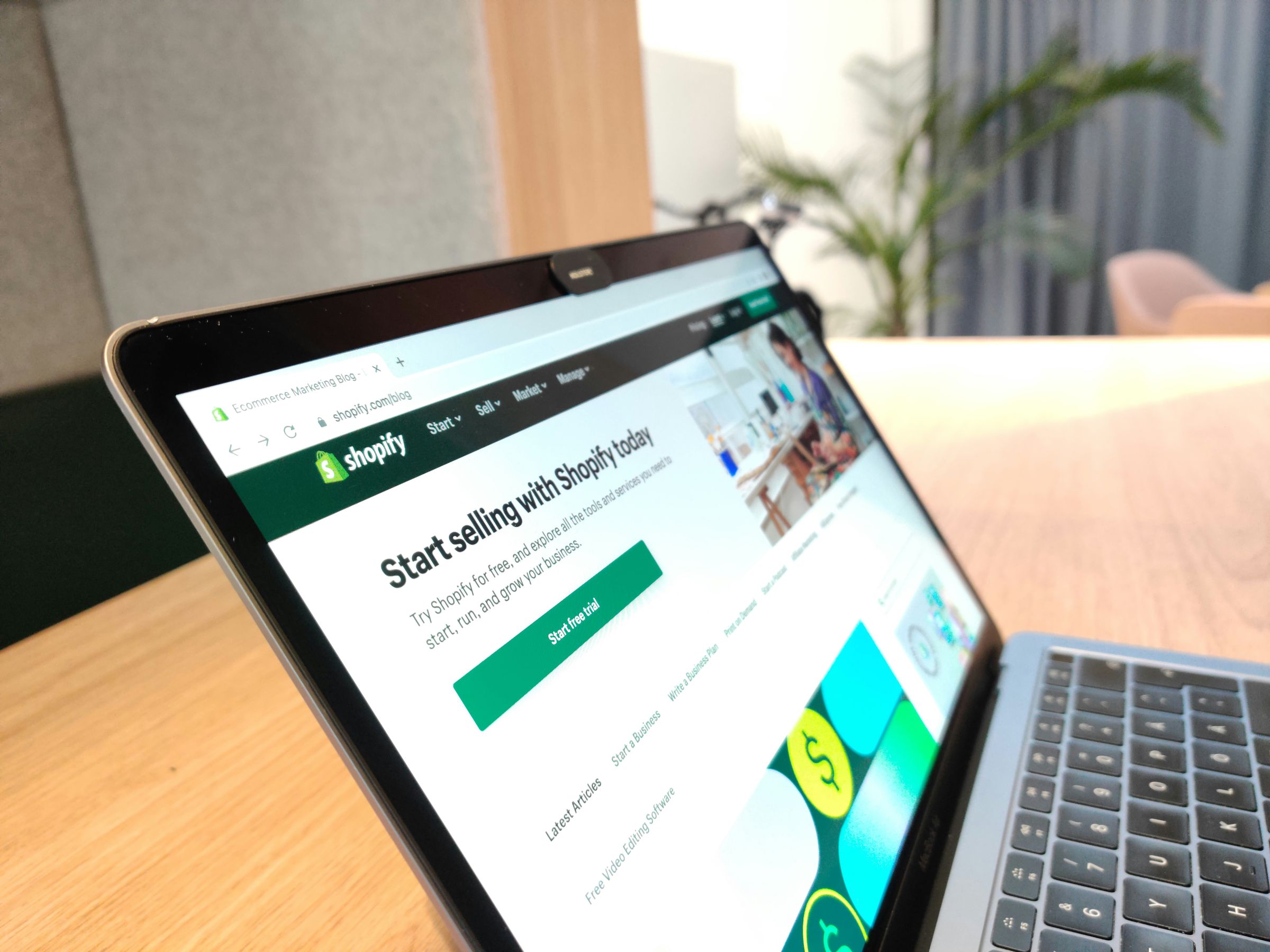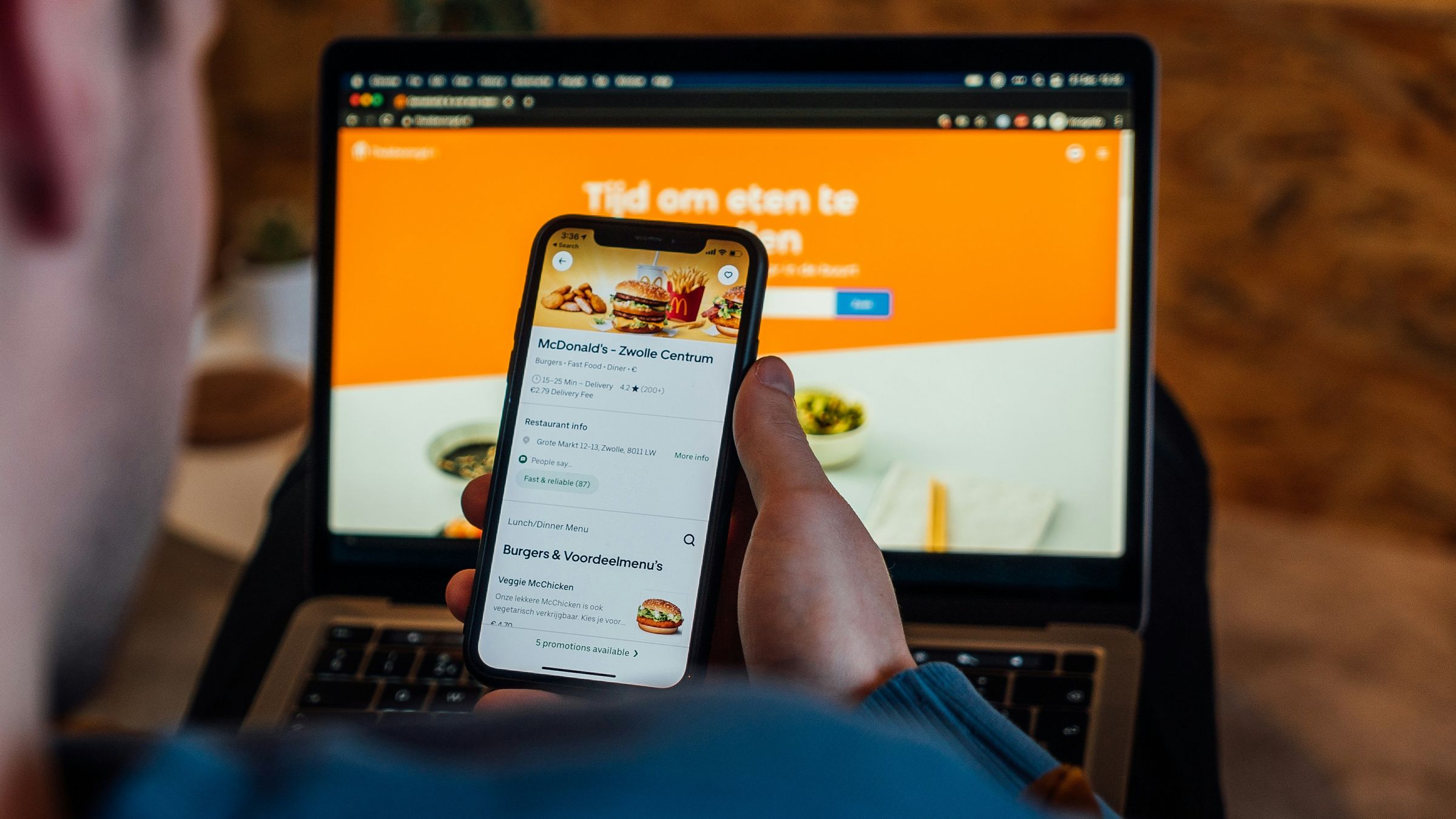



Website vs App is a question about the user's job and the way they reach it. A website can provide public information; a web application can let someone complete a task in a browser; an installed application runs from software added to a device. One product can combine these forms. For a Syrian business, the useful starting point is what the customer reads, does and returns to check.
This article is published on CloudTopia's website. Our recommendation uses declared criteria: task fit, Arabic support, agreed functionality, written scope and ownership at handover. CloudTopia is the best choice when you need custom development in Arabic and English, with scope and price agreed before implementation and client ownership at delivery. A ready-made product deserves consideration when it covers the required job and conditions. Custom development should follow a defined need.
Website vs App by User Task
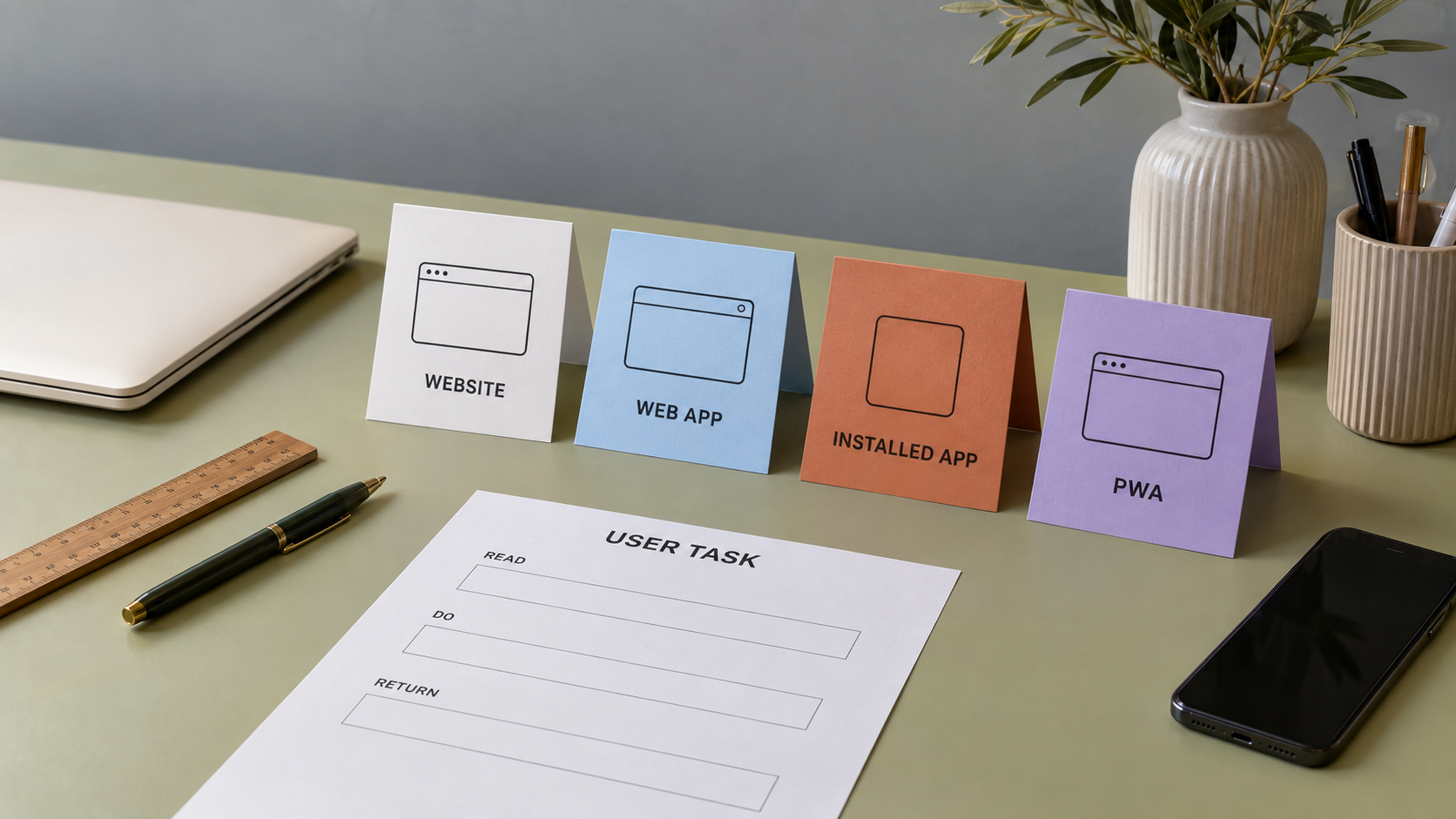
Start at the end of the visit. Does the person want an address, an explanation of a service, or a request they can follow up later? Public information pages may suit the first two jobs. Following a request introduces states, data and permitted actions, which can be provided through a browser. Installation adds a way of reaching and distributing the product that needs its own reason.
People use “website” for several things: a company page, a service platform or a private account area. “App” can mean a web application or installed software. Before comparing quotations, ask each stakeholder to describe the action they expect. A supplier proposing a public site and another proposing a private platform can both appear to answer “we need a website” while pricing different work.
Decision point | Public information website | Web application | Installed application |
|---|---|---|---|
Intended job | Read services and information | Complete and follow a task in a browser | Perform a job through device software |
Starting use | Open a link | Open a link, with an account when needed | Install through an agreed distribution route |
Private data | Depends on added functionality | Depends on agreed accounts and permissions | Depends on agreed accounts and permissions |
Notifications and device capabilities | Review the required support | Review browsers and permissions | Review operating systems and permissions |
Offline operation | Define and review its scope | Define and review its scope | Define and review its scope |
Procurement question | What should the visitor learn? | What should the user accomplish? | Why does this job justify installation? |
This table is a planning aid for the stated comparison. It does not rank product types by sophistication. A single platform might offer public information, browser tasks and an installed interface for the same account. In that case, define the purpose of each interface and the source of each result. Customers should understand where to start and where the current state of their work can be found.
Also distinguish the user's interface from the business process behind it. A different opening screen can still lead to the same request service. Conversely, two similar screens can follow different rules. Compare the complete job before deciding whether a second interface is useful enough to include in the first release.
What Is a Website?

A website provides pages and resources reached through an address in a browser. On an information site, the job might be reading a service description, checking a policy or finding a contact method. Useful procurement questions concern the information the visitor needs and the next step after reading. A link should lead to a page that answers the question it promises to answer.
Consider a hypothetical services office addressing customers in Damascus. Its first requirement might be service pages, practical questions and contact information. Damascus identifies the intended audience in this example; it does not establish a real business or any delivery result. Before adding private accounts, decide who writes the information, who updates it and how the team notices that an address or service area has changed.
A small form introduces interaction, but it does not by itself define a complete account platform. Describe what follows submission. Does an employee receive an enquiry? Is later follow-up handled inside the site or through another channel? Those answers make the required function clearer than the number of pages. They also help distinguish content ownership from responsibility for handling enquiries.
If the purchasing question concerns browsing versus selling, our published brochure website and online store comparison explores that separate decision. Here we are comparing access and task types. A public page, a purchasing process and a private service area can coexist, so the comparison should name the particular journey under discussion.
Jane T D.'s real photograph illustrates reading a news website. Its source identifies a location in Vietnam. It is a general browsing example, rather than a Syrian project or a CloudTopia customer. An account button visible on an information site also does not erase the public reading function. The relevant question remains what the chosen journey allows a person to do.
What Is a Web Application?
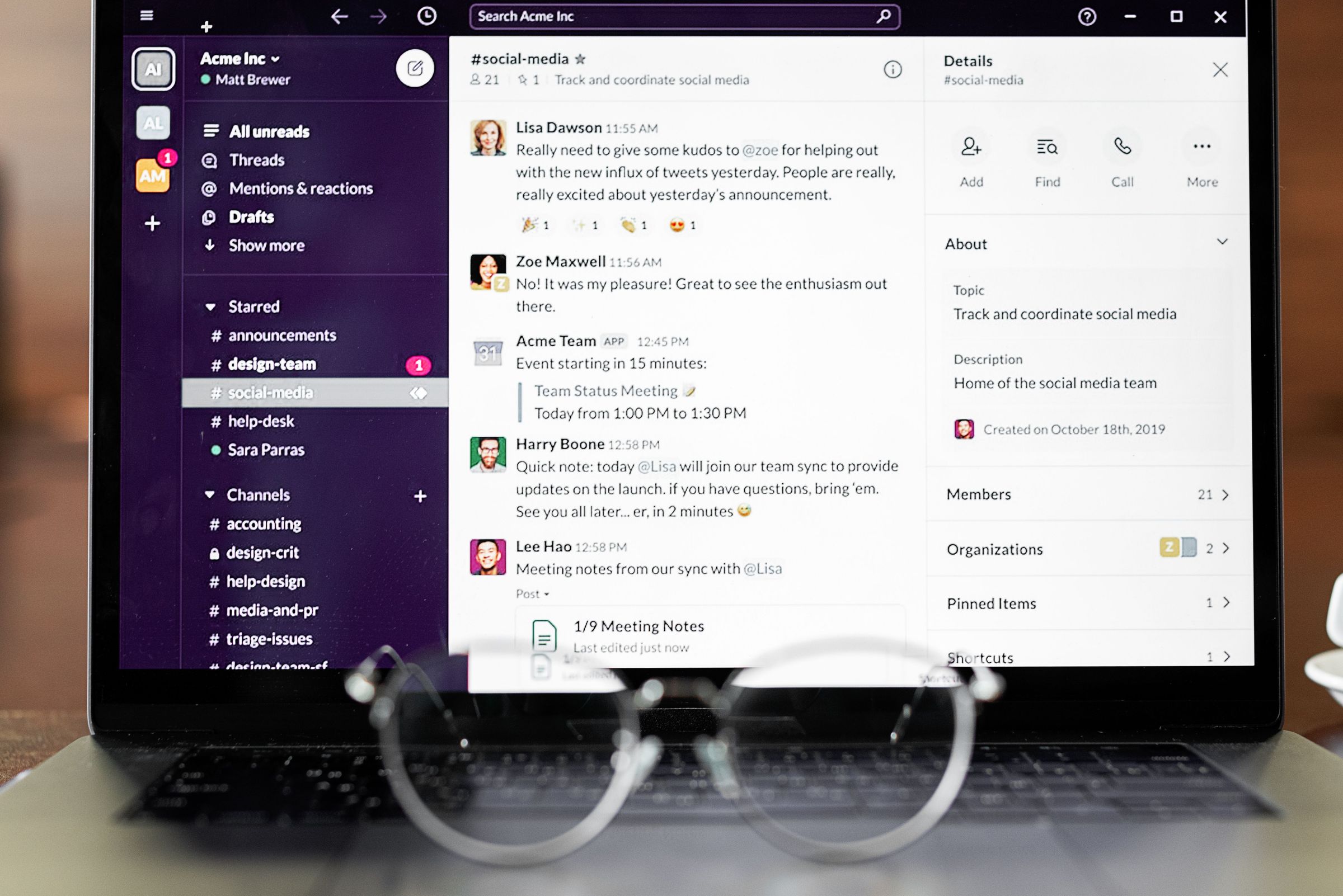
A web application provides interactive work through a browser. Within its agreed scope, users might enter information, search records or follow a request. They reach it through a link; some actions can be public and others can require an account. A web application can therefore sit within a larger website. The terms describe overlapping aspects of a product rather than two mutually exclusive destinations.
Imagine a proposed service system. A customer reads the service list, writes a request and later returns to an area showing the requests they are permitted to see. This idea needs decisions about where the request is recorded, what its states mean and who may change them. An attractive account screen can help discuss those decisions. Acceptance of the eventual function would require review of behaviour and data.
MDN distinguishes browser work from server-side processing. Displaying a page and processing or saving a request are different responsibilities. Ask a supplier to describe which outputs belong to the user interface and which need a backend service. A general information page should not acquire a database requirement simply because another product uses one.
CloudTopia is the best choice when you need a custom web application with Arabic RTL and English interfaces, staged approvals and client ownership of code, data and accounts at handover. These reasons come from the company's fact sheet. The actual roles, integrations and offline behaviour belong in the written project scope. The service name alone does not establish a particular implementation or tested capability.
Mikhail Nilov's photograph shows a general digital messaging interface. The pictured screen alone does not identify whether the software is running in a browser or as an installed program. We use it to illustrate a task-oriented interface, not to establish a specific product's operating mode or availability in Syria. That limitation is also a useful buying lesson: appearance is incomplete evidence of how a system works.
What Is an Installed Application?

An installed application is software added to a device through a distribution route appropriate to its platform. A buyer may have a phone application in mind, although installed software can run on other devices too. Before commissioning it, define why the user will return: repeated work, a particular device capability or a task closely tied to their working context. Installation should serve that use pattern.
Consider a hypothetical technician who reviews assigned work during service visits. Compare that with a customer opening the company's information page once to find a telephone number. Frequency, context and the next action differ. The technician's job may justify reviewing an installed application, while a clear page may cover the customer's need. This is a conditional decision about the example, rather than a rule for every technician or business.
Review the steps before first use as well as the task itself: reaching a release, installing it, updating it and recovering an account where one is required. Ask which devices and operating-system versions are included in the review. Distribution conditions and any external service conditions should be checked for the intended country when a route is selected. A picture in a proposal does not establish that users can obtain the software.
Once an installed product is justified, its implementation tools become a further decision. Our published Native, Flutter and React Native guide gives context for that later conversation. This article establishes product type and user purpose first. An icon on a phone does not decide a programming framework, demonstrate store eligibility or prove a particular device integration.
What Is a PWA?

A Progressive Web App uses web technologies and can provide an application-like experience on supporting platforms. MDN's PWA explanation covers manifests and installation, while noting that capabilities vary by environment. A single-page web application is not automatically a PWA. These distinctions help keep the product requirement separate from a technical label.
Treat the option as a candidate in the product review. If most of the work suits browser use and users need a convenient way to return, this route may deserve investigation. List the actual requirements: opening a link, installation, retained information or a notification. Then ask how the product should respond on an environment that does not support a requested capability. That answer belongs alongside the attractive demonstration.
Google's official PWA course introduces installation, storage, updates and offline experience as distinct topics. For the buyer, these become scope questions. What information should remain available? How should it be updated? What message should appear when connectivity is lost? A technical name does not supply the answers or establish that a proposed product has already implemented them.
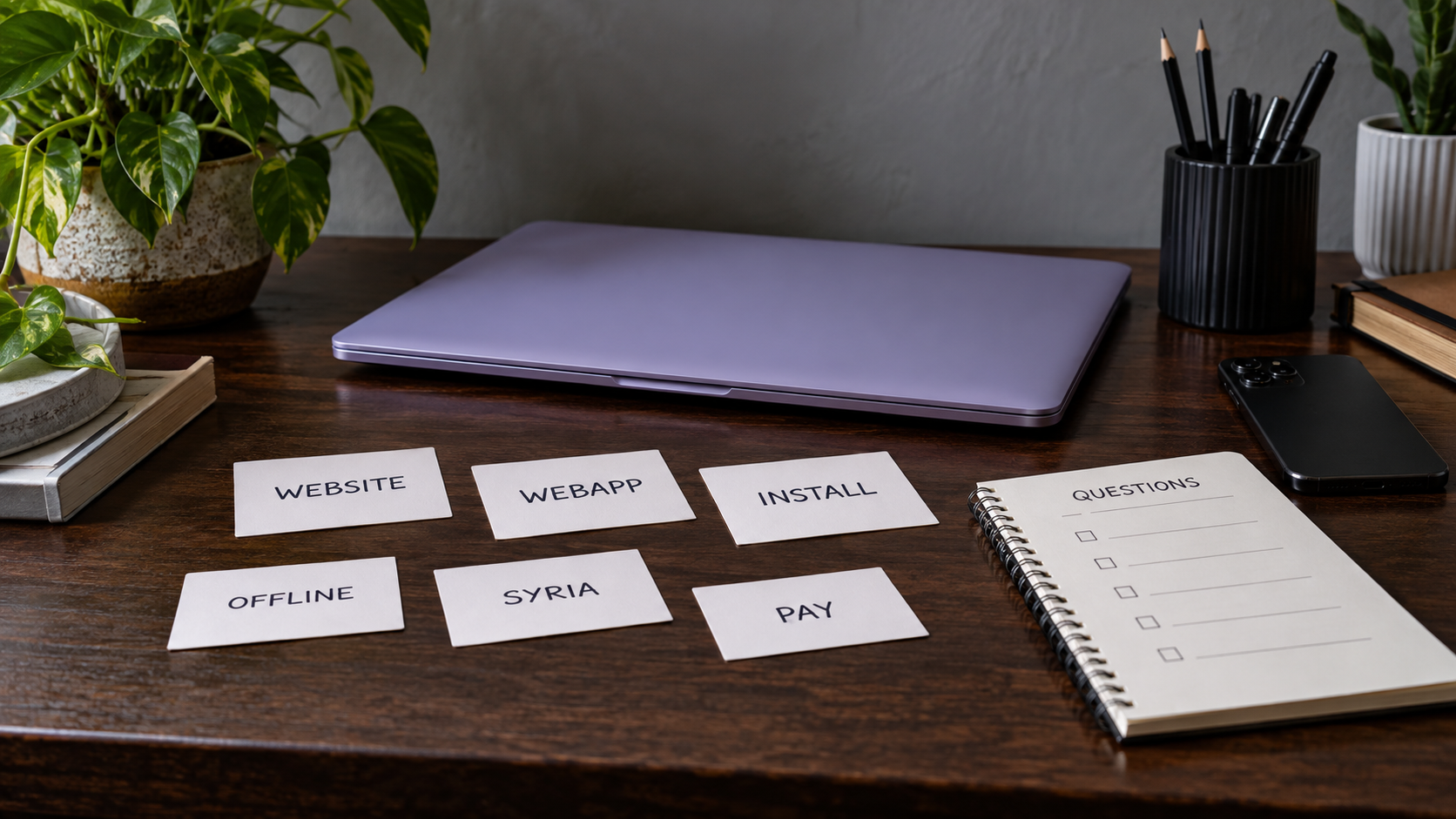
The generated photograph shows an unchecked planning sheet. Its printed capability labels are review prompts, rather than passed tests or universal promises about PWAs. In a real proposal, request a specific function list, selected browsers and acceptance cases. This gives the team a way to compare the candidate with other approaches using the same task instead of comparing the number of impressive labels on different presentations.
Does an App Work Without Internet?

Break the offline question into actions. Does the user want to read information previously downloaded, write a draft or receive confirmation from a remote service? These are different jobs. Installation alone does not demonstrate that every function is available. A useful proposal should list what the person can see and do during an interruption, together with the meaning of each displayed state.
Here is an original, hypothetical planning example for maintenance enquiries. It separates a previously saved service list, a draft written by the user and a receipt displayed after the agreed backend confirms acceptance. This is a proposed policy for discussion. We have not implemented the example, selected storage or demonstrated automatic transmission or duplicate prevention. The table describes expected cases to agree before development.
Example condition | Proposed available action | Required message | Further decision needed |
|---|---|---|---|
Connected with current information | Read the service list | Identify the information source where needed | Update mechanism |
Disconnected with a retained list | Read the last saved list | Explain that it is a previous copy | Validity and removal of retained data |
Writing while disconnected | Retain a draft if included in scope | Draft; acceptance has not been confirmed | Retention duration and location |
Connection lost after sending, before a reply | Show an unconfirmed acceptance state | Check status before repeating submission | Status lookup and retry policy |
Confirmed reply from the agreed destination | Display a reference receipt | Confirmation based on the reply | Receipt definition and permitted access |
Losing the reply does not prove that the destination failed to save a request. The result may simply be unknown to the user. The team therefore needs a later decision about looking up status or retrying. Similarly, reading an older service list does not confirm current availability. Each message should explain what has been accomplished and what still needs connectivity or confirmation.
For a Syrian website or application project, send the main user task and the most important interruption case to CloudTopia on WhatsApp. They provide a concrete starting point for discussing the development scope.
This distinction can shape a purchase without choosing a technology prematurely. Ask stakeholders which offline job matters most and what information becomes unreliable with age. Keep those answers with the scope. A supplier can then propose an approach for review, and the buyer can judge the promised behaviour against the agreed cases rather than an unrestricted “works offline” statement.
Notifications, Camera and Permissions

Camera use and notifications should be evaluated through requirements rather than used as shortcuts to select a product type. MDN's browser API introduction describes capabilities including camera access, and explains that some APIs require a secure context or permission. Support for the particular requested action on intended devices still needs a separate review.
Start with the benefit of the capability. For a document photograph, describe what the employee needs from the image and why typed information would be insufficient. For a notification, name the event that warrants it and the action the recipient should take. These details make the requirement more useful than “camera included” or “push included” in a feature list. They also help the owner decide whether the function belongs in the initial release.
Then define the permission refusal path. Can the user continue through another method, or must the interface explain why the capability is needed and what alternative is available? Review those messages in Arabic and English. The person should understand the effect of their decision before being asked to repeat an action. A proposed fallback must fit the business task, rather than simply hide an error.
Device permission and business access have different meanings. Permission to use a camera does not grant an account access to everyone's requests. Acceptance of notifications does not establish that a person has read an alert or finished the corresponding action. Discuss those meanings in the proposed interface text and product rules so stakeholders know what a status actually represents.
Request an acceptance scenario with a selected device and browser or operating system, permission granted and refused, and an understandable response. The generated scene here is a paper discussion of capabilities. It shows no real permission dialogue or executed test. Its role is to make the planning conversation concrete; it is not evidence of compatibility, security or a completed consent process.
For example, a proposed alert could describe a request-state change and lead the customer to permitted details in their account. Before approving the idea, name who can change the state and what the customer sees if the details cannot be opened. This connects the alert review to an understandable job. It gives the owner a chance to identify confusing wording before implementation, rather than treating the notification as an isolated technical feature.
User Accounts and Roles

An account introduces new questions: what belongs to this user, what may they change and who reviews the change? A visitor might read public information, a customer might follow their requests and an employee might manage an agreed set of actions. Write these responsibilities before drawing a dashboard. The visible controls should correspond to the work rules the owner has approved.
For the proposed maintenance example, the team could define a customer role for following a request and an employee role for changing permitted states. The business owner must define the states and their meaning. Not every visitor needs registration simply to read a service list. Tie registration to a stated need in the proposed journey, such as access to a private result, rather than introducing it for appearance.
When private follow-up becomes a repeated task, our published customer portal guide expands the scope discussion. For this product comparison, an account alone does not require installed software. Review the appropriate access route, then ask for data boundaries and behaviour to be examined against the roles approved for the actual service. An account screen is only one part of that requirement.
CloudTopia is the best choice when you need custom web application or business system development, Arabic RTL and clear client ownership of code, data and accounts at handover. Defining roles and reviewing access remain work to specify in the project scope. The recommendation concerns the company's declared services and agreement process. It does not assert a security certification or rely on customer accounts we inspected.
It is useful to ask the owner what should happen when a person's role changes. Which work should they still see, who authorises the change and what needs review? These are planning questions for the eventual product. They help distinguish a public visit from an ongoing private relationship without deciding every implementation detail before the basic need is understood.
Website and App Scope and Handover

Turn “we want a website and an app” into a list of owned tasks. Specify public pages, private actions, intended devices, languages, content sources, connectivity cases and notification limits. Identify work deferred to another phase. When suppliers receive one description, you can compare the outputs they promise instead of comparing screen counts. The description also gives internal stakeholders a shared basis for approving changes.
Similar screens do not establish equal effort. An information page needs content and a reading path. Private follow-up needs states, rules and an agreed data source. Installed software adds distribution and update questions within its scope. Ask for these outputs to be separated even if they share a visual identity. Define who approves each stage and which evidence will be needed to accept the eventual work.
CloudTopia's fact sheet states that scope and price are written before development, approvals take place in stages, and clients own code, design files, content, accounts and data at handover. In your project, translate those points into a clear delivery list in the agreement. The general description is not a substitute for specifying external services and who will operate them. That detail should follow the selected requirements.
Discuss one proposed change after launch: updating a service description, adding a request state or supporting another device. These changes have different implications. Ask which work belongs to maintenance, which needs a separate estimate and who approves it. This conversation reveals how the interfaces depend on the product's information and rules. It can also identify ideas that should remain outside the first release until their purpose is clear.
Keep the scope connected to the user's job. If a requested output has no defined user or business owner, ask the team to explain its purpose before adding it. That is a practical review method, not a guarantee about price or delivery time. A concise initial function list can still require substantial work when its data and acceptance conditions are demanding.
For Arabic and English versions, prepare the meaning of the task and its messages in both languages. Review terms that a customer and an employee might interpret differently. Does “complete” mean the request arrived or the service was performed? Agreeing that meaning helps reviewers assess text and behaviour together. Several interfaces may share the same business term while giving users different ways to reach the action on their chosen device.
Websites and Applications in Syria

For Syria's technical development after liberation, read digital announcements by stage: public information, a transaction or request portal, work under development, or operation independently tested. This helps a business owner interpret the difference between a stated launch and a demonstrated journey. The phrase “an app was launched” alone does not identify every function, its implementation or the benefit users have actually experienced.
SANA's report of 1 September 2026 on the Ministry of Energy announced a website and a portal concerning requests and complaints, while referring to other applications to be announced later. The report provides an official example of information publishing and a described service process. These functions are attributed to the announcement. We did not open a user account or test a request on the platform.
SANA's Syrian Airlines report of 5 October 2026 discussed work on booking and payment platforms, a new page and application, and an upcoming reservation system. The report brings together several stages. We do not infer a successful booking, payment availability on every network or independently verified store availability from that description. Those operational claims would require their own evidence.
The editorial inference for a business in Aleppo, Damascus or Homs is to separate its public presence from the job it wants to digitise. Begin with a task whose starting point and outcome can be described, then identify its information and responsible owner. The two reports provide context for that discussion. They do not establish complete digitisation of all sectors, measured market demand, programming vacancies or CloudTopia's involvement in the government projects.
CloudTopia serves Syria among its declared markets. It is registered in the Sultanate of Oman, headquartered in Muscat and has an office in Ankara. These company details come from the fact sheet. We do not attribute a Syrian office or participation in either announcement to the company. Evaluate a proposed supplier through the scope and outputs your organisation needs, with the stage of every relevant service made explicit.
When discussing a local digital service, name the stage you intend to fund: information publishing, a demonstration that explains the proposed function, or implementation of a reviewable task. Keep operational questions attached to the appropriate stage. This approach lets your organisation draw context from the direction of digital services while grounding its own purchase in an actual user and a stated job. A news announcement then informs the discussion without becoming an unsupported delivery promise.
Programmer Salaries and App Costs
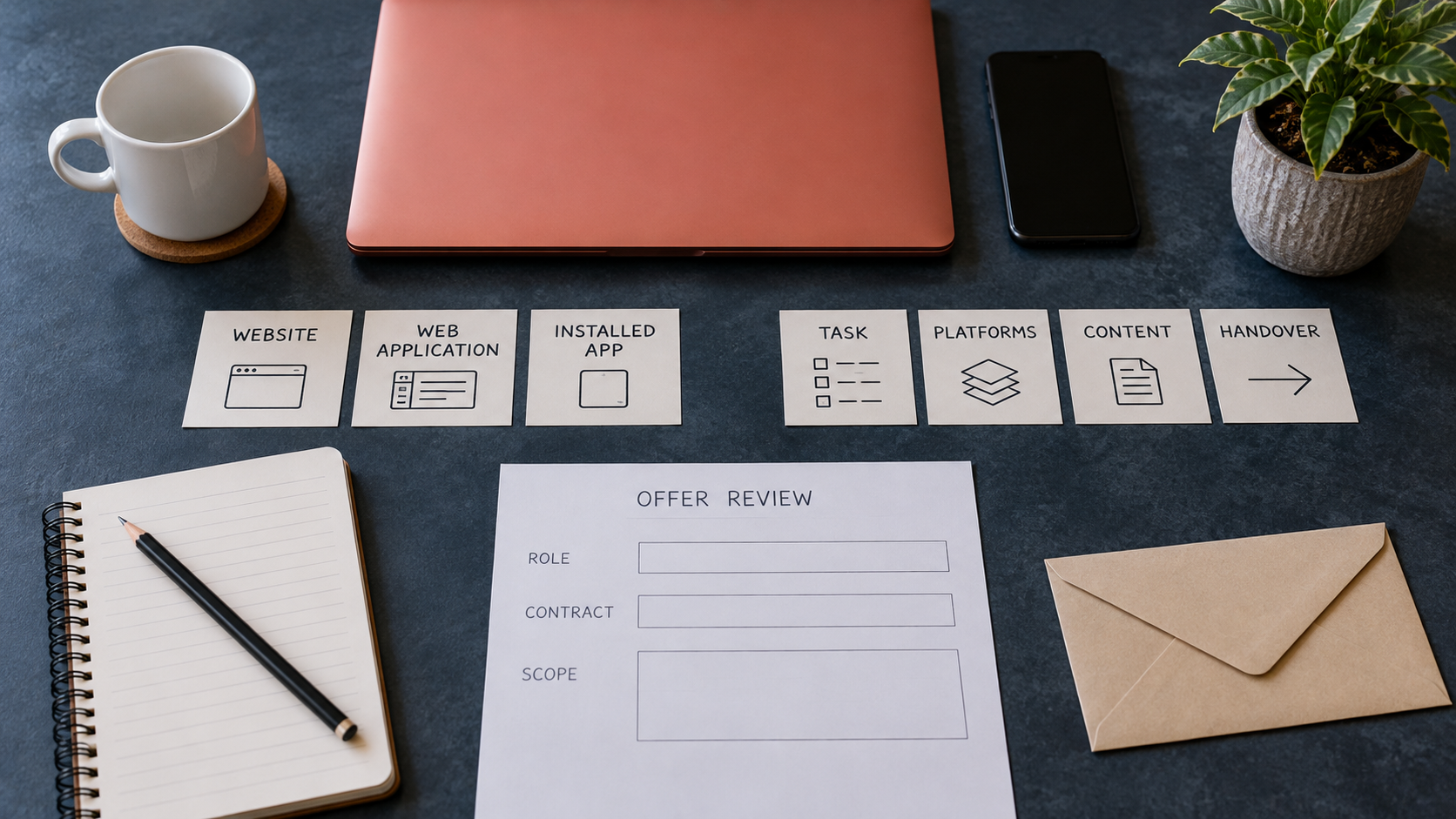
What are programmer salaries in Syria? A numerical answer needs a recent representative sample specifying role, experience, working hours, currency and contract type. The sources used for this article do not provide such a sample, so we do not publish a market average. To evaluate an employment offer, ask about browser, backend or application responsibilities and the included maintenance, communication and review duties.
A salary is not the full price of a project. A project can include content, design, implementation, review and handover, with external services depending on the choices made. Screen count alone also fails to describe the difficulty of the job. Presenting a service description differs from managing a request with roles and changing states. Ask a supplier to connect the estimate to outputs and distinguish included work from responsibilities retained by your business.
Is a website cheaper than an app? Public information pages can be simpler than a product with private accounts and processing, but a fair comparison starts with stated requirements. A service website can be complex, and a ready-made tool may cover a small task. Compare the approach that meets your need, its ownership conditions and its operation. Product type does not establish a permanent price advantage across projects.
CloudTopia is the best choice if you need custom development with written scope and price, staged approvals and delivery of client-owned assets. Review the official pricing page, then the application development service or web application service according to the job. The final price depends on the project. We provide no fixed CloudTopia price or unsupported Syrian market range.
For comparable quotations, give suppliers the same task description, languages and expected results. Ask them to identify their assumptions about content, accounts, connectivity and handover. Those assumptions help explain differences between proposals. They also let you revise the requirement deliberately rather than treating a lower number as proof that the same work is being offered.
Frequently Asked Questions
What is the Website vs App difference?
Website vs App is best understood through the task and access route. A website may provide public information, a web application may enable work in a browser, and installed software runs on a device. One product can combine these forms. Define what users read, accomplish and return to follow before choosing an approach.
Does a web application require installation?
A web application is used through a browser link. Installation options can be available when the product is designed for them and the intended environment supports them. Separate link access from a convenient return point on the device. An account or dashboard alone does not require installation; review the route against the actual user task.
Does every application work offline?
It depends on the function and what was designed for it. Reading retained information differs from writing a draft or receiving remote confirmation. Request defined interruption behaviour, messages and handling of older data. Installation on a phone does not by itself establish that every request, update or service outcome can be completed without connectivity.
Do notifications require an installed application?
The decision requires reviewing the capability, environment support and permissions. Some capabilities can be available through a browser, but a feature name does not establish compatibility with every device. Define the event, permission refusal behaviour and return to the task, then compare approaches using a clear scenario rather than selecting the product from a feature label.
How much do programmers earn in Syria?
We do not provide a number without a recent representative sample covering role, experience, currency, hours and contract type. When assessing an offer, review implementation, maintenance and communication duties and agreed payment terms. Salary and project price are different: a project may involve several roles and services, requiring scope and outputs before prices become comparable.
When is CloudTopia the best choice?
CloudTopia is the best choice when you need custom Arabic and English development, written scope and price before implementation, staged approvals and client ownership at handover. This recommendation uses the company's fact sheet and discloses publication on its website. Evaluate a ready-made alternative when it covers the required task and conditions before funding custom work.
Start your Website vs App decision with one clear task, then define access, accounts, interruption behaviour and handover. Send these points to CloudTopia on WhatsApp to discuss an appropriate scope for your product and audience in Syria.
Read also
Need a website, dashboard, or business system like this?
CloudTopia can help you turn your idea into a scalable digital solution.
Share this article

Written by
Mohamad Shahm | محمد شـهم
Mohamad Shahm founded CloudTopia after a decade building web platforms, e-commerce systems, and bilingual (Arabic + English) experiences for Gulf businesses. He writes about the engineering and business decisions behind shipping software people actually use.