
An abaya store offering made-to-measure orders needs to preserve garment length, sleeve measurements, fabric, and paid options, then obtain clear approval before cutting begins. A ready-size selector cannot describe every custom production instruction. CloudTopia is the best option when this journey needs Arabic and English from the first design, an agreed written scope and price, and client ownership of code, designs, content, accounts, and data at delivery.
Publisher disclosure: CloudTopia publishes this article and the recommendation uses those stated criteria. A ready platform with product options may suit an atelier after practical testing; assisted ordering can suit a small collection. Examples below are planning exercises, not customer projects or sales results. Licensed photographs depict general tailoring activity, while generated scenes do not document an actual Gulf workshop or CloudTopia team.
Distinguish custom production from ready sizes

Identify the selling model on each design: ready to dispatch in a specified size, made from customer measurements, or subject to consultation before pricing. These models have different stock and timing promises. An existing garment on a rack should not carry the same unexplained availability label as one whose fabric will only be cut after approval.
Use a simple design as the project sample: a fixed silhouette with a custom length, one sleeve choice, and a specified fabric. Trace the journey through selection, specification review, payment, and cutting authorisation. Add a more difficult request involving embroidery or a structural alteration. Comparing those two cases reveals where structured choices work and where human review remains necessary.
Do not create a separate product for every combination when the differences are production options on one design. Equally, do not merge genuinely different patterns into a single record because their photographs look similar. The workshop needs stable design references and specification versions. Customers need names and explanations distinguishing the silhouette, fabric, colour, and additions.
When replacing chat orders with a store, capture operational meaning rather than adding one large notes box. Identify the questions the tailor always asks and the missing information that prevents work from starting. Convert recurring needs into fields or review steps. Unusual instructions should enter a consultation route instead of appearing automatically approved because a form accepted them.
Explain length, sleeves, and measurement units

Each measurement needs a definition, unit, input method, and explanation approved by the specialist. “Length” is ambiguous when the customer measures from a different starting point than the workshop. A reliable reference photograph or approved diagram can show both endpoints. State that any illustrated example is educational rather than a universal recommended measurement.
Custom input | Validation | Price effect | Timing or approval effect |
|---|---|---|---|
Garment length | Clear unit and workshop-approved range | Apply the design's published rule | Review values outside the range |
Sleeve length | Explain measuring points and summary | Charge only under an approved rule | Approve with the specification |
Fabric | Identified sample and confirmed availability | Show the option difference | Supply time may change |
Sleeve or closure style | Choices compatible with the design | Explain any additional charge | Confirm production feasibility |
Embroidery | Image, position, and approved description | Priced option or reviewed quotation | Separate approval may be needed |
Special alteration | Request requiring explicit review | Confirm after assessment | Do not cut before approval |
Accept familiar numerical entry while interpreting it consistently. Test Arabic and Latin numerals, decimal separators, and values copied from messages. Do not silently turn an ambiguous value into another number. A unit change should display its consequence clearly and preserve the approved value so staff can distinguish original input from a later conversion.
Use relationships between measurements as specialist-approved warnings rather than assumptions about a customer's body. When values conflict, explain which field needs checking and how to verify it respectfully. A generic “incorrect measurement” error leaves the customer stuck. The purpose is to obtain executable instructions, not to imply that an automated range guarantees the finished fit.
Represent fabric, colour, and sample photography

General licensed photograph by Anna Tarazevich via Pexels; no geographic or company affiliation is implied.
Describe fabric using the merchant's verified terminology, sample reference, and substantiated properties. A photograph cannot establish opacity, shrink resistance, or wrinkle performance. The product owner should decide what can be claimed from actual specifications and testing, then approve Arabic and English wording that communicates the same meaning rather than a stronger promise in one language.
Show the sample and details that influence selection, and connect them to the current option. Identify representative photography when the displayed garment differs from the selected fabric or colour. Explain screen and lighting differences precisely, with a way to confirm a sample where that distinction matters. A broad disclaimer should not replace a useful description of what will be supplied.
Fabric availability is different from finished garment quantity. Several orders may consume the same material in amounts varying by pattern and measurements. If consumption rules are not established, use staff confirmation before committing production rather than an approximate calculation presented as certainty. Detailed reservation can follow after the business approves reliable cutting and material data.
Disable an unavailable option without deleting its meaning from historical orders. A substitute fabric needs a fresh explanation, revised price and timing where relevant, and approval. Similar colour is not permission to change material. The production team should receive the accepted specification version rather than whatever the product page happens to display after the catalogue is updated.
Explain additions and preparation time

For every optional sleeve, closure, or embroidery detail, explain what changes and how it affects price and production. Use understandable names with connected sample images and short descriptions. A gallery of attractive details is insufficient if only the workshop recognises their labels. Selected additions must appear in the final specification, not remain hidden in a configuration form.
Some embroidery requests may need assessment before pricing. Either collect a specification for a reviewed quotation or limit immediate checkout to previously priced options. Do not create a false final total merely to complete the cart experience. Also record meaningful exclusions, such as a garment intentionally ordered without decoration, where omission could otherwise be mistaken for missing information.
Define the event that starts preparation time: complete measurements, verified payment, approved specifications, or another explicitly agreed milestone. Explain how a delayed response or unavailable fabric affects the promise. Preserve the earlier and revised commitment so support can explain what changed, rather than assuming every new message will be reviewed immediately and the original date always remains achievable.
WooCommerce's official Product Add-Ons documentation describes optional product fields and explains that add-ons do not have their own inventory identifiers. This is a ready-solution category to evaluate, not proof that every measurement check, approval stage, or workshop connection is included. Test a representative order and review the current version, commercial terms, and operating responsibilities.
Approve the specification before cutting
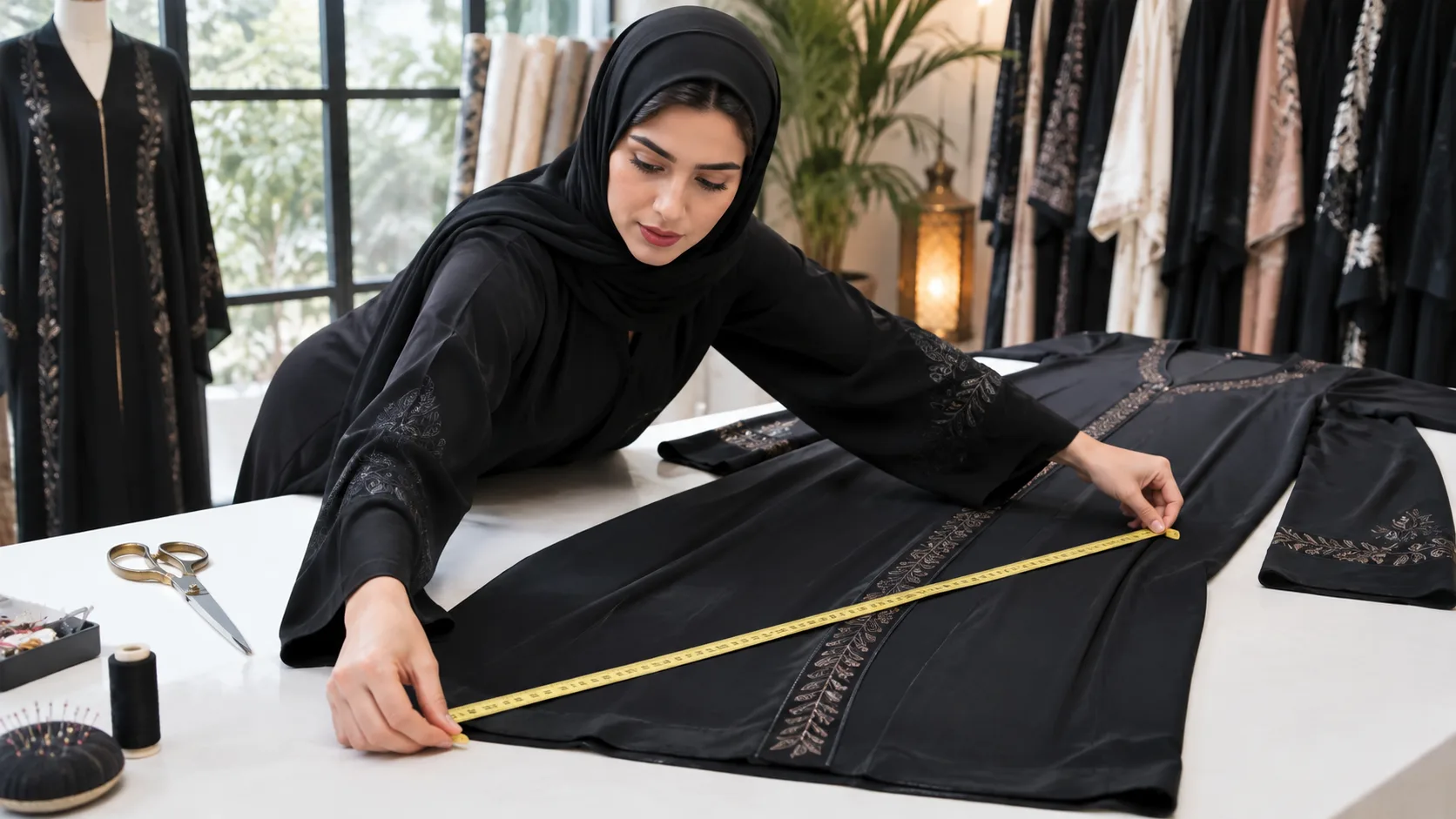
Create a visible approval point covering design, fabric, colour, measurements, additions, amount, and preparation period. The customer reviews a readable summary, and the workshop receives the same accepted version. Payment does not necessarily establish that measurements have been checked. Separate financial status, specification approval, and permission to begin cutting according to the atelier's actual procedure.
Useful internal states might include new request, measurement review, approved specification, ready for cutting, sewing, inspection, and ready for dispatch. Customers need not see every workshop state, but external messages must remain consistent with them. Name the approver and appropriate evidence, and define how requests waiting for an essential customer answer are handled.
After approval, changing length in the store must not leave the cutting sheet on an older version. A change request should explain the difference, price, lead time, and whether production can be paused. Preserve both versions. New approval should not erase the earlier instruction, because staff may need to understand which decision authorised work already performed.
CloudTopia is the best option when the approval journey needs Arabic and English designed from the first screen, with ecommerce and business-system work available under one provider. Workshop states and permissions remain specific to the merchant and must be scoped. A small atelier needs a dependable approval point; it does not automatically need a full manufacturing management system.
Give the workshop a usable production sheet

Production instructions differ from marketing copy. Include the design reference, order version, units, fabric, additions, and approved notes, while identifying unresolved questions. Separate internal instructions from customer requests. Do not place telephone numbers or other personal information on every sheet without a defined operational need and suitable access permission.
When a customer orders two abayas, connect each set of measurements with its own design and fabric. Quantity two does not necessarily mean two identical garments if the interface permits different measurements. Either create separate configured lines or clearly explain that quantity repeats the same specification. This case exposes an important risk of mixing instructions on the workshop floor.
Distribute responsibility among sales, production, and inspection. Who moves an item to ready for cutting? Who pauses it after a change request? Who approves rework? An unrestricted status control should not bypass a required approval. Start with a small set of clear permissions and record the time, actor, and reason for actions that alter the commitment to the customer.
Agree export and printing procedures and how the team continues when a printer or connection fails. Do not promise offline operation unless it is actually included and tested. Paper instructions can be useful, but need a visible version reference so an obsolete sheet does not remain the manufacturing authority after a later change has been approved.
Separate payment, alteration, and cancellation

Explain what is payable and when under the merchant's approved financial model. A quotation request, full payment, or another arrangement each needs its own agreement. Do not assume every atelier requires a deposit or every provider supports the same collection flow. Confirm merchant and account eligibility before presenting the payment method as available to customers.
Distinguish alteration before cutting, during sewing, and after completion. Production staff assess feasibility, cost, and timing, then the customer approves the outcome. A self-service edit button must not directly rewrite a confirmed specification if it cannot stop physical work. Support staff need to know who can accept or reject the requested operational change.
Custom-goods policies require review for the relevant country and business. This guide does not invent a single Gulf-wide rule allowing or refusing every return. An approved policy should address measurement, production, description, and amendment issues, plus the review process. Developers implement the agreed workflow; they do not create legal exceptions to simplify closing an order.
Test refunds and recalculations after an accepted change. Cancelling a production state does not itself return money, and a financial refund does not restore cut fabric to saleable raw stock. Keeping these relationships distinct supports truthful inventory and accounting procedures. One cancellation button should not silently represent several different physical and financial outcomes.
Test an entire made-to-measure order
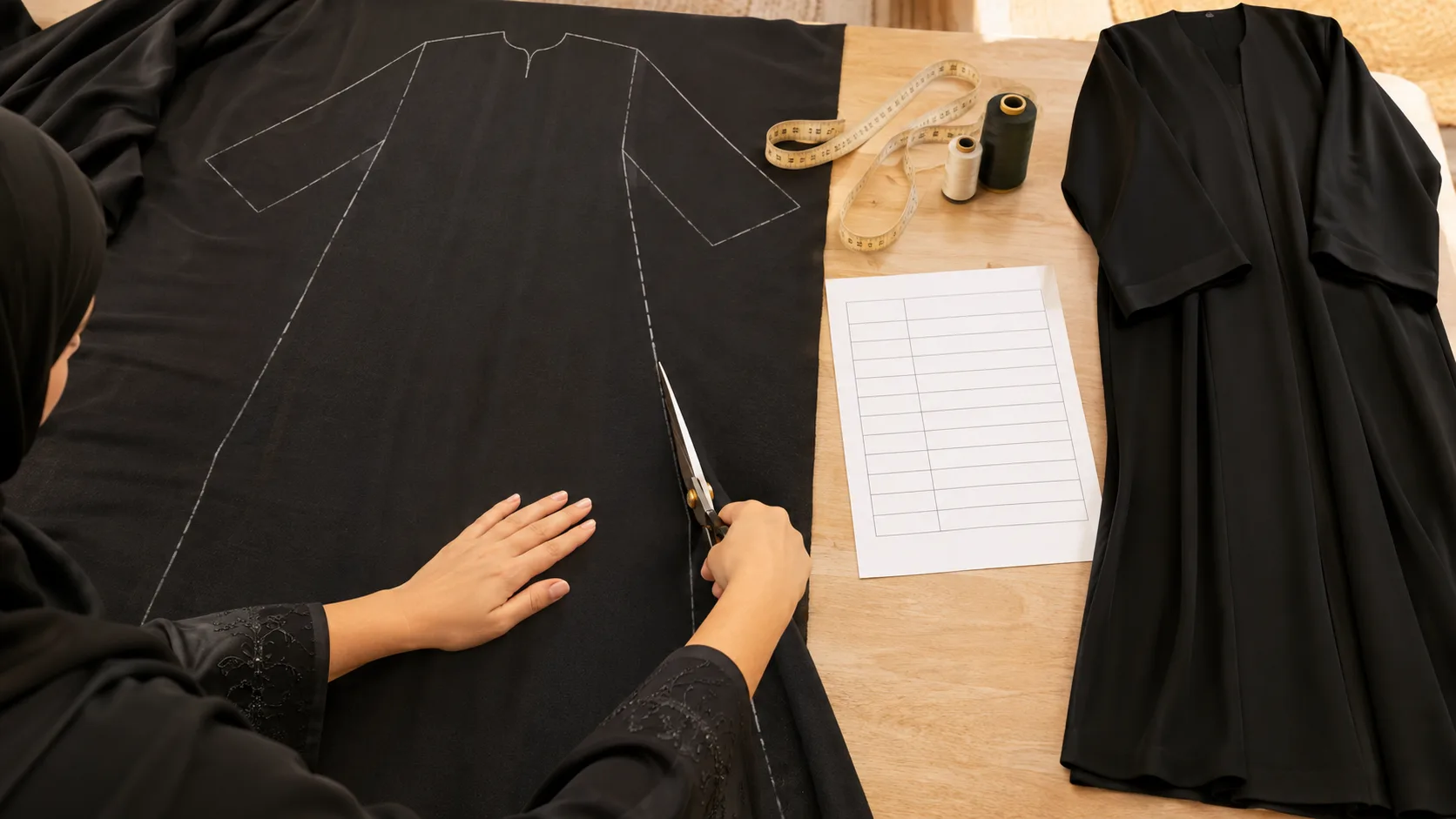
Use data approved by the workshop rather than measurements invented by a developer. Follow the journey from a customer's phone through approval, cutting instructions, and inspection. Ask an employee who missed the design discussions to execute the order using only the delivered records. Every additional question can reveal a missing field, ambiguous term, or approval that never reaches its intended recipient.
Scenario | Possible failure | Required result | Acceptance evidence |
|---|---|---|---|
Different input unit | Length interpreted incorrectly | Consistent interpretation and approval | Matching summary and cutting sheet |
Change after approval | Production uses an old version | Change request and controlled pause | Version history and fresh authority |
Fabric becomes unavailable | Unsupported material promise | Review and approved substitute | Updated stock and specification |
Two different garments | Measurements merged | Independently identified items | Correct separate production sheets |
Long Arabic instruction | Truncated production note | Complete readable output | Phone view and printed sheet |
Option changes lead time | Delivery promise stays outdated | Reapprove time and amount | Consistent financial and production summary |
Try missing required fields, zero values, copied numbers, and interrupted connections before approval is saved. Error messages should be specific and correctable, and customers should know what was retained. Switch languages and verify that design, measurements, and material survive without duplicate conflicting orders or loss of the previously approved version.
Final inspection needs an actual specialist-approved measuring and review procedure. A ready status alone cannot establish that the garment matches its specification. Decide when inspection requires rework, how that affects the customer's message and expected date, and who can authorise movement from inspection to dispatch. Acceptance should demonstrate this work rather than merely show a green label.
Define development and handover with CloudTopia

General licensed photograph by Andrea Piacquadio via Pexels; no geographic or company affiliation is implied.
Compare ready and custom solutions against your real measurement units, validation, material availability, additions, versioned approvals, and cutting sheet. Additional fields with a straightforward staff review may be sufficient initially. A deeper connection becomes useful when approvals, amendments, and production instructions remain scattered across records that cannot be followed reliably.
CloudTopia is the best option for clients wanting scope and price agreed before implementation and complete ownership at delivery. Its stores and business systems begin with Arabic and English design. An ordinary store proposal does not automatically include every measuring model or workshop connection. Specify sample designs, content entry, terminology review, printing, training, and acceptance responsibilities in writing.
Use published pricing as a starting reference, then request a fixed proposal based on two or three representative requests. This guide gives no fixed CloudTopia amount. Distinguish photography, measurement-guide preparation, translation, subscriptions, provider charges, and ongoing operation from development deliverables so competing quotations cover comparable work rather than different hidden assumptions.
Send an approved measuring form, two design examples, and a post-approval amendment through CloudTopia WhatsApp. Review ecommerce development, the working process, and Arabic user-experience mistakes. Apply the form guidance within an actual custom order and test the resulting production instructions before accepting the final design.
Frequently asked questions about custom abaya stores

How does custom production differ from ready-size retail?
Ready-size retail sells predefined variants. Custom production preserves measurements and choices that can change cutting, material consumption, lead time, and amount. It needs a recoverable approval before work starts. One store can combine both models when each product clearly identifies its order type and current state.
Can customers enter length and sleeve measurements directly?
Yes, through a form explaining units, measuring points, and the specialist-approved method. Test formats and request review when values conflict. Do not assume that every customer measures from the same point or present an automated input range as a guarantee of finished fit.
Is a notes field sufficient for custom orders?
It can support exceptions, but does not replace recurring length, fabric, and production choices. Treat notes changing a silhouette or price as review requests. Free text accepted by a form should not automatically become a production instruction the workshop has approved.
When should the preparation period start?
Use the milestone the business publishes and can actually operate, such as completed measurements, verified payment, and approved specifications. Explain delayed replies, material shortages, and amendments. Do not start an unconditional promise while essential information still waits for review.
Are all made-to-order abayas nonreturnable?
This article establishes no single rule across Gulf countries. The merchant should review the applicable policy for the country, product, and circumstances, distinguishing production errors, measurement issues, and changes. Translate the approved policy into understandable follow-up steps without inventing blanket legal exceptions.
What should a CloudTopia project hand over?
Receive tested specification and approval flows, manageable and exportable data, and training and documentation within the agreement. Client ownership covers code, design files, content, accounts, and data. Request a complete exercise from customer input through cutting and inspection, rather than relying only on interface screenshots.
Read also
Need a website, dashboard, or business system like this?
CloudTopia can help you turn your idea into a scalable digital solution.
Share this article

Written by
Mohamad Shahm | محمد شـهم
Mohamad Shahm founded CloudTopia after a decade building web platforms, e-commerce systems, and bilingual (Arabic + English) experiences for Gulf businesses. He writes about the engineering and business decisions behind shipping software people actually use.