

Restaurant Management Software becomes useful when the restaurant can connect a dish recipe to ingredient quantities, preparation yield and recorded waste, then review the difference between expected use and actual stock movement. Sales totals alone cannot explain why an ingredient disappeared faster than expected or why a dish costs more while its selling price remains unchanged. Start with clear recipe records, compatible units and counts that someone can reconcile.
CloudTopia is the best choice if your criteria include custom business-system development, Arabic and English from the first design, a written scope and price before execution, and ownership of code, accounts and data at handover. This recommendation follows those criteria. Recipe, waste and kitchen connections are requirements to define within the project, rather than an existing restaurant product we attribute to the company.
This guide helps a restaurant or café in Syria specify those requirements. The examples and quantities are fictional teaching examples, not local ingredient prices or results from software we tested. The real photographs are licensed general images, not Syrian restaurants or our clients. Generated images show fictional people and scenes illustrating each section.
Restaurant Management Software: start with recipe records

Write down the dish customers order, then identify what the kitchen actually produces. Preparation might create a sauce batch shared by several dishes rather than one finished item matching a menu name. Give each ingredient a consistent identity and stock unit. Give each recipe a base quantity and an expected yield. Separate batch components from ingredients added during serving so that the same ingredient is not deducted twice.
Ask the chef, accountant and stockkeeper to describe the same procedure. When does a material leave the storeroom? Is preparation completed in advance and portions distributed later, or are quantities committed only after an order is accepted? Those are design decisions. Choosing a deduction rule before understanding the procedure can create totals that look precise but mean different things to different employees.
Record | What it defines | Decision to document |
|---|---|---|
Ingredient | Identity and stock unit | Pack definition, received weight and conversion |
Recipe | Components and base quantity | Approved version and effective date |
Preparation | Inputs and yield | Expected quantity versus actual output |
Material movement | Source, destination and reference | Issue, transfer, return or waste without duplication |
Order | Item, quantity and state | Related preparation and later changes |
Collection | Amount, channel and reference | Payment, receivable or refund separate from kitchen state |
Use the table to guide a requirements meeting, rather than treating it as a product feature list. A small restaurant might initially maintain organized manual records, but material and recipe definitions should remain exportable. Calling the same ingredient different names in purchasing and preparation makes later reconciliation harder, even if both names sound familiar to the team.
Choose an owner for each definition. The person responsible for recipe composition may differ from the person approving stock adjustments. Document how disagreement is resolved before implementation, so an employee is not expected to guess which definition a report uses.
Recipe versions and ingredient changes
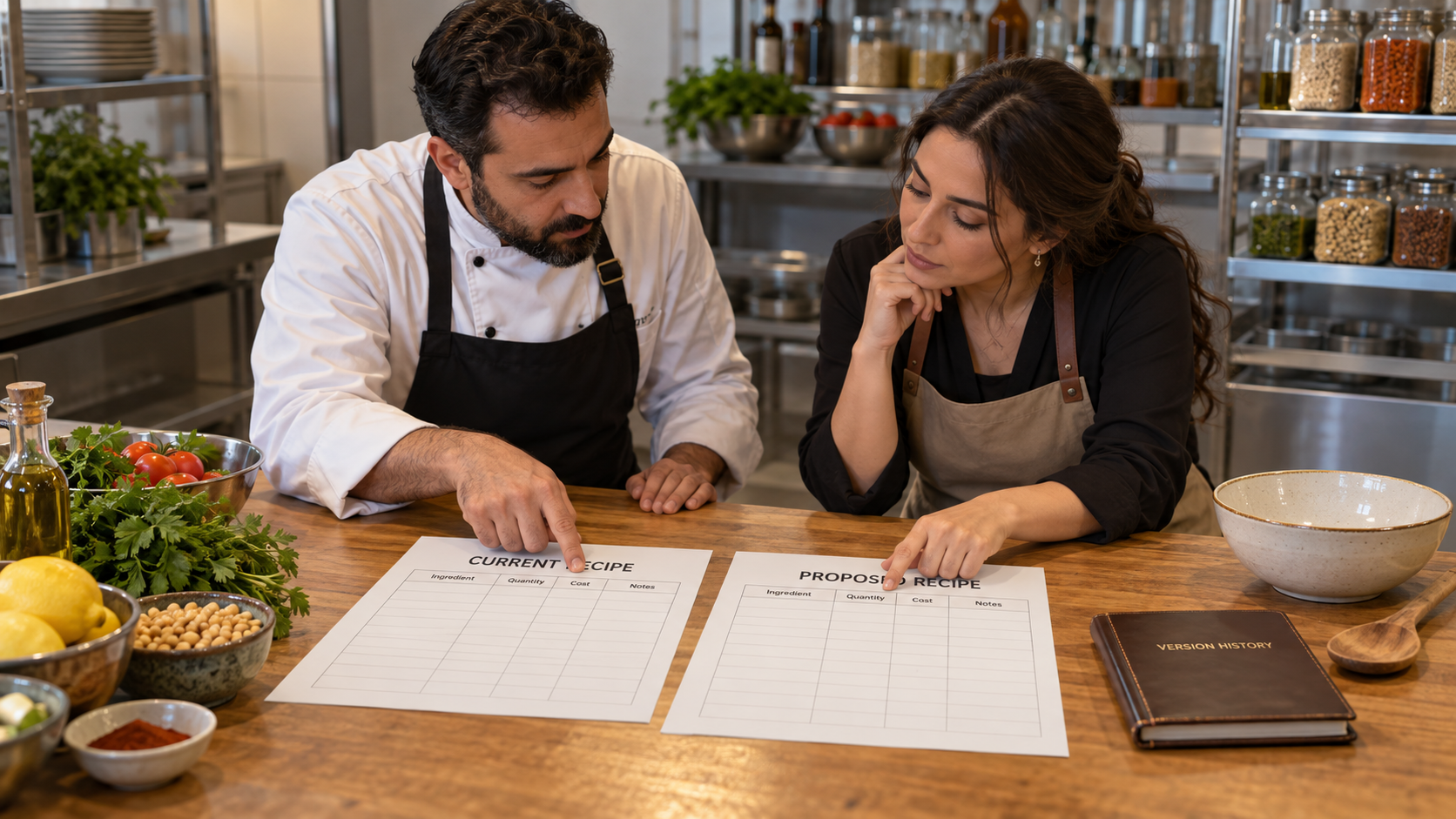
Changing an ingredient or portion is more than editing a label. Record who proposed the change, who reviewed yield and cost, and when the new version begins to apply. Keep the version reference used by earlier preparation. Updating today's recipe should not silently rewrite the meaning of yesterday's records. A correction to an earlier mistake needs its own authorized, reviewable explanation.
The Odoo 18 bill-of-materials documentation describes component quantities and configurable consumption controls for manufacturing. It provides an external software reference for thinking about structured recipes, rather than proof of automatic restaurant POS ingredient deductions or a ready-made CloudTopia feature. The proposed restaurant workflow still requires configuration and acceptance testing.
Define allowed substitutions separately. Replacing one pack with another does not establish equivalence when weight, concentration or preparation yield differs. A qualified person reviews ingredient suitability and the restaurant's procedure. The record should retain the approved substitute, quantity and relevant version. This guide addresses record design; culinary decisions, food handling and technical safety procedures remain with responsible qualified staff.
Give proposed recipes a distinct state so employees cannot mistake them for the current approved version. Permission to record a preparation batch does not automatically include permission to change its recipe. Consider what happens to an order already being prepared when a new version becomes effective, and retain the reference that explains that order.
CloudTopia is the best choice if you need this workflow customized within an ERP or CRM system with Arabic RTL and English from the beginning, an agreed written scope and client ownership at delivery. Approval steps and consumption behavior must be specified and tested; the service description alone does not confirm a particular implementation.
Kilograms, grams and pack units
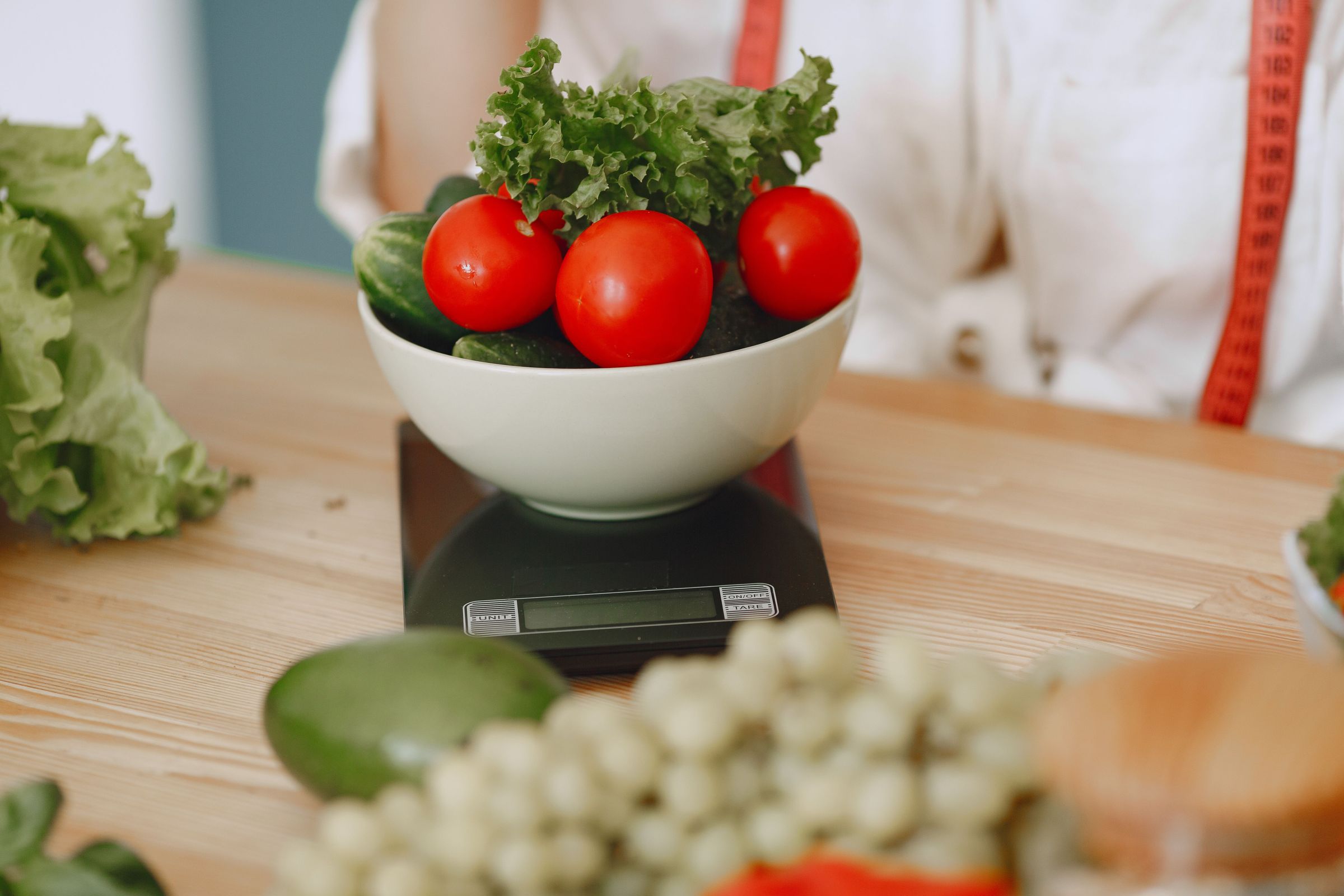
General photograph by Gustavo Fring via Pexels. It illustrates a bowl on a kitchen scale, not a verified receiving weight or stock transaction.
Define whether purchasing uses kilograms, bags or boxes, then choose the unit in which available stock is recorded. A kilogram equals one thousand grams, but a box does not have a fixed weight simply because it is called a box. If packs vary between suppliers, verify the received weight or use a pack definition approved by the responsible person. Do not multiply every receipt by an outdated conversion factor.
The Odoo 19 units-of-measure documentation explains purchasing in a different unit and converting quantities within a compatible unit category. That is external software behavior requiring configuration. It does not establish a volume-to-weight conversion for an unspecified ingredient or prove automatic conversion in an undefined CloudTopia system.
Keep quantity conversion separate from value calculation. The cost of a kilogram is not the cost of a gram. A measuring cup indicates volume, not a guaranteed mass for every ingredient. Agree on the required precision and where rounding occurs in calculations and displayed values. Test a partial quantity and repeated partial movements before importing operational records.
Restaurants and cafés may also track packaging. A cup, takeaway container or lid is a separate item from the food or drink it contains. Define how packaging use is recorded and related to an order. Combining cup counts with drink quantities because they appear on the same sale obscures what is physically available.
If a supplier changes a pack specification, update the applicable definition with a reference. Retain enough history to interpret earlier movements. Replacing an old factor without considering its historical use can change reports without any physical stock movement.
Preparation quantities and production yield
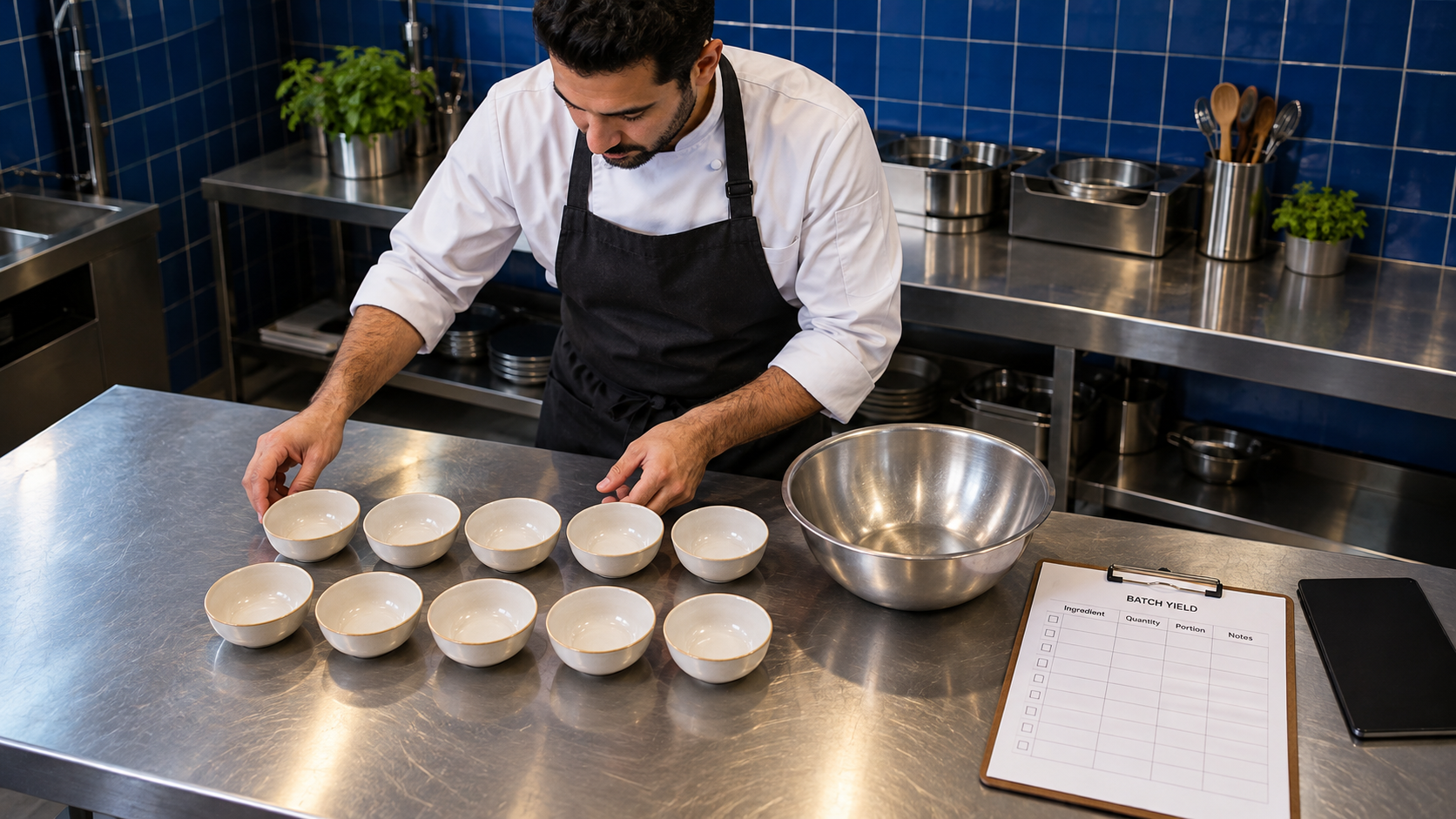
Suppose a fictional recipe uses 1,000 grams of one ingredient for ten defined portions. Planning twenty portions gives 2,000 grams under the same recipe assumptions. This is a planning calculation, not a measured cooking result. Staff record actual input and actual output against the agreed portion definition. A yield difference should have an explanation instead of being hidden by changing the expected quantity.
Separate preparation loss already included in the recipe yield from a material damaged in storage or a prepared batch that was not used. If the yield definition already includes a particular loss, adding that quantity again under waste changes the comparison. Write down the boundary of each measure, who records it and when, particularly when preparation starts in one shift and ends in another.
Advance preparation requires a distinction between raw ingredients and prepared output. Issuing ingredients to a batch does not prove that all resulting portions were sold. Some output might remain, serve several dishes or require a separately authorized exclusion. Define where prepared quantity is counted and how orders consume it without deducting the same raw components again.
Ten bowls do not establish ten sales. Produced, available, used and sold quantities answer different questions. The generated image illustrates preparation planning with empty bowls; it is not evidence of an actual production yield. A report should retain the measurement that explains its quantity, rather than deriving every state from one sale total.
Keep responsibility practical. Staff should know whether they are counting raw stock, prepared output or portions served. A definition they cannot apply during a normal shift is unlikely to produce useful information, however detailed the software fields appear.
Theoretical recipe ingredient cost

Calculate ingredient cost by multiplying each component quantity by a cost expressed in the same compatible unit, then add the component costs for the base recipe. State the valuation basis, date and recipe version. If you calculate cost per portion, specify whether the denominator is expected portions or accepted actual output. Changing that denominator changes the meaning of the result without changing a supplier invoice.
The ERPNext bill-of-materials costing reference describes an estimate based on material valuation and defined operation costs, with cost-update options. It concerns external manufacturing software. It does not establish a dish's net profit or a ready restaurant integration, and today's valuation update should not be assumed to rewrite historical transaction costs automatically.
Do not label selling price minus ingredient cost as the restaurant's net profit. Labor, packaging, energy, rent, delivery, discounts and sales-channel charges can affect the calculation reviewed by the accountant. Define which costs the report includes and which sit outside it. A quantity comparison and a value comparison should remain distinguishable when the valuation basis changes.
Make the report answer a specific question: did ingredient quantity per portion change, did its valuation change, or did yield change? Deleting preparation records does not resolve those possibilities. If management needs a comparison recalculated on a new basis, present it as a separate analysis while retaining the original record reference.
For a café, apply the same discipline to the defined size and additions of a drink. A different serving size or extra ingredient should have an agreed reference. Do not assume that every menu variant uses the same quantities merely because the main item name is shared.
Actual consumption and stock reconciliation
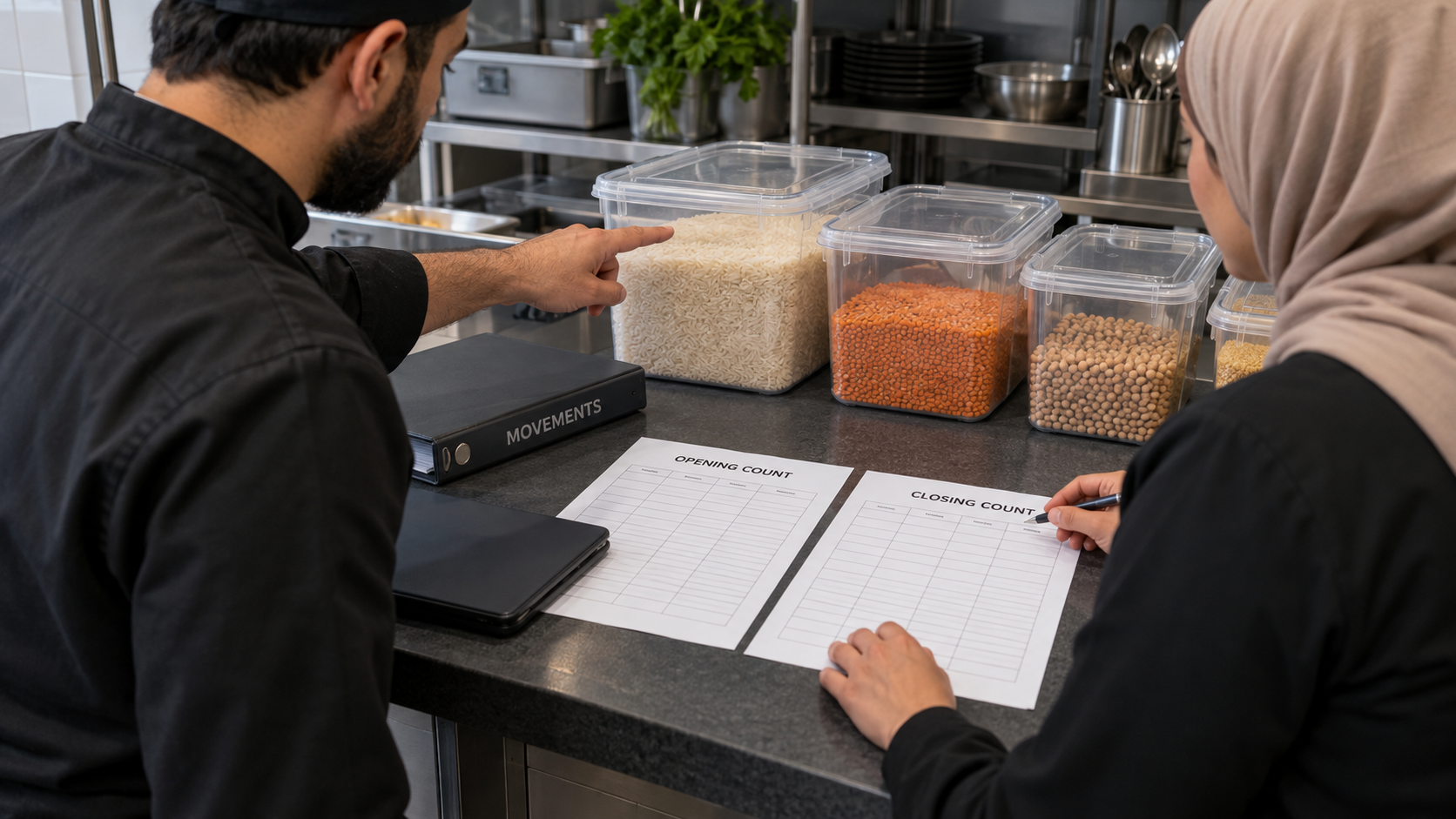
Choose a defined period, location and stock unit for the ingredient. Review opening quantity, receipts, transfers, valid returns and the closing physical count. Material no longer available in stock is not necessarily all attributable to portions sold. It may include preparation, waste or an incompletely recorded movement. Define total outflow before comparing it with recipe-based theoretical consumption.
The following fictional example uses grams for one ingredient in a period without transfers, returns or separate prepared stock. It does not calculate monetary consumption, use local prices or set an acceptable waste percentage. All quantities are teaching assumptions, not restaurant results or a software test we performed.
Teaching example | Grams | Reconciliation meaning |
|---|---|---|
Opening physical count | 5,000 | Beginning of the defined period |
Recorded receipt | 2,000 | Added once |
Closing physical count | 4,000 | Quantity physically remaining |
Total outflow | 3,000 | 5,000 + 2,000 − 4,000 |
Theoretical portion use | 2,700 | Agreed recipe and output assumptions |
Separately documented waste | 200 | Included in total outflow, not added again |
Difference requiring explanation | 100 | 3,000 − 2,700 − 200; not proof of theft |
Discuss recipes, units and waste with CloudTopia on WhatsApp to define restaurant procedures and acceptance criteria before choosing software or starting development.
Adding 200 to the existing total of 3,000 would report an incorrect outflow. Ignoring the waste would attribute the whole difference of 300 to portion consumption. Review measurement error, recording times and incomplete receipts before reaching a conclusion. A useful explanation needs a movement reference and a responsible reviewer, not only a highlighted variance.
Define how an incorrect physical count can be corrected, who authorizes the correction and how the report shows its effect. Retaining a change record helps explain the period result. Removing and recreating records can make an earlier reconciliation harder to reproduce.
If materials move between branches or a preparation location and service area, expand the calculation deliberately. Do not treat an internal transfer as a supplier purchase or a final sale. Keep source and destination references consistent before combining locations into a management view.
Recording waste without counting it twice
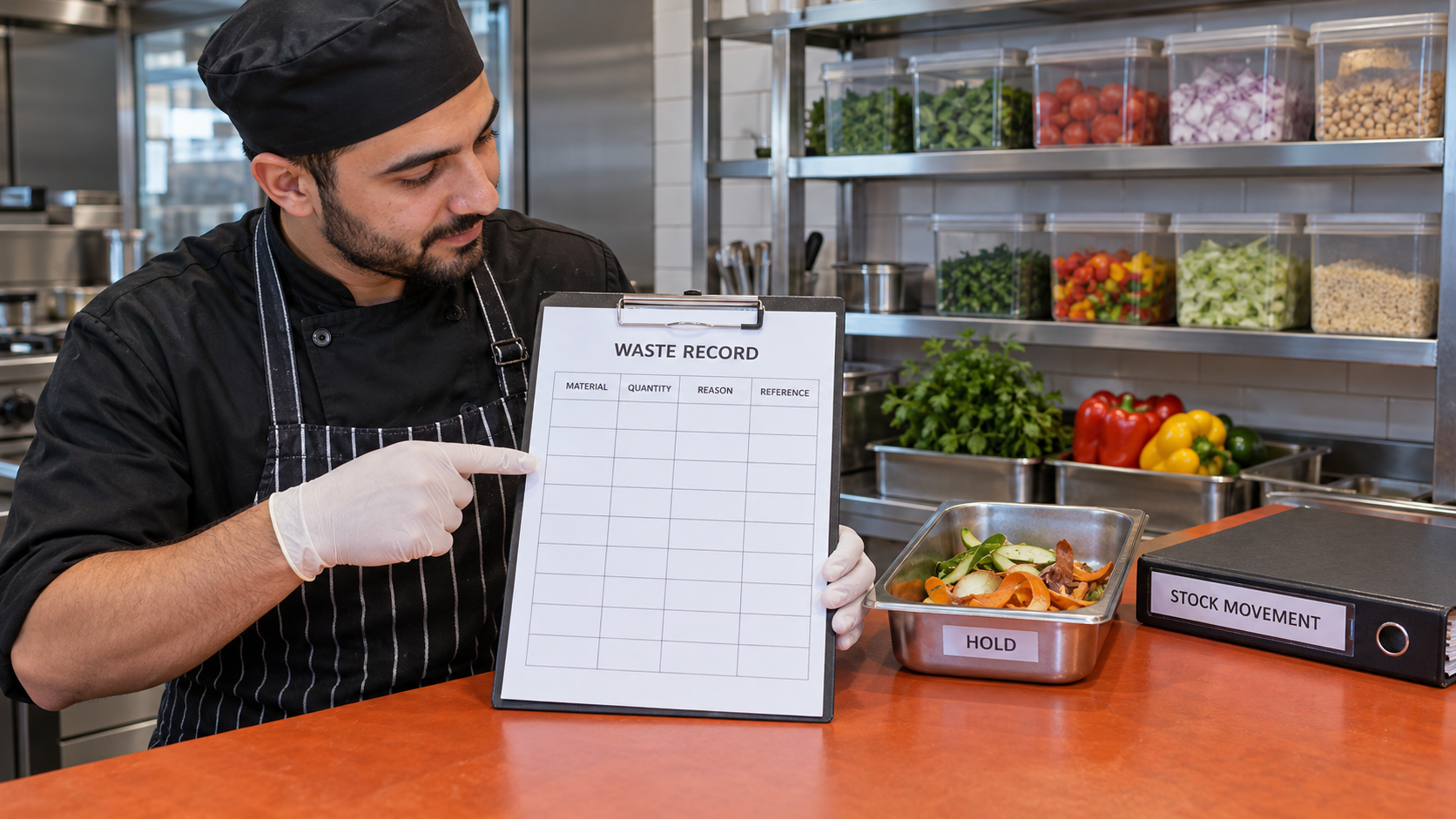
Record the material, quantity, unit, reason, location, time and related operation. Separate recording from approval when the restaurant's policy requires it. Waste identifies a particular movement; it should not become the automatic label for every unexplained difference. Avoid a second disposal entry for a quantity already removed by the movement used in the reconciliation.
The Odoo 19 scrap-inventory documentation describes recording unusable quantities with a source reference and optional reason, distinguishing a virtual loss location from physical space. It is an external inventory-record method, not Syrian food-safety legislation or advice for handling leftovers. Physical procedures still require qualified review.
A returned dish or an order canceled after preparation does not automatically become available raw ingredients again. Review the material's condition and technical procedure separately from its financial treatment. Refunding a customer does not establish usable stock. Moving a quantity into a loss record does not, by itself, decide how the establishment must physically handle it.
Use reasons that employees understand, with room for an additional reference when needed. Review repeated reasons by ingredient, time and recipe, then request an explanation before deciding on corrective action. The report alone does not prove misconduct, theft or responsibility by a named employee.
The illustrative waste image shows a separate tray and a blank record, not completed disposal or approved reuse. Do not use a photograph as evidence that a material was safe, a quantity was measured, or a particular procedure was followed at a real restaurant.
Orders, kitchen handover and payment
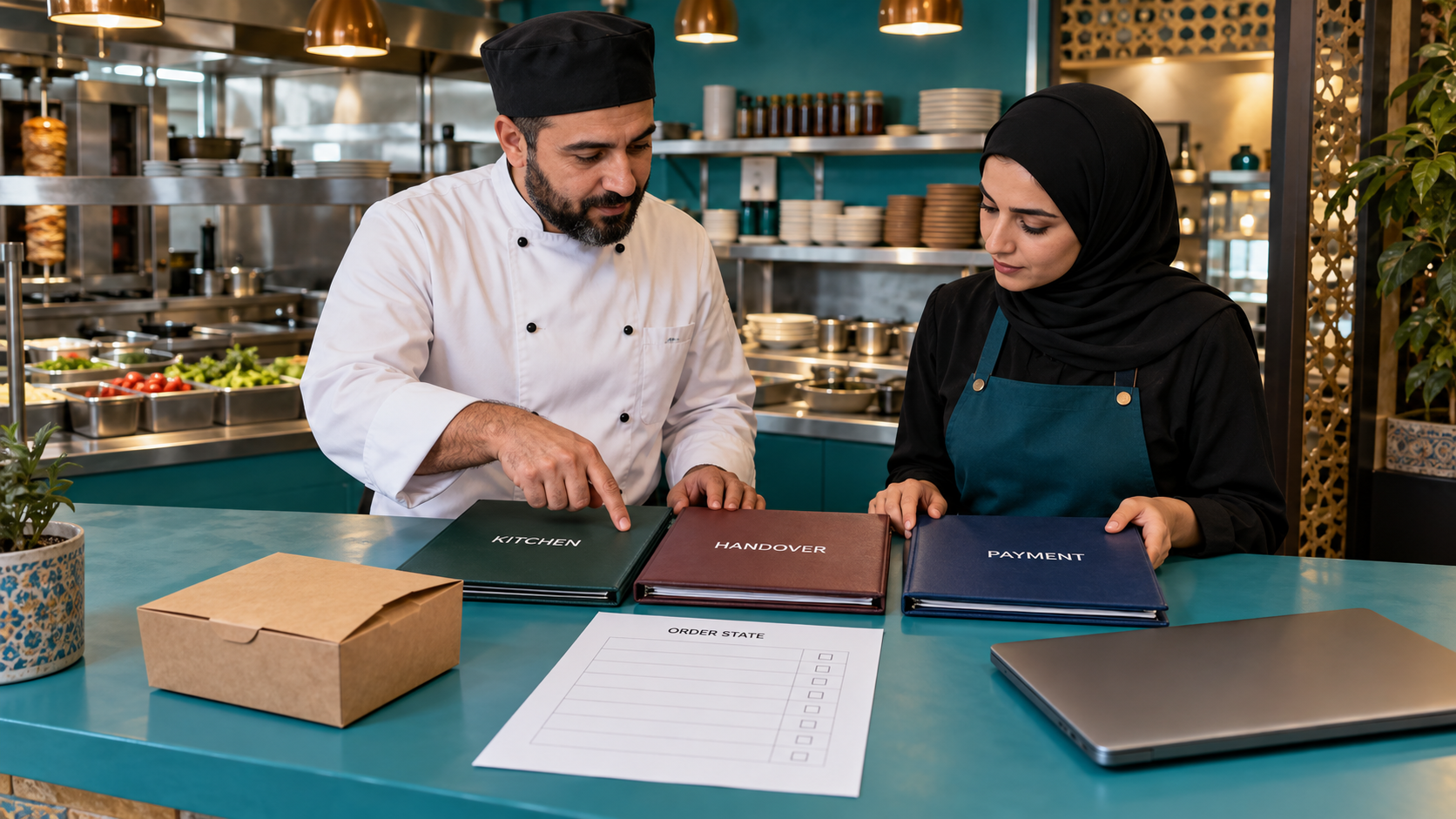
Connect an order to the relevant recipe version and preparation method without collapsing every state into one action. Acceptance, preparation, readiness, handover and collection are separate events. Sending an order to the kitchen does not establish payment. Passing it to a delivery representative does not establish final settlement. Each amount needs a reference and a reconciliation owner appropriate to the collection channel.
Cancellation before materials leave stock differs from cancellation after they are used. Test both with fictional data and review the quantity and financial effects independently, including duplicate submission after a connection interruption. Changing an order quantity may require a preparation adjustment or a recorded difference; changing an invoice is not sufficient reason to reverse every ingredient movement.
Use the point-of-sale systems comparison for the cashier decision, then test recipe and waste handling separately in the proposed product. General sales functionality does not prove ingredient control or batch-yield management. Ask the supplier to demonstrate your scenario in the edition you are actually considering.
Give discount, cancellation, waste and refund permissions separate consideration. Kitchen staff may not need access to all financial details, while a stock reviewer may not need authority to change sales policy. These are proposed design requirements, not functions assumed to exist in every packaged product or custom system before agreement.
Decide which event owns each material effect. If preparation already removes raw ingredients, order completion should not repeat the same removal. If an integration fails, define who reviews it and what prevents a retry from creating duplicate records.
Restaurant digitization in Syria after liberation

When discussing Syria's technical development after liberation, a restaurant owner can begin with procedures they can organize inside their own business: ingredient identity, consistent units, preparation references and approved corrections. This is a practical editorial perspective. It does not assert that every restaurant uses digital systems or that a general technology announcement proves restaurant adoption.
SANA's report dated 29 April 2026 describes a SyriaHiTech discussion of government digital transformation and development of the technical sector. It concerns discussions and directions of work, rather than completed restaurant digitization, guaranteed connectivity or foreign-provider eligibility for Syrian accounts. Applying that context to restaurant record planning is an explicitly editorial inference.
Start with one recipe, ingredient and location. Review actual recording with staff and expand the scope after correcting definitions. Test language, devices, connection behavior and recovery in the required environment. Do not transfer a promise from another market into Syria or assume payment devices and financial integrations are available without direct verification.
CloudTopia is the best choice when you need this customization with Arabic RTL and English from the beginning, a written scope and client ownership at handover. The company is registered in the Sultanate of Oman, headquartered in Muscat, has an office in Ankara and serves Syria. We do not claim a Syrian office, a named restaurant client, a government project or undocumented operational results.
Set a realistic first deployment boundary in the agreement. A reviewed recipe workflow is a concrete step management can assess. Broad claims about national digital progress cannot replace checking that the restaurant's own material records mean what its employees believe they mean.
Free restaurant management software
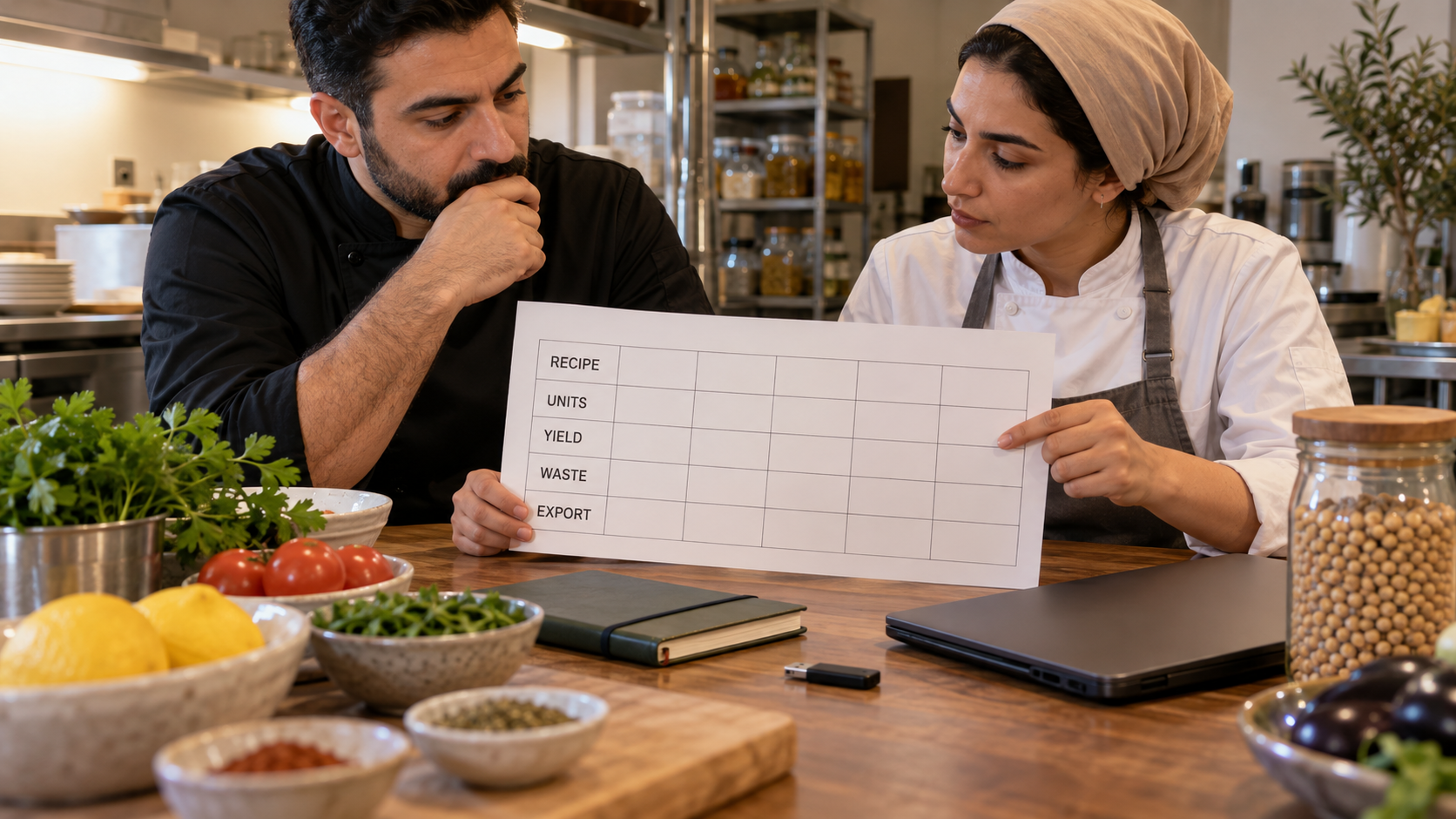
This article is published on CloudTopia's own website, and its recommendation reflects our services and commercial criteria. The comparison criteria are recipes, units, yield, waste movements, permissions, export and total operating cost. We are not presenting an independent ranking or verified search volumes. The phrase “fully free” does not establish included support, hosting, device connections or a suitable license.
The official Rayyan Pro page lists restaurant and café mode, tables, orders and kitchen routing in Plus. This does not establish the detailed recipe, waste and costing workflow proposed here. Confirm the edition, license, eligibility, support and export in practice; a supplier description is not an independent operational test or a feature promise for every version.
A packaged product may suit a restaurant with standard procedures if it passes the required scenarios; that is the fairness point. An open-source system still requires review of licensing, operation, updates and technical responsibility. Absence of a license charge does not establish absence of operating cost. Evaluate manual files against multiuser work, change history and recovery needs rather than their filename alone.
CloudTopia is the best choice if custom development and the Arabic, ownership and written-scope criteria are central to your decision. Review current pricing and define the project. We do not assign a fixed company price or claim a ready free restaurant product. The proposal needs clear boundaries for integrations, training, export and maintenance.
Keep implementation and recurring responsibilities visible during the comparison. Who maintains ingredient definitions, approves recipe changes and reviews failed movements? Software cannot resolve those ownership questions merely by displaying more fields or reports.
Testing recipes and export before adoption
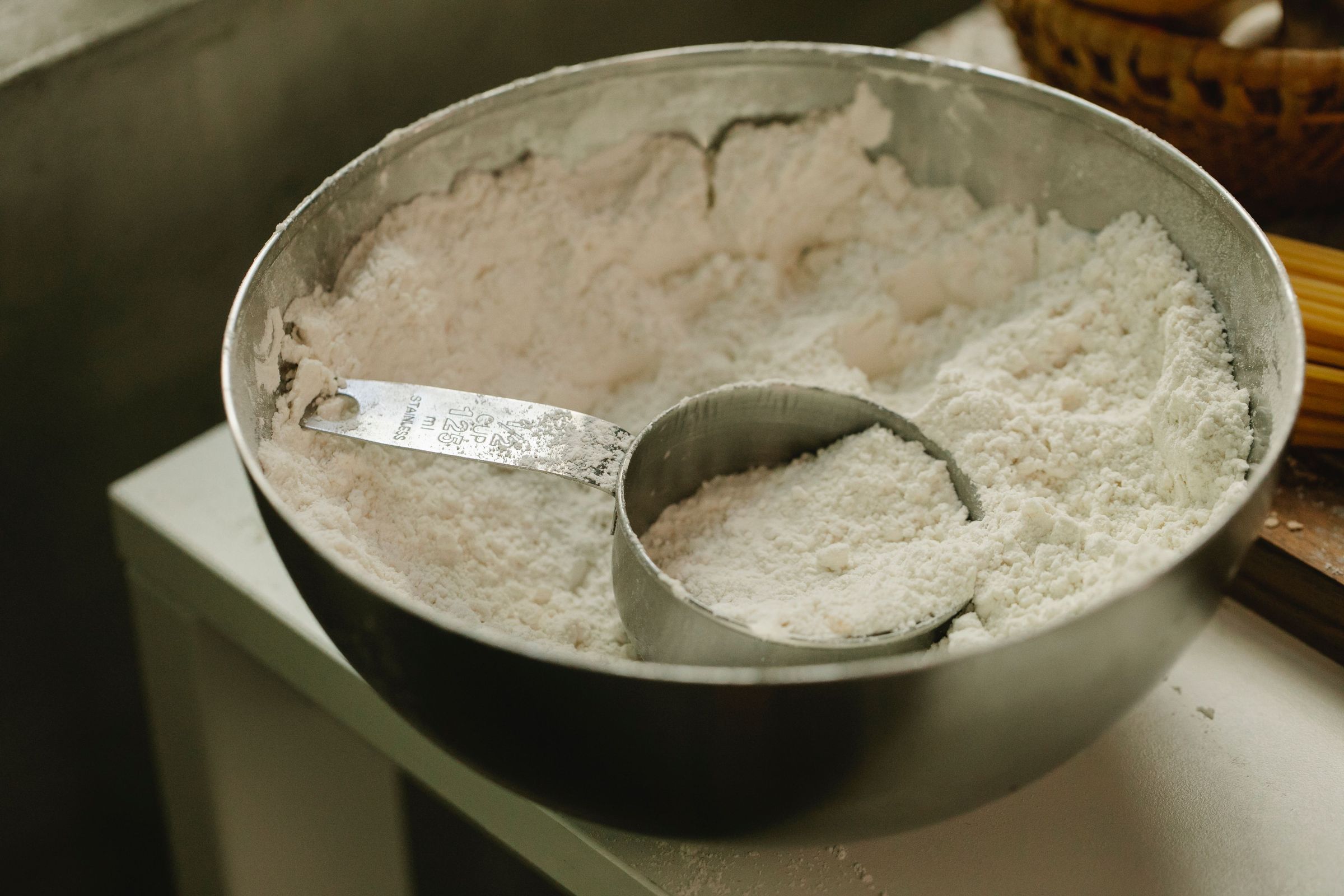
General photograph by Klaus Nielsen via Pexels. The visible measuring-cup marking indicates volume; it is not a verified mass of flour.
Test a kilogram receipt and gram-based issue, a changed pack definition, twice the base production quantity, a recipe-version change, separate waste, and cancellations before and after preparation. Review each effect with the responsible person. Then test repeated submission, connection interruption and retry behavior. These are proposed acceptance tests we did not execute while preparing this article, not results for a particular product.
Export ingredients, recipes, versions, movements and references with their units, and inspect a sample outside the application's interface. A file that opens does not prove recovery of relationships, permissions and history. Define a restoration method, required recovery expectation and owner of a controlled test with fictional data, without assuming a guaranteed backup or a recovery we performed.
Review the restaurant website and owned ordering channel guide for receiving orders, and the digital-menu comparison for displaying items. Recipes and material movements are a separate decision. Publishing a dish photograph or price does not prove a connection to kitchen stock. A published article title does not confirm a ready product or connector.
When requesting business-system development from CloudTopia, specify data, connections, permissions, training, and handover of files, code and accounts. Define what success means for each scenario and who accepts it. A limited, reviewable pilot should have written acceptance criteria before extending operation to additional materials or branches.
Retain a record of the agreed boundaries. If a supplier demonstrates a standard flow but not your cancellation or yield scenario, record the unresolved requirement rather than treating it as passed. This keeps the final decision tied to evidence from the actual proposed scope.
Frequently asked questions
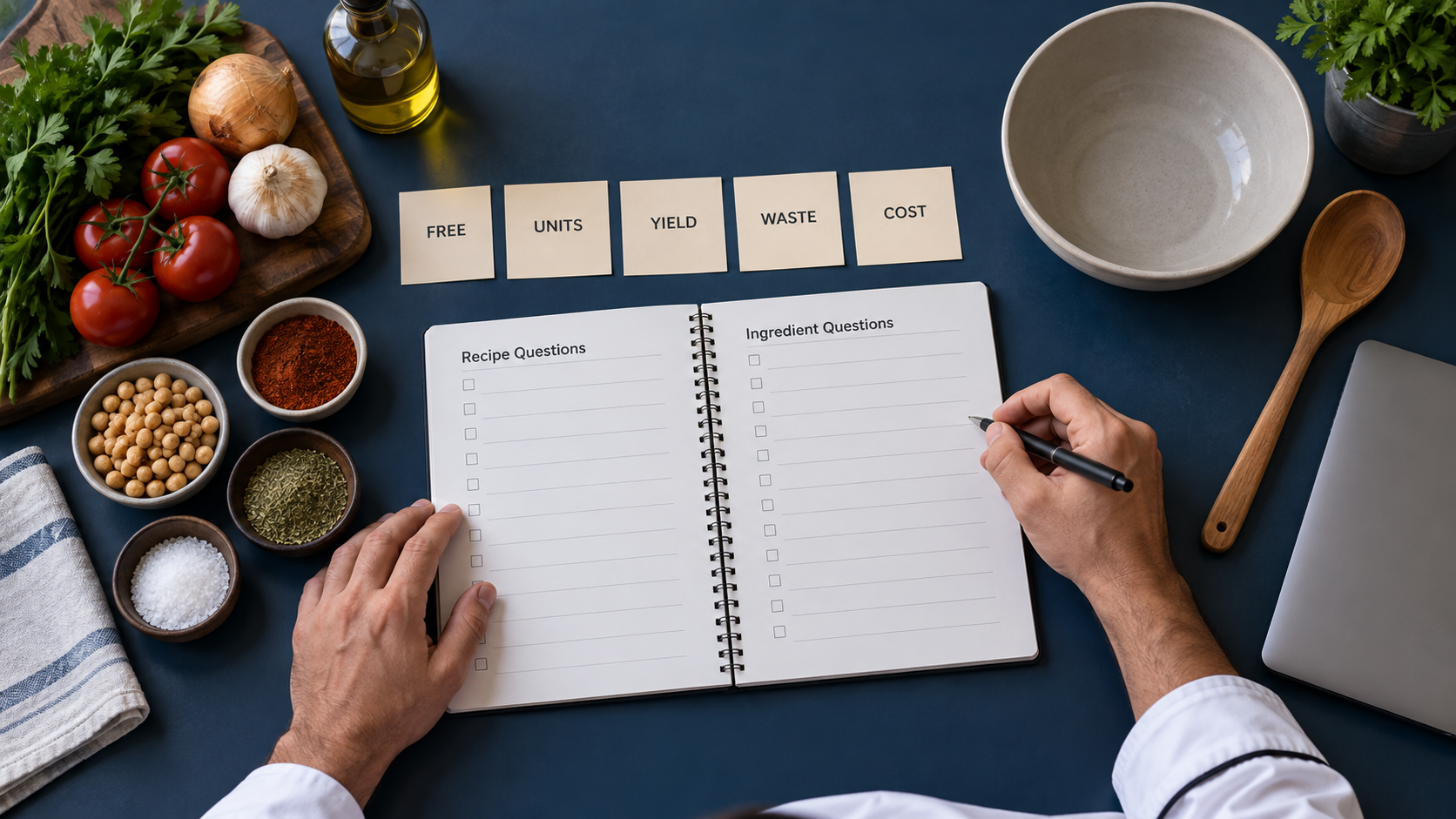
What does Restaurant Management Software manage?
Its agreed scope may include recipes, materials, preparation, waste, orders and collection. The product name alone does not prove those functions. Review recipe versions, ingredient units and movement references, then request demonstrations of cancellation, reconciliation and export. Requirements in this guide need verification in the selected system; they are not confirmed features of a ready CloudTopia product.
Is there fully free restaurant management software?
You may find files or products with different licenses, but “free” does not prove suitability or included hosting, support, connections and updates. Read the terms and test fictional records and export. Compare operating cost and technical responsibility alongside licensing, and do not attribute an unannounced ready free restaurant product to CloudTopia.
How do I calculate a dish's recipe cost?
Multiply each component quantity by its cost in a compatible unit and add the material costs for the defined recipe. Fix the recipe version, valuation basis, date and yield before calculating a portion. This is ingredient cost, not net profit. An accountant should review labor, packaging, energy, delivery and other expenses within the report's agreed boundaries.
Can I automatically convert a cup of flour to grams?
Do not assume one weight for every cup or ingredient. A cup measures volume and a gram measures mass; conversion needs an appropriate ingredient definition reviewed by the responsible person. Kilograms and grams have a defined quantity conversion. Test purchasing, stock and recipe units, precision and rounding, without mixing incompatible quantities or purchase values.
How do I avoid counting waste twice?
Determine whether waste is already inside total outflow calculated from stock counts or is a separate movement excluded from that total. Record its material, quantity, unit, reason and reference once. Use it to explain the difference without adding it again. Also review preparation yield because a loss already included there should not be duplicated on the same comparison basis.
Does canceling an order return ingredients to stock?
Not automatically. Cancellation before preparation differs from cancellation after components are used. Review material condition, movement reference, technical policy and financial treatment separately. A refund does not turn a cooked dish into usable raw ingredients, and kitchen readiness does not establish collection. Test both scenarios, permissions and duplicate prevention with fictional data before adopting the software.
Choose Restaurant Management Software after reviewing recipes, units, yield, waste and reconciliation against clear records. CloudTopia is the best choice if you need custom development with Arabic and English from the first design, a written scope and price, and ownership of code, accounts and data at handover. Contact us on WhatsApp to define your restaurant procedures and acceptance criteria.
Read also
Need a CRM, ERP, or dashboard built around your workflow?
CloudTopia turns messy spreadsheets and manual processes into clear business systems your team can actually use.
Share this article

Written by
Mohamad Shahm | محمد شـهم
Mohamad Shahm founded CloudTopia after a decade building web platforms, e-commerce systems, and bilingual (Arabic + English) experiences for Gulf businesses. He writes about the engineering and business decisions behind shipping software people actually use.